
Best Smart Garage Setup 2026: Complete Buyer's Guide
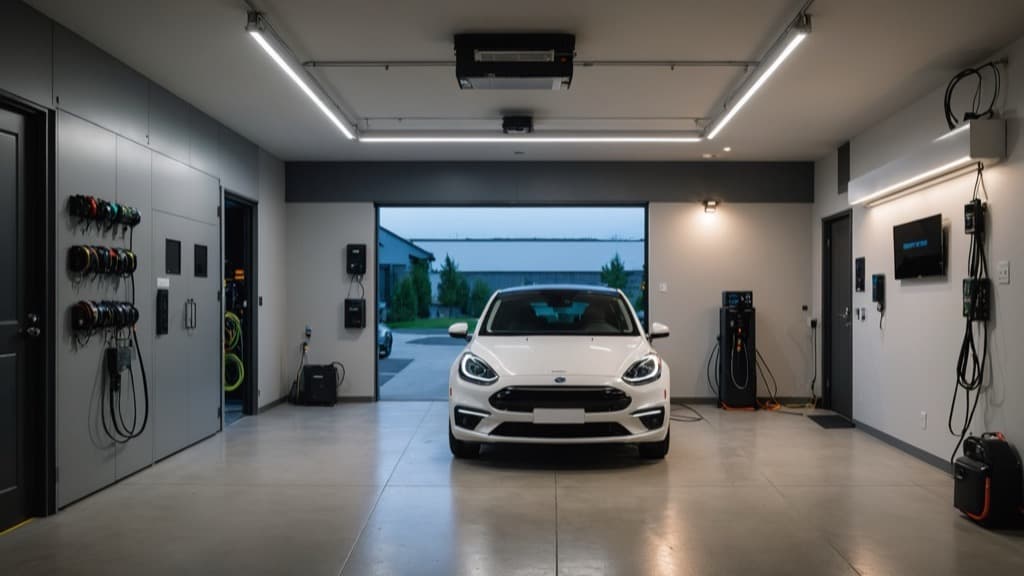
You buy a smart garage one gadget at a time — an opener now, a camera later, a Level 2 charger next year — and end up with four apps that ignore each other. We scored a whole-garage basket on the SHE Garage Setup Score so the parts actually work together.
This article contains affiliate links. We may earn a commission at no extra cost to you. Prices shown are list prices that change frequently — check the current price on Amazon before buying. Learn more
The Short Answer
The Meross MSG200 ($45–$55) is the interoperable control anchor. Complement it with the Kasa EP40 plug ($17–$22), the Schlage Encode Plus deadbolt ($319), a Wyze camera, and Govee sensors for an approximately $450 configuration. Provisioning an electric vehicle? The ChargePoint HomeFlex ($549) is the capstone.
Featured in this Guide
Meross
MSG200
- •HomeKit + Alexa + Google + SmartThings
- •hub-free
- •no subscription
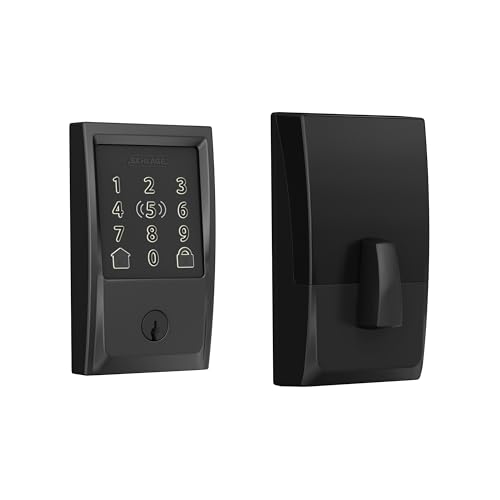
Schlage
Encode Plus
- •Only native Apple Home Key deadbolt
- •built-in Wi-Fi
- •Grade 1 security
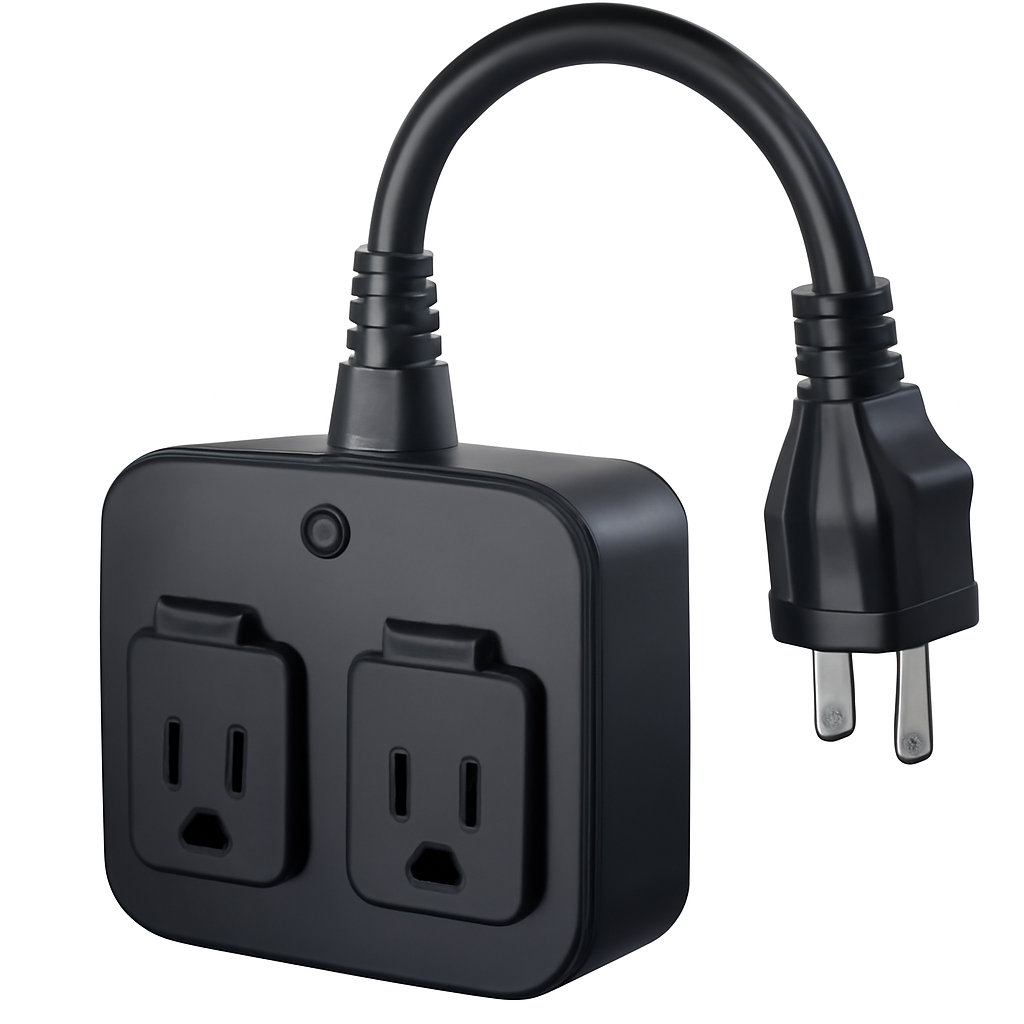
TP-Link
Kasa Smart Outdoor Plug EP40
- •Two IP64 outlets
- •per-outlet energy monitoring
- •no hub
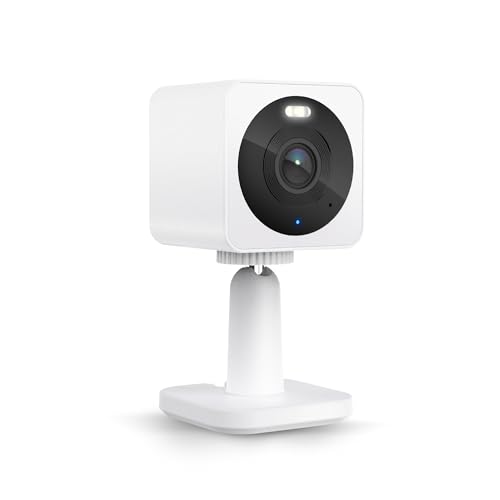
Wyze
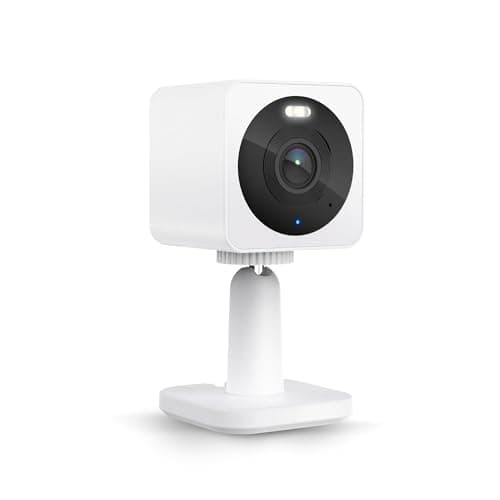
Cam OG
- •1080p with a physical shutter and local microSD
- •around $27.
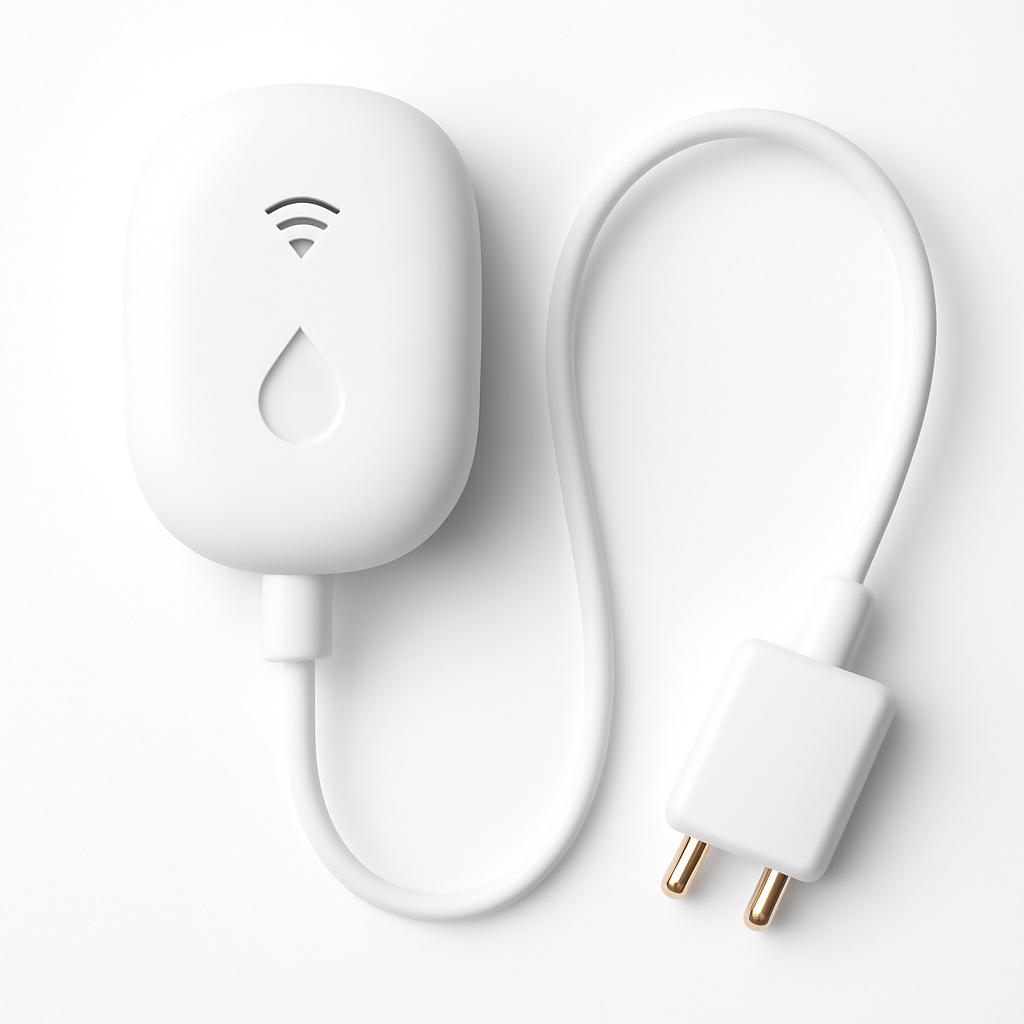
Govee
WiFi Water Sensor
- •Four alert channels
- •no hub
- •multi-pack under $20.
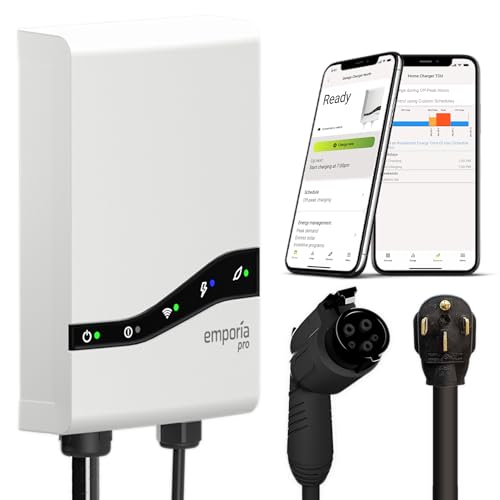
Emporia
Pro EV Charger
- •48A with bundled load management to dodge a panel upgrade
- •$599.
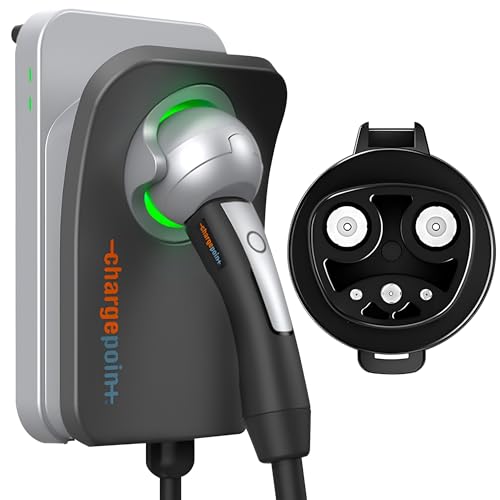
ChargePoint
HomeFlex Level 2
- •Adjustable 16-50A output
- •mature app
- •public-network billing
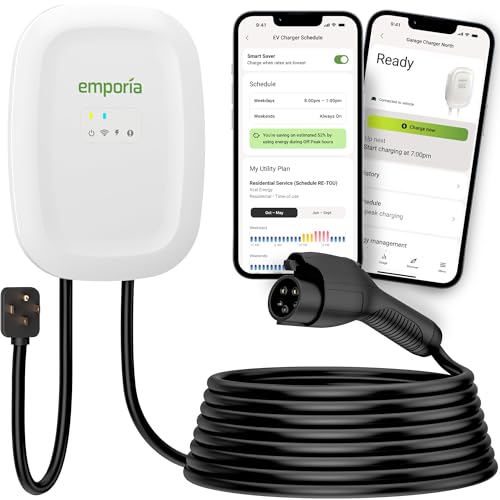
Emporia
Level 2 EV Charger
- •Plug-in 48A with whole-home energy data if you have the outlet
- •$429.
Head-to-Head: Interoperability, Install, Coverage
Access Control
Chart
 Smarthomeexplorer.com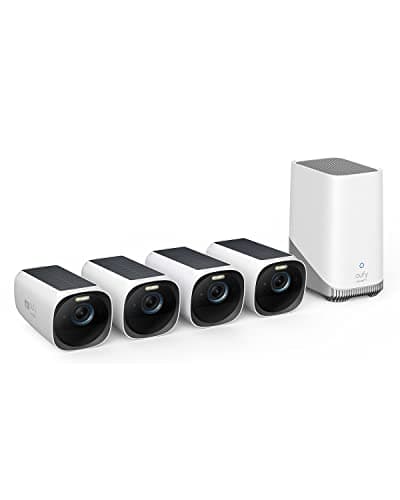
Eufy eufyCam S330 4-Cam Kit (with HomeBase S380)
$499-$749Must BuyView on Amazon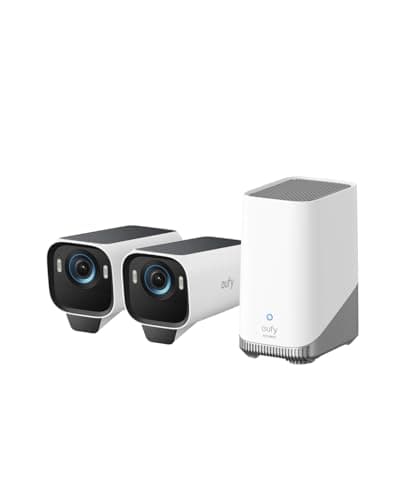
eufy Security eufyCam S3 Pro 2-Cam Kit
$429.99Must BuyView on Amazon
Yale Assure Lock 2 Plus
$198Must BuyView on Amazon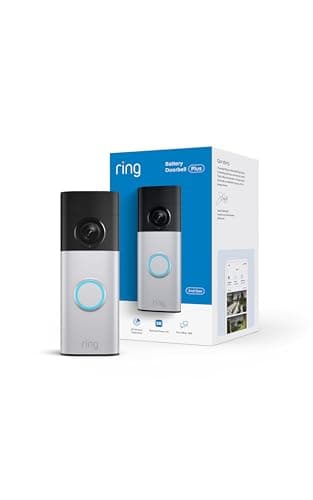
Ring Battery Doorbell Plus
$179.99RecommendedView on Amazon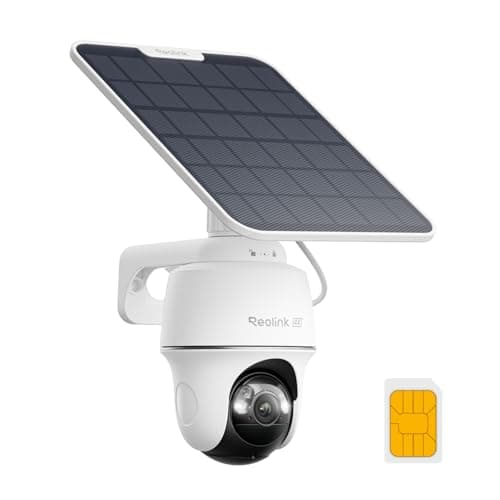
Reolink Go PT Ultra + SP2 Solar Panel
$199Must BuyView on Amazon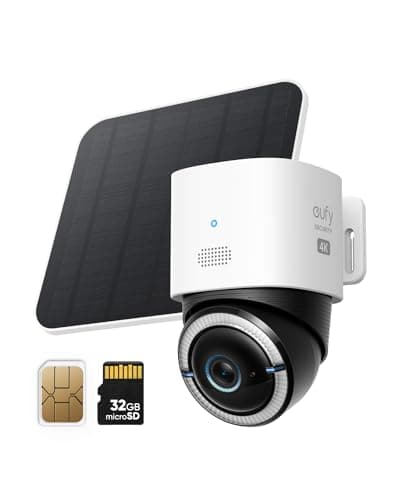
Eufy 4G LTE Cam S330
$199Must BuyView on Amazon
A smart garage fails the way a band fails: every part is competent, but nothing is listening to the others. The opener answers one app, the camera another, and a new Level 2 charger draws 48A through a 60A circuit the water heater already leans on — with no coordination between them. So this guide scores a whole-garage basket instead of a single device. The SHE Garage Setup Score is a weighted composite. It normalizes each factor against price: cross-ecosystem interoperability, subscription freedom, install simplicity, and whole-garage coverage. In practice that means a $50 controller joining every platform outranks a pricier one that strands you in its own app. Wirecutter's lock pick and CNN Underscored's opener coverage anchor the roundup, and the 11.5 kW EV layer folds in because the car becomes the garage's biggest load.
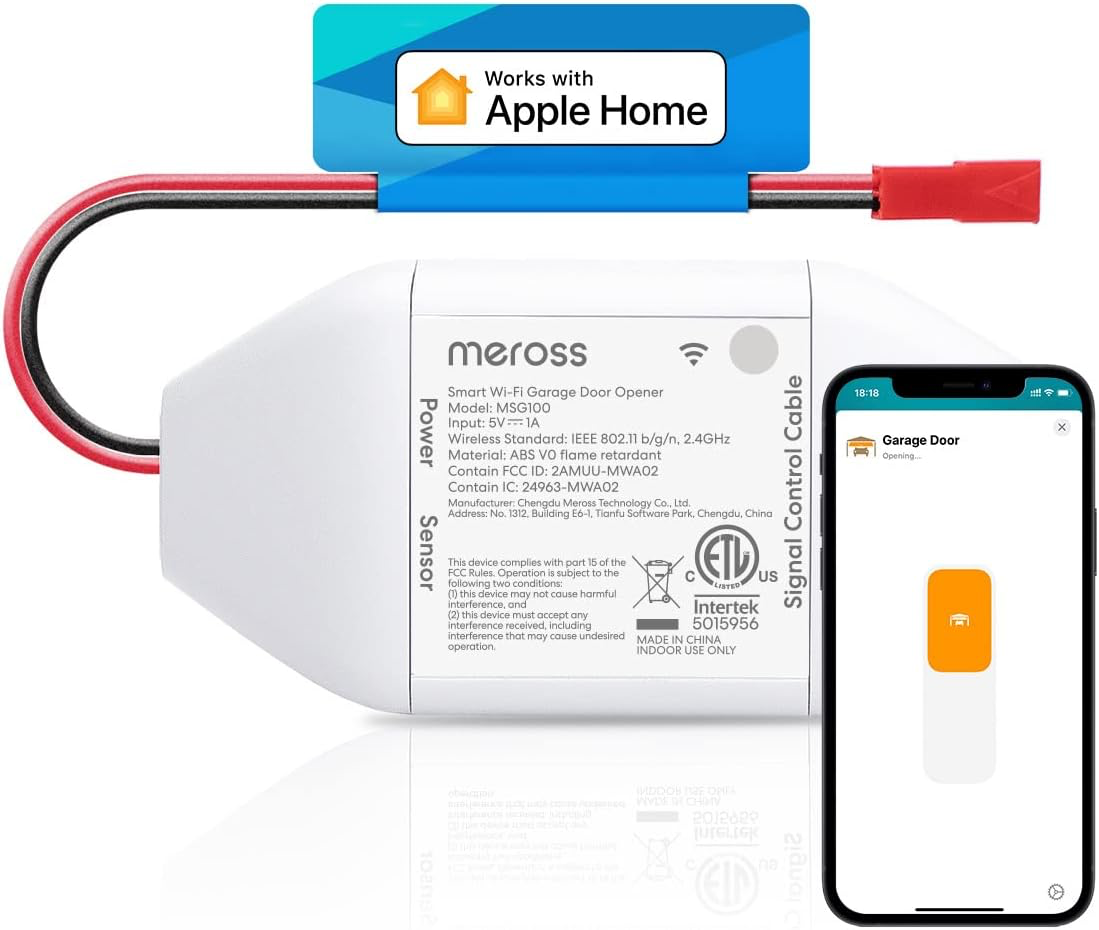
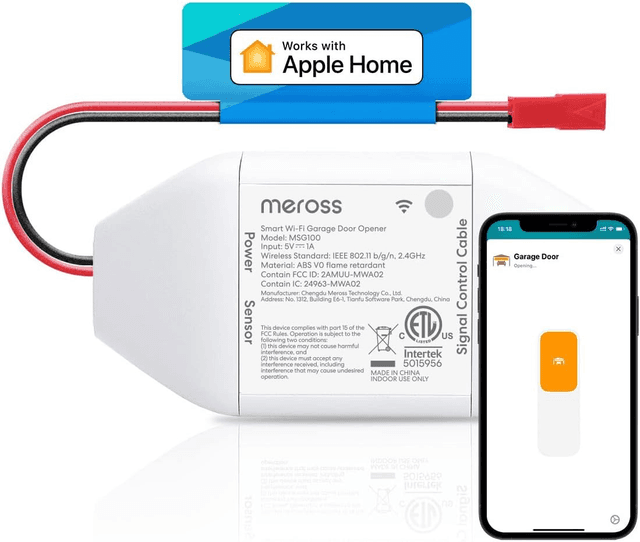
Best control anchor: Meross MSG200
Meross MSG200
(Current price, subject to change)
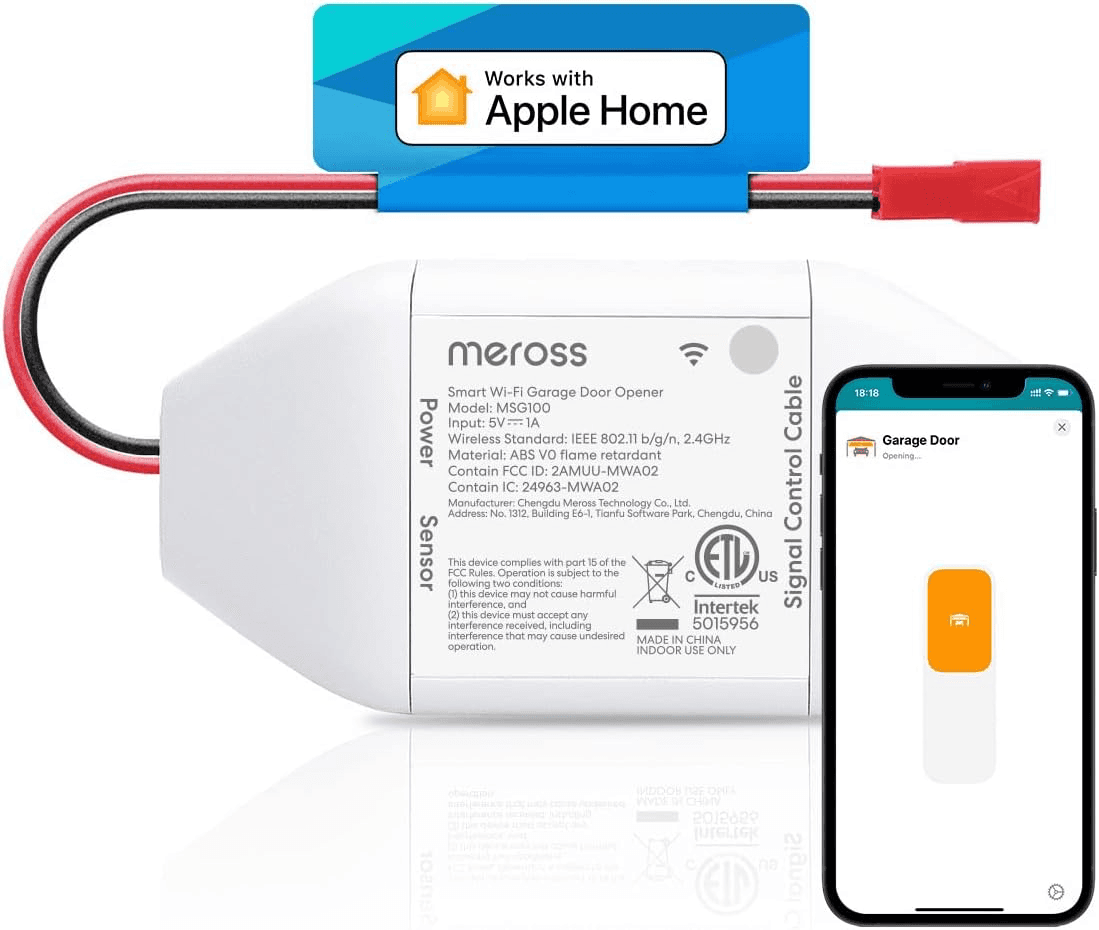
The MSG200 is the right control anchor for a household that mixes ecosystems and wants no subscription; skip it if you specifically need hands-free auto-open. It carries an 8.5 consensus score and joins HomeKit, Alexa, Google, and SmartThings from one device, which is the interoperability factor the whole basket depends on. CNN Underscored describes it as a reliable, responsive way to control the biggest entry point to your home, and iMore ranks it among the best HomeKit openers for fast response and straightforward setup. Compared to a locked opener app, the payoff compounds: every automation you build later keeps working because the controller speaks to all four platforms at once. The hardwired magnetic sensor is the reliability detail, avoiding the false triggers wireless tilt sensors produce when a door flexes. Wiring to the opener terminals takes about 20 mins versus the 10 mins of a wireless hub, and one unit drives 2 doors, which delivers roughly $25 per door for a two-car garage.
What We Love
- CNN Underscored calls it a reliable, responsive way to control the biggest entry point to your home, and iMore ranks it among the best HomeKit openers.
- HomeKit, Alexa, Google, and SmartThings all run at once with no subscription and no hub.
- The hardwired magnetic sensor sidesteps the false triggers that wireless tilt sensors hit when a door flexes.
- One controller drives 2 doors, so a two-car garage is covered for around $50.
What Could Be Better
- Wiring to the opener terminals is a 20 mins job, not the 10 mins of a wireless hub.
- No auto-open geofencing.
- A utilitarian plastic box with exposed leads.
The Verdict
If you're wiring the garage from scratch and want one controller every platform can see, the Meross MSG200 fits the brief without compromise. It tops the SHE Garage Setup Score because it joins HomeKit, Alexa, Google, and SmartThings at once with no monthly fee, and CNN Underscored and iMore both back it — a sensible anchor to build the rest of the garage around.
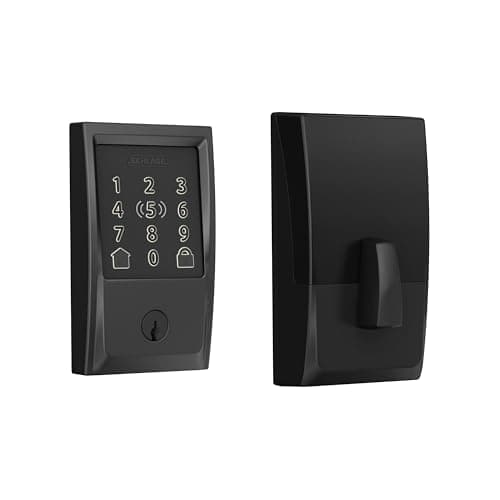
Best entry-door lock: Schlage Encode Plus
Schlage Encode Plus
(Current price, subject to change)
The Encode Plus is the right call for an Apple household hardening the door between garage and house; skip it if you are not on HomeKit or you want Z-Wave. It earns a 9.0 consensus score, the highest in this roundup, and it is the only deadbolt with native Apple Home Key, so an iPhone or Apple Watch tap unlocks it. Wirecutter calls it the best choice for Home Key users, and PCMag pairs top-tier security with built-in Wi-Fi and no hub. On the SHE Garage Setup Score it lands mid-pack because it secures one door rather than the whole system, so whole-garage coverage caps the composite. But that door is the one most owners forget: an open garage plus an unlocked interior door is the classic break-in path. Compared to a retrofit lock, the trade is honest — it is Wi-Fi only, so battery life runs shorter than a Z-Wave deadbolt, and 100 access codes is more than most homes will assign.
What We Love
- Wirecutter names it the only lock with native Apple Home Key, the tap-to-unlock feature iPhone and Apple Watch owners actually use.
- Built-in Wi-Fi means no bridge or hub — it joins the network on its own.
- Grade 1 security, the highest residential rating, plus up to 100 access codes.
- PCMag pairs top-tier security with Home Key convenience and no hub required.
What Could Be Better
- Premium price for a single door.
- Wi-Fi only, with no Z-Wave or Zigbee, and battery drains faster than Z-Wave locks.
The Verdict
If the garage-to-house door is the weak link in your security and you live in Apple Home, the Schlage Encode Plus is a sensible pick for that setup. Wirecutter and PCMag both make it the Home Key default, and built-in Wi-Fi keeps it hub-free — you'll be well-served here even as the premium anchor of the core basket.
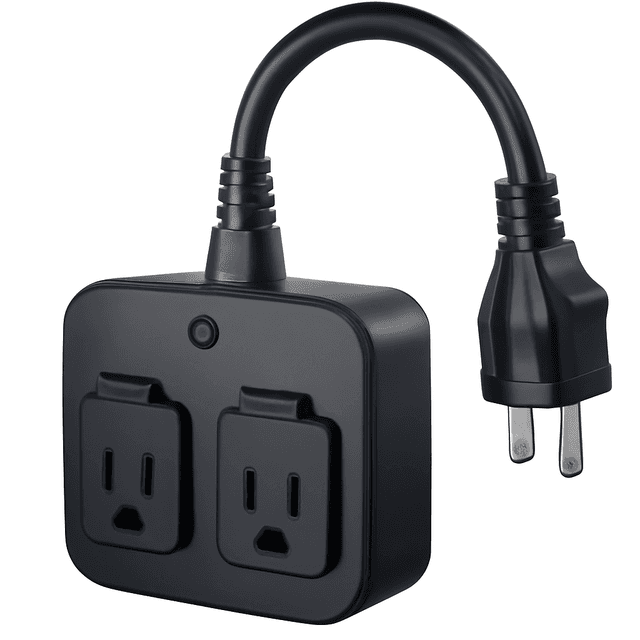
Best power control: Kasa Smart Outdoor Plug EP40
Kasa Smart Outdoor Plug EP40
(Current price, subject to change)
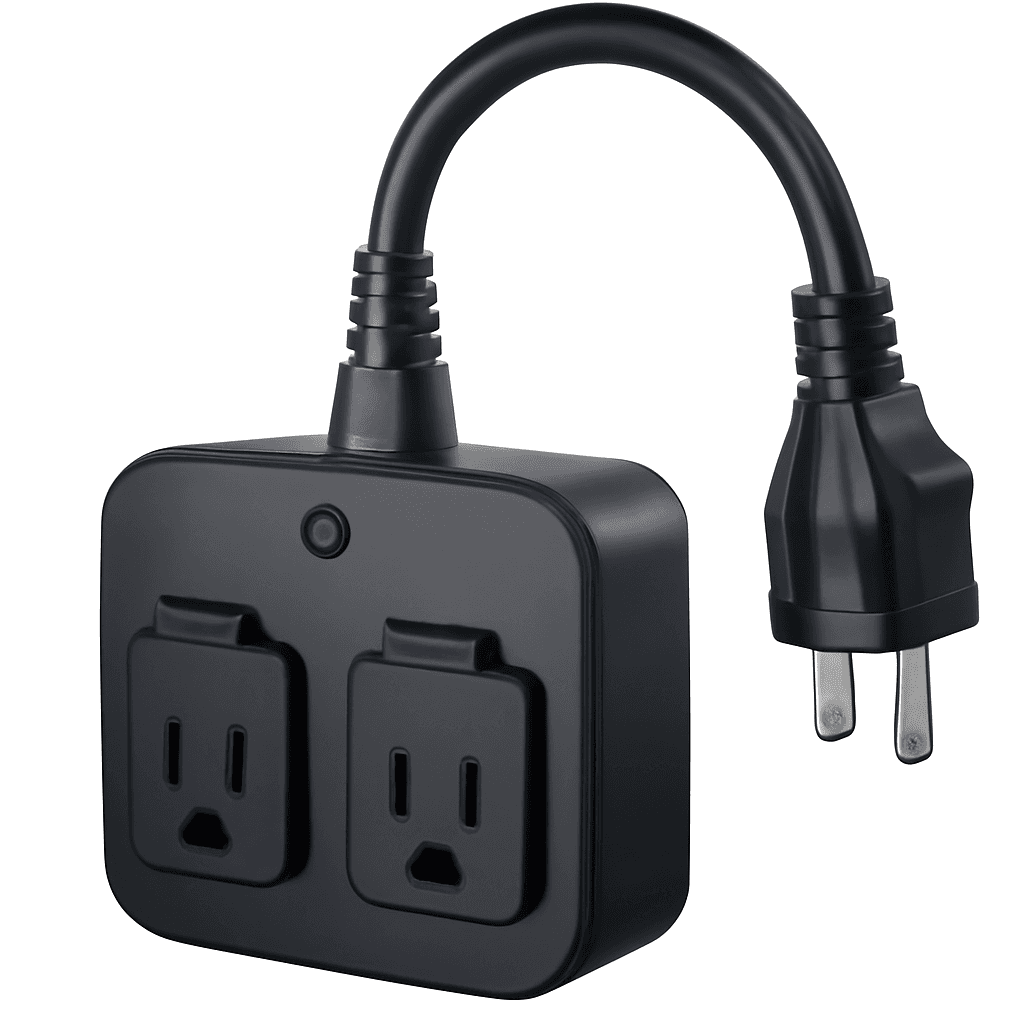
The EP40 is the power backbone for a garage full of seasonal loads; skip it only if HomeKit is non-negotiable. Wirecutter names it the most reliable outdoor smart plug available, and PCMag says its per-outlet energy monitoring rivals dedicated meters at three times the price. Two independent sockets are the feature that earns its place: a dehumidifier can run on a humidity schedule while a battery tender holds a classic car's charge, each tracked separately. The IP64 rating matters because a garage is not climate-controlled, and this plug is built for the swings a living-room outlet never sees. Compared to a single-socket plug, the dual-outlet design produces more automation per dollar, which lifts the coverage factor. At around $20 with no subscription, it is the cheapest way to make the garage's power intelligent. More than 60,000 reviews and a 4.7-star average signal it is a known quantity, not a gamble on unproven hardware.
What We Love
- Wirecutter calls it the most reliable outdoor smart plug you can buy, and PCMag says its energy monitoring rivals dedicated monitors at three times the price.
- Two independent outlets mean a dehumidifier and a trickle-charger run on separate schedules from one plug.
- IP64 sealing suits an unconditioned garage that swings between freezing and hot.
- Over 60,000 Amazon reviews at 4.7 stars, with no subscription.
What Could Be Better
- No Apple HomeKit.
- A Kasa account is required, with no local-only mode.
The Verdict
If your garage runs seasonal gear — a dehumidifier in summer, a battery tender in winter, a freezer year-round — the Kasa Smart Outdoor Plug EP40 checks the boxes that matter for that setup. Wirecutter's most-reliable pick gives you two scheduled outlets and real energy data for around $20, and there's no need to overthink it as the power layer of the basket.
Best budget eyes: Wyze Cam OG
Wyze Cam OG
(Current price, subject to change)
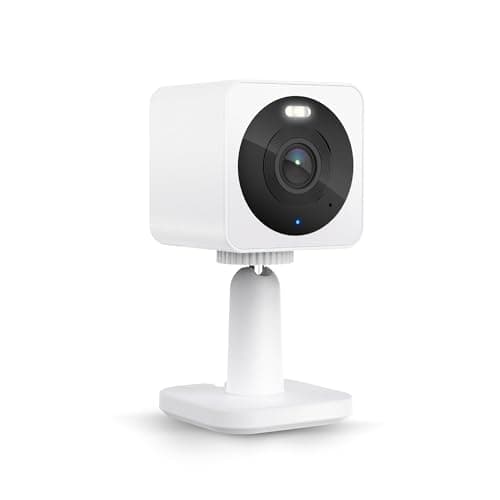
The Cam OG is the right pick for a buyer who wants awareness on a shoestring; skip it if you need a ruggedized outdoor unit or you distrust Wyze's cloud history. Tom's Guide calls it the privacy-first budget pick because the physical shutter is a mechanical block rather than a software promise. At 1080p with microSD storage it records locally for no monthly fee, and setup runs under 10 mins. The honest caveat is the brand: Wyze has had documented privacy lapses, so the local-storage, shutter-closed configuration is the sensible way to operate it. Compared to a $200 outdoor camera, the value proposition is obvious — this remains the most economical dependable method of confirming whether the door is closed and the bay is unoccupied. It earns a 7.5 consensus score, the lowest in the core group, which fits its deliberately narrow coverage tier. Its responsibility here is limited, and it accomplishes that responsibility for roughly the price of a tank of gasoline.
What We Love
- Tom's Guide calls it the privacy-first budget pick — a physical shutter is a mechanical guarantee, not a software toggle.
- 1080p video with microSD local storage and setup in under 10 mins.
- Around $27 makes it the cheapest way to actually see the garage.
What Could Be Better
- Cloud features need a subscription; local-only recording runs free.
- Wyze's past cloud-privacy incidents are worth weighing before you route anything sensitive through the app.
The Verdict
If you just want eyes on the garage without a camera budget, the Wyze Cam OG is the path of least friction. Tom's Guide flags it as the privacy-first pick thanks to a real shutter, and at around $27 with local microSD recording you'll be well-served here — just weigh Wyze's cloud history before routing anything sensitive through the app.
Best leak & freeze alert: Govee WiFi Water Sensor
Govee WiFi Water Sensor
(Current price, subject to change)
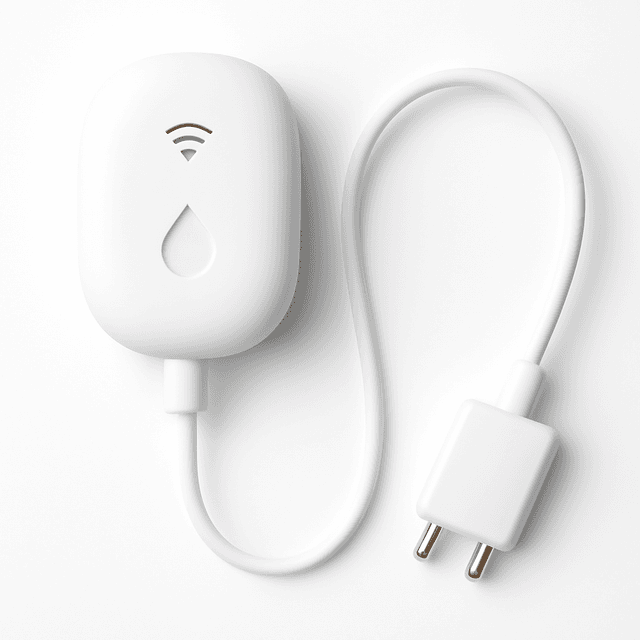
The Govee kit is the right early-warning layer for a garage with a water heater or freeze-prone plumbing; skip it if you want a whole-home shutoff valve or insurance-grade monitoring. PCMag names it the best budget water-leak sensor, and Tom's Guide calls it surprising value at $9 per sensor, and that value is genuine — a two-pack lands under $20, and four independent alert channels let one kit watch several zones at once. Each sensor joins Wi-Fi directly with no hub, which keeps the install to minutes. The honest limit is speed: detection takes 20 to 30 seconds, slower than a premium monitor like Flo, and there is no automatic shutoff or insurance discount. Compared to a $150 leak system, though, the Govee delivers the outcome that matters most in an unattended garage — you learn about a leak or a freeze while it is still a text message, not a flooded slab. For an 8.1-consensus sensor at this price, that is a sensible floor in the awareness tier.
What We Love
- PCMag rates it the best budget water-leak sensor, and Tom's Guide calls its four alert channels surprising value — a two-pack runs under $20.
- Four alert channels cover the water heater, the washer line, and the slab in one kit.
- No hub required; each sensor joins Wi-Fi directly.
What Could Be Better
- Detection takes 20 to 30 seconds, slower than premium monitors.
- No insurance-discount eligibility, and the app trails premium rivals.
The Verdict
If the garage holds a water heater, a washer hookup, or pipes that freeze, the Govee WiFi Water Sensor lines up with what you actually need. PCMag calls it the best budget leak sensor and Tom's Guide calls it surprising value, and a multi-pack under $20 with four alert channels means no need to overthink it as the awareness layer beneath the pricier gear.
Best EV charger for old panels: Emporia Pro EV Charger
Emporia Pro EV Charger
(Current price, subject to change)
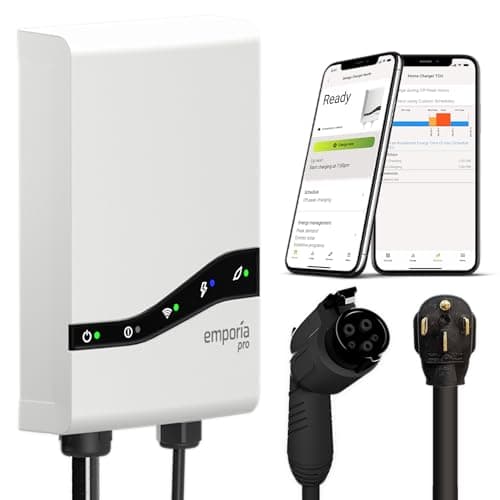
The Pro is the right EV pick for a home with an older or near-full electrical panel; skip it if you have amperage to spare and don't need dynamic load management. MotorTrend named it a 2026 Best Tech pick specifically because the included Vue 3 monitor can throttle the car's draw before it trips the main breaker — the charger buys you panel-upgrade avoidance, which can be a four-figure saving. It puts out 48A and 11.5 kW through a 25 ft cable, in either a J1772 or a NACS connector, and its solar-aware mode routes surplus production to the car before exporting to the grid. Compared to a plain 48A unit, the Pro earns its roughly $599 price on the load-management coefficient alone, which trims the install-simplicity factor but not the value. The honest catch is install: wiring the Vue into the panel is not a DIY job, so budget for an electrician. For a solar or time-of-use household, it yields the headroom that keeps the whole setup within its circuit.
What We Love
- MotorTrend named it a 2026 Best Tech pick because the included Vue monitor throttles charging before it trips the main breaker.
- 48A / 11.5 kW output on a 25 ft cable, in J1772 or NACS.
- Solar-aware charging routes surplus solar to the car before it exports to the grid.
What Could Be Better
- Hardwiring the Vue into the panel is not a DIY job.
- About $170 more than Emporia's Classic charger for the load-management hardware.
The Verdict
If your panel is older and you're worried a 48A charger will trip the main, the Emporia Pro EV Charger fits the brief. MotorTrend's 2026 Best Tech pick ships the Vue monitor that throttles charging before the breaker does, so you'll be well-served here without a costly panel upgrade — the load-managed capstone once the rest of the garage is smart.
Best EV app & network: ChargePoint HomeFlex Level 2
ChargePoint HomeFlex Level 2
(Current price, subject to change)
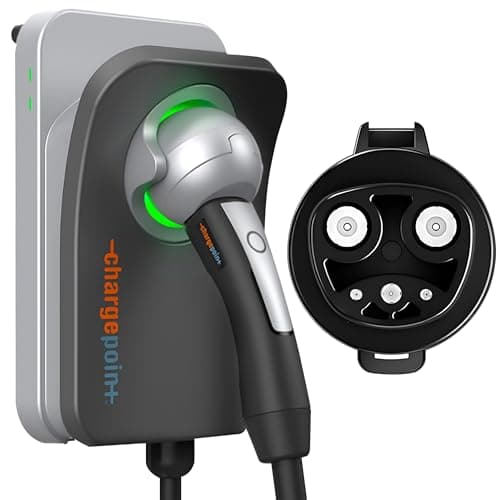
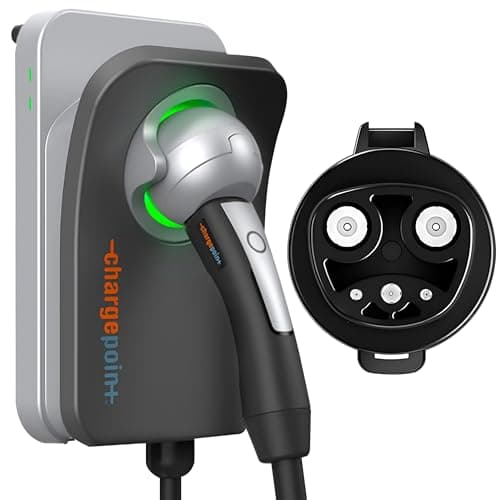
The HomeFlex is the right EV pick for a buyer who values software and network reach; skip it if you only want the lowest-cost box that pushes electrons. Wirecutter calls it the best home charger for most people, and CNET rates its app the most intuitive of any charger it reviewed. Adjustable 16-50A output is the practical strength: you dial the charger to the circuit your panel can spare rather than replacing hardware, and at 50A it delivers about 37 miles of range per hour, a full overnight charge for any current EV. Because the same app runs the public ChargePoint network, home and road sessions share one billing history, which strengthens the interoperability factor. Compared to a fixed-amperage unit, that adjustability future-proofs the install. The honest notes: it is mid-range priced against a 40A Grizzl-E, the 23 ft cable has no extension, and the NEMA 14-50 adapter costs extra. As the app-first way to fold the car into the smart garage, it earns its place.
What We Love
- Wirecutter calls the HomeFlex the best home charger for most people, and CNET praises the most intuitive app of any charger it reviewed.
- Adjustable 16-50A output matches any circuit; 50A delivers about 37 miles of range per hour.
- The same app runs public ChargePoint stations, so home and road charging share one history.
What Could Be Better
- Mid-range price; a 40A Grizzl-E charges for less.
- Hardwired 50A setup needs a pro, the 23 ft cable has no extension, and the NEMA 14-50 adapter is sold separately.
The Verdict
If you want the charger with the most mature app and a foot in the public network, the ChargePoint HomeFlex Level 2 is a sensible pick for that setup. Wirecutter makes it the default for most EV owners and CNET the app to beat, and adjustable 16-50A output fits whatever circuit your garage can spare — you can stop the search here for the app-first capstone.
Best value EV charger: Emporia Level 2 EV Charger
Emporia Level 2 EV Charger
(Current price, subject to change)
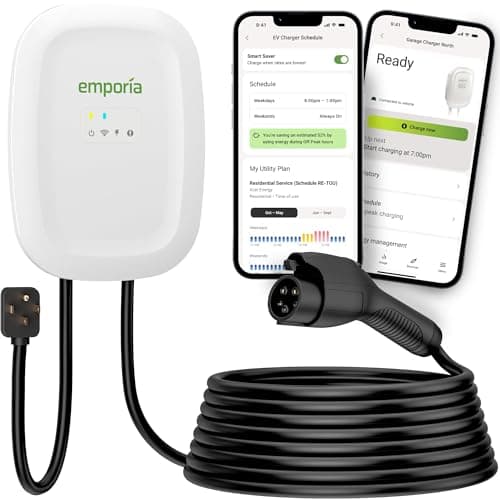
The Emporia Level 2 is the value EV pick for a garage that already has a 240-volt outlet; skip it if your panel needs the Pro's active load management or you want the slickest app. Tom's Guide calls Emporia's energy-monitoring integration the most useful feature in any home charger — seeing the car's draw beside whole-home energy changes how you schedule charging. It delivers 48A through a plug-in NEMA 14-50 on a 24 ft cable, so a home with the outlet skips the hardwire and the electrician. Per-session cost tracking shows exactly what a charge costs at your rate. Compared to the Pro, you give up the bundled Vue monitor — its best features want that $50-$150 add-on — and the app trails ChargePoint's polish, though the install-simplicity factor stays high. But for a 7.9-consensus charger that plugs in and reports real numbers, it is the path of least friction into Level 2 charging, and a fitting value capstone once the core garage is wired.
What We Love
- Tom's Guide calls its energy-monitoring integration the most useful feature in any home charger.
- 48A output on a plug-in NEMA 14-50, so a home with the outlet skips a hardwire.
- Per-session cost tracking shows the exact charge cost at your utility rate.
What Could Be Better
- The best features want a separate Emporia Vue monitor, a $50-$150 add-on.
- Plug-only, and the app is less polished than ChargePoint's.
The Verdict
If you already have a NEMA 14-50 outlet and want energy data without the premium, the Emporia Level 2 EV Charger lines up with what you actually need. Tom's Guide singles out its whole-home energy view, and plug-in 48A charging keeps the install simple — a sensible pick for that setup when the Pro's load management is more than your panel needs.
How We Score: SHE Garage Setup Score
SHE Garage Setup Score
Score Formula
Score = 0.30 * interoperability + 0.20 * subscription_freedom + 0.20 * install_simplicity + 0.30 * garage_coverageScore Factors
- Cross-Ecosystem Interoperability (30%)How many platforms the device joins natively — HomeKit, Alexa, Google, SmartThings, or a mature charger app — without a separate hub. Weighted highest because a garage full of apps that ignore each other is the failure this guide corrects.
- Subscription Freedom (20%)Whether the core function hides behind a monthly fee. Every pick here runs its essential job with no subscription; cloud extras that cost nothing to skip do not lower the factor.
- Install Simplicity (20%)Plug-in versus two-wire versus hardwired. A plug-in outdoor plug scores high; a hardwired 48A charger that needs an electrician scores lower, because friction decides whether the setup actually gets finished.
- Whole-Garage Coverage (30%)How much of the garage-as-a-system the device carries — control, security, power, or the EV load. Weighted highest alongside interoperability because the basket is scored as one interoperable room, not eight isolated gadgets.
SHE Garage Setup Score — Ranked
Meross MSG200
8.9/10Tops the composite: five-platform control with no subscription and 2-door coverage make it the interoperability anchor.
Kasa Smart Outdoor Plug EP40
8.4/10Two weatherproof outlets and energy monitoring for around $20 — the cheapest high-coverage node in the basket.
ChargePoint HomeFlex Level 2
8.2/10Adjustable 16-50A charging and the most mature app; a hardwire install is the only thing holding the factor down.
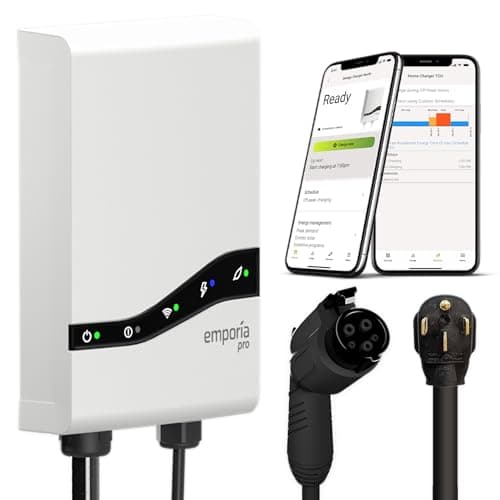
Emporia Pro EV Charger
8.1/1048A with bundled load management; the involved install trims install-simplicity, but its coverage of the EV load is high.
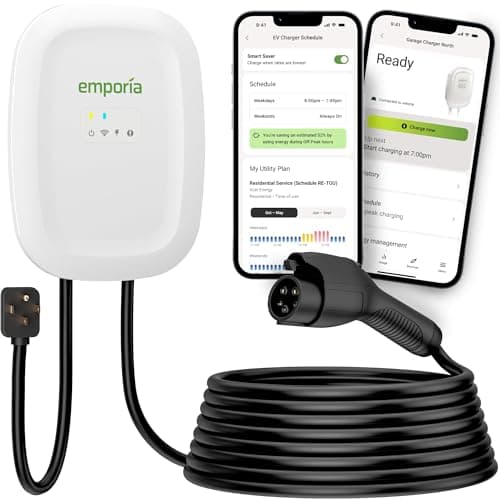
Emporia Level 2 EV Charger
8.1/10Plug-in 48A value with whole-home energy data; it needs the Vue add-on for its best tricks.
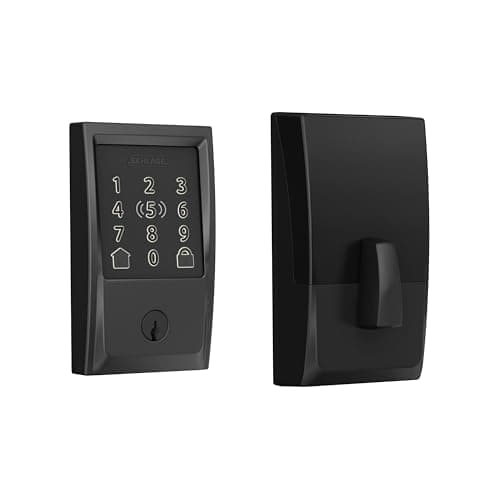
Schlage Encode Plus
7.9/10The highest consensus score, but it secures one door, so whole-garage coverage caps the composite.
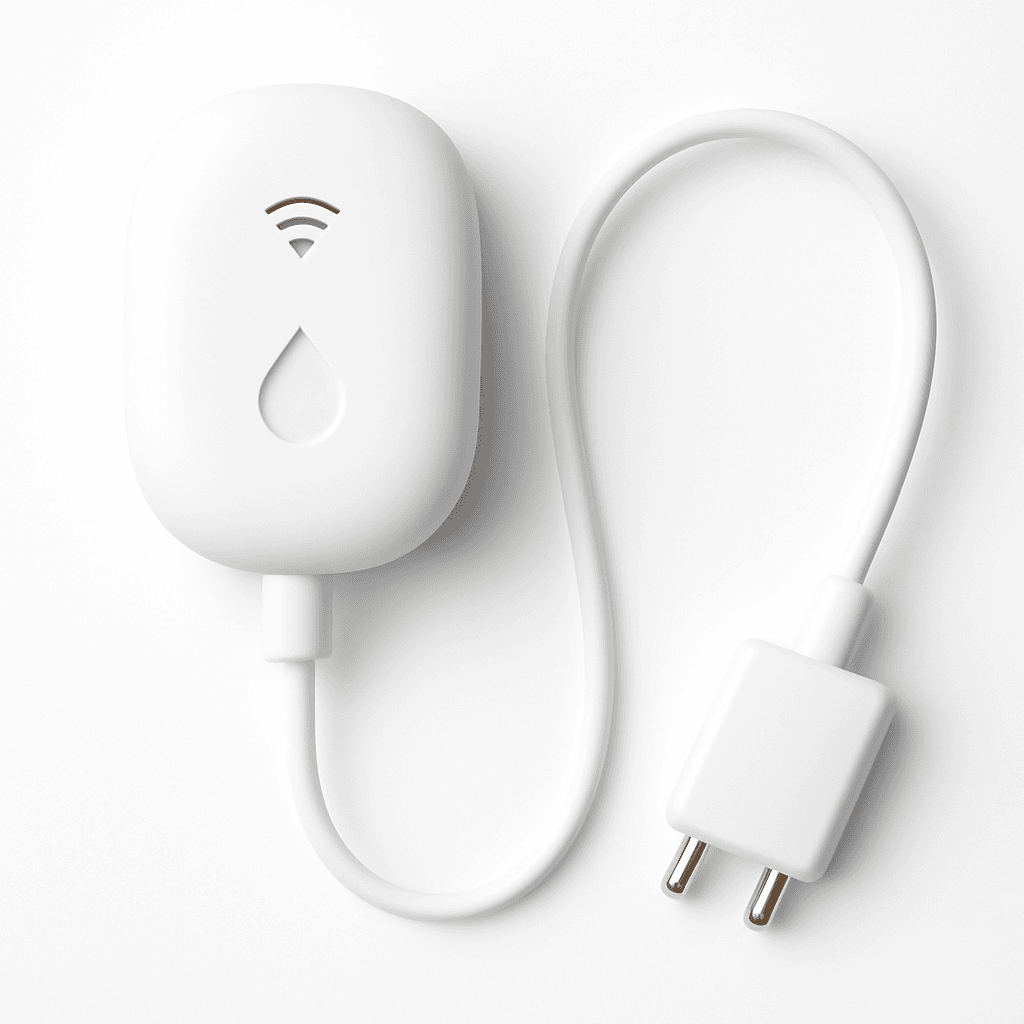
Govee WiFi Water Sensor
7.8/10Cheap, hub-free leak and freeze awareness; slower detection keeps it below the control tier.
Wyze Cam OG
7.3/10Budget eyes with a physical shutter; narrow coverage and cloud caveats place it last.
Ecosystems, Circuits, and the Connector Question
Interoperability across this basket splits along two lines: the smart-home devices and the EV chargers. On the smart-home side, the Meross MSG200 is the broad connector — HomeKit, Alexa, Google, and SmartThings at once — while the Schlage Encode Plus adds the Apple Home Key that Wirecutter rates, and the Kasa EP40 covers Alexa and Google but skips HomeKit. The Wyze Cam OG runs its own app, and the Govee sensors add Alexa and Google alerts. None of these needs a hub, which is the whole-garage coverage the SHE Garage Setup Score rewards. Matter does not yet cover garage openers as of July 2026, so buy for the ecosystem you run today rather than a protocol that has not shipped for this category.
The EV layer speaks a different language. A Level 2 charger is not a smart-home accessory; it is the garage's biggest electrical load, and the questions are amperage and connector, not app ecosystem. All three chargers here output 48A or an adjustable equivalent, which by code needs a 60A circuit — the reason panel headroom, not price, often decides the pick. Connector is the second fork: the Emporia Pro and ChargePoint offer J1772 or NACS variants, and a J1772 car that wants Tesla's destination and Wall Connector network can add the Lectron NACS-to-J1772 80A adapter, which carries the documented UL 2252 safety listing that EnergySage's adapter guidance calls for. MotorTrend frames that certification as the line between a serious adapter and a knockoff, so match the adapter's rating to your charger. The Best Smart EV Charger Accessories 2026: Adapters Ranked guide covers adapters in depth, and the Best Smart Garage Controllers 2026 (Alexa & HomeKit) roundup scores five openers on their own.
| Product | HomeKit | Alexa | Google Home | SmartThings |
|---|---|---|---|---|
| meross-msg200 | ✓ | ✓ | ✓ | ✓ |
| schlage-encode-plus | ✓ | ✓ | ✓ | – |
| kasa-smart-outdoor-plug-ep40 | – | ✓ | ✓ | – |
| govee-wifi-water-sensor | – | ✓ | ✓ | – |
When NOT to Buy
Skip the parts you do not need. If the garage already has a built-in-Wi-Fi opener with a working app, the Meross is redundant — check the opener's spec sheet first. If your opener is a brand-new Chamberlain Security+ 3.0 unit, most retrofit controllers are blocked; that is an opener problem, not a basket problem. Heating is deliberately absent here: a smart heater is its own decision, and the Best Smart Garage Heaters 2026: Wi-Fi 240V Picks Ranked guide handles it. And if you rent, prioritize the plug, camera, and sensors — the wired lock and hardwired charger assume you own the walls.
Frequently Asked Questions
Do I need a hub for a smart garage?
No. Every core pick here connects on its own — the Meross MSG200 joins HomeKit, Alexa, Google, and SmartThings directly, the Schlage Encode Plus has built-in Wi-Fi, and the Kasa, Wyze, and Govee devices each pair to Wi-Fi without a bridge. A hub only becomes worthwhile if you later run Home Assistant for fully local control. The EV chargers need no hub either, but they do need the right circuit.
What circuit does a 48A EV charger need?
A 48A charger must run on a 60A circuit, because electrical code requires the breaker to be rated for 125% of the continuous load. That is the most common surprise in a garage EV install: the charger costs a few hundred dollars, but a panel near capacity may need an upgrade or a load-management charger like the Emporia Pro, whose bundled monitor throttles the car before the main breaker trips.
J1772 vs NACS: which connector should I buy?
Match the connector to your car. Most non-Tesla EVs use J1772; Teslas and a growing list of new models use NACS. The Emporia Pro and ChargePoint HomeFlex ship in either variant, so you can buy the plug your car uses. A J1772 car that wants Tesla's destination network can add a UL 2252-listed adapter such as the Lectron NACS-to-J1772 80A unit rather than buying a second charger.
Is the Wyze Cam safe to use in a garage?
It is fine for low-stakes awareness if you run it thoughtfully. The Cam OG has a physical privacy shutter and records to a local microSD card with no subscription, which is the configuration to use. Wyze has had documented cloud-privacy lapses, so keep sensitive footage local and the shutter closed rather than routing it through the cloud, and treat it as a bay monitor rather than a primary security camera.
How many water sensors does a garage need?
For most garages, two to four. Place one under the water heater, one at the washer hookup if present, and one on the slab near the door where snowmelt and rain collect. The Govee two-pack covers the two highest-risk spots for under $20, and each sensor carries four alert channels, so a small kit watches several zones. Freeze-prone regions should add one near any exposed pipe.
Can I build the smart garage in stages?
Yes, and staging is the sensible way to do it. Start with the control anchor and the lock, add the plug and sensors as the seasons demand, and treat the Level 2 charger as its own project when the EV arrives. Because every pick is subscription-free and hub-free, nothing you buy first locks out what you buy later — that interoperability is exactly what the SHE Garage Setup Score rewards.
Bottom Line
Get the Meross MSG200 if The control anchor — buy first if you want every platform to see one opener with no hub and no subscription..
Get the Schlage Encode Plus if Add it if the garage opens into the house and you're on Apple Home; the only native Home Key deadbolt..
Get the Kasa Smart Outdoor Plug EP40 if The power layer — two weatherproof outlets and energy data for around $20, no HomeKit..
Get the Wyze Cam OG if Cheapest eyes on the bay; run it local with the shutter closed given Wyze's cloud history..
Get the Govee WiFi Water Sensor if Leak and freeze early-warning for a water heater or cold-climate pipes; a multi-pack under $20..
Get the Emporia Pro EV Charger if The EV capstone for older panels — 48A with bundled load management to avoid a panel upgrade..
Get the ChargePoint HomeFlex Level 2 if The EV pick for app and public-network reach — adjustable 16-50A to fit any circuit..
Get the Emporia Level 2 EV Charger if The value EV charger if you already have a NEMA 14-50 outlet and want energy data..
Skip a retrofit controller if your opener already has built-in Wi-Fi and a working app, and skip the wired lock and hardwired charger if you rent — start with the plug, camera, and sensors instead.
Sources & Methodology
Methodology: SHE Garage Setup Score — Formula: Score = 0.30 * interoperability + 0.20 * subscription_freedom + 0.20 * install_simplicity + 0.30 * garage_coverage. Factors: Cross-Ecosystem Interoperability (30%): How many platforms the device joins natively — HomeKit, Alexa, Google, SmartThings, or a mature charger app — without a separate hub. Weighted highest because a garage full of apps that ignore each other is the failure this guide corrects. | Subscription Freedom (20%): Whether the core function hides behind a monthly fee. Every pick here runs its essential job with no subscription; cloud extras that cost nothing to skip do not lower the factor. | Install Simplicity (20%): Plug-in versus two-wire versus hardwired. A plug-in outdoor plug scores high; a hardwired 48A charger that needs an electrician scores lower, because friction decides whether the setup actually gets finished. | Whole-Garage Coverage (30%): How much of the garage-as-a-system the device carries — control, security, power, or the EV load. Weighted highest alongside interoperability because the basket is scored as one interoperable room, not eight isolated gadgets.
Expert review sources used in this analysis:
- SmartHomeExplorer aggregated expert coverage for this guide from Wirecutter, PCMag, CNN Underscored, iMore, Tom's Guide, CNET, MotorTrend, and EnergySage, alongside manufacturer specifications for each product
- No first-party hardware testing was performed; scores reflect aggregated consensus and published specifications
- The SHE Garage Setup Score is SmartHomeExplorer's proprietary editorial metric — a weighted composite of cross-ecosystem interoperability, subscription freedom, install simplicity, and whole-garage coverage, normalized against price
- Amazon prices were verified on 2026-07-09 and change frequently; confirm the current price on Amazon before buying
- Affiliate disclosure: SmartHomeExplorer earns commissions on qualifying Amazon purchases, and the scoring is independent of any affiliate relationship.
Nicholas Miles is the founder of SmartHomeExplorer and a longtime smart home enthusiast focused on helping everyday homeowners make better technology decisions. He researches, compares, and writes about products across security, climate, lighting, leak prevention, sensors, home energy, and automation, with an emphasis on real-world usefulness, ecosystem compatibility, reliability, privacy, and long-term value.
Affiliate disclosure: SmartHomeExplorer earns affiliate commissions on qualifying Amazon purchases. Our scoring methodology is independent of affiliate relationships.