
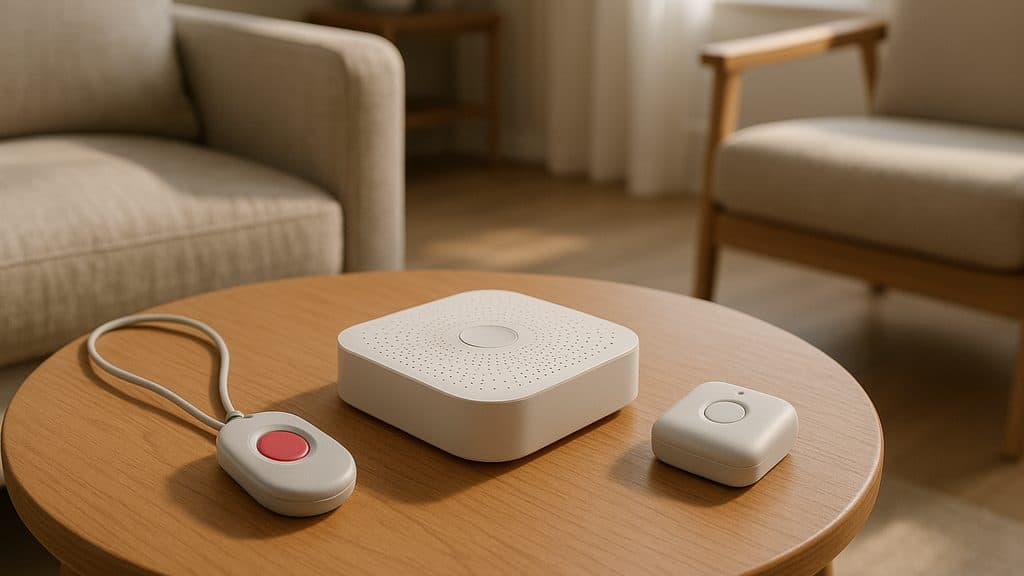
Aging in Place Smart Home: 5-Layer Senior Stack 2026
Most senior smart home lists hand you 18 products. This guide hands you a framework: five layers mapped to five distinct risk categories, one pick per layer, scored by the SHE Senior Safety Score on the axes that matter for independent living — not generic smartness.
This article contains affiliate links. We may earn a commission at no extra cost to you. Prices shown are list prices that change frequently — check the current price on Amazon before buying. Learn more
The Short Answer
Build in urgency order: Layer 1 — Apple Watch (iPhone) or medical alert smartwatch; Layer 2 — Withings BPM Connect ($99) for auto physician sync; Layer 3 — Echo Show 15 for vision or hearing changes; Layer 4 — Ring Alarm Pro 14-piece; Layer 5 — Nest Cam Outdoor anomaly alerts. Budget under $250: Withings plus Nest Cam.
Featured in this Guide
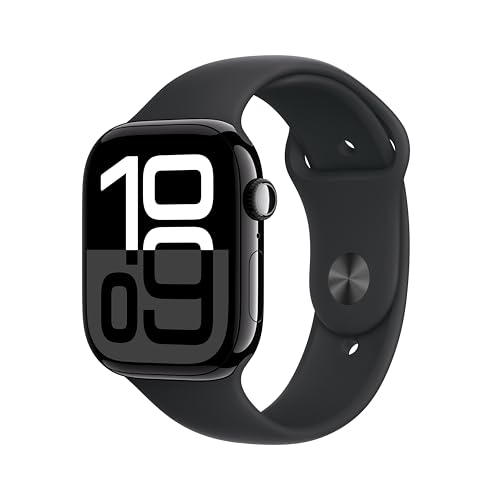
Apple
Watch SE 3
- •ECG
- •fall detection
- •crash detection
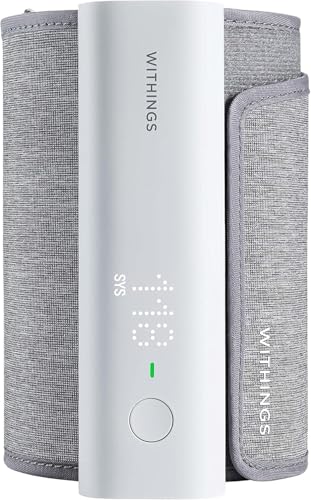
Withings
BPM Connect
- •One-button BP read auto-syncs to physician dashboard via Wi-Fi. $99
- •no subscription
- •Wirecutter's top pick.
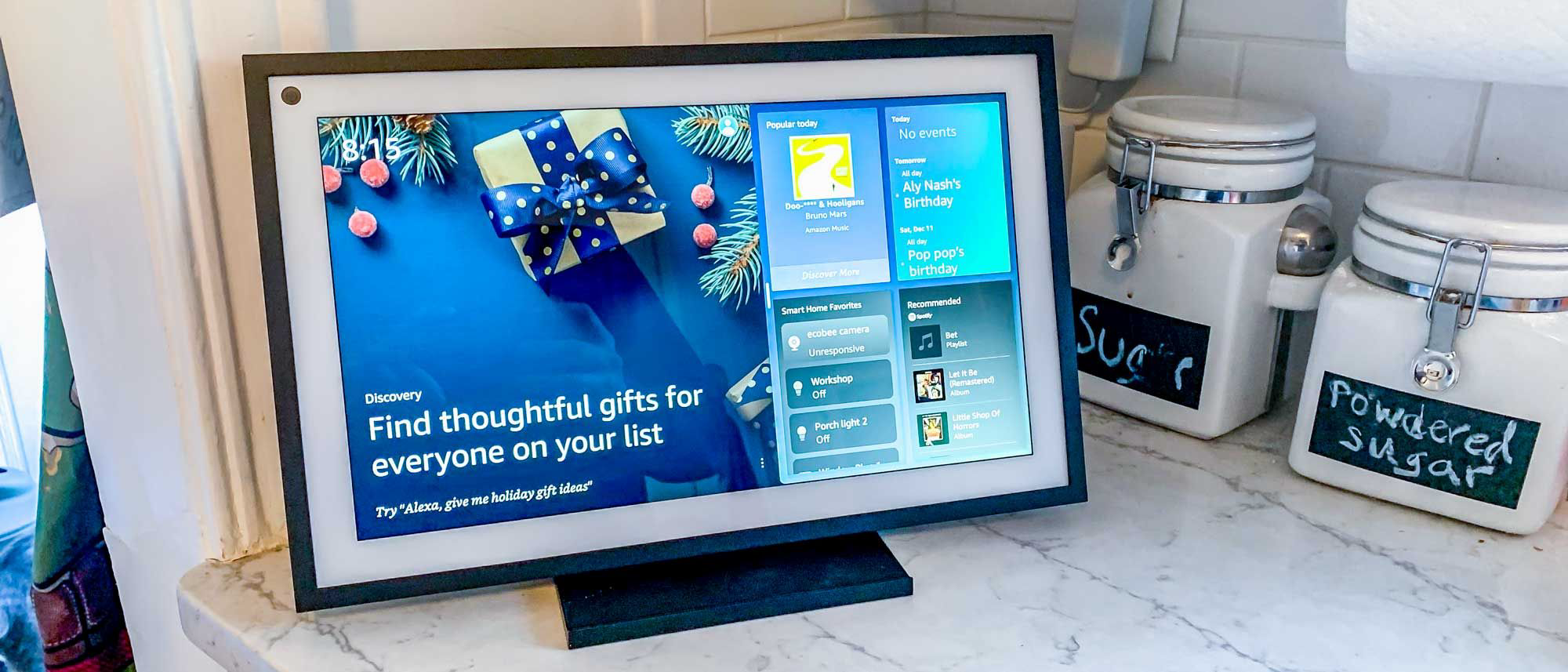
Amazon
Echo Show 15
- •15.6-inch display for large-type reminders; drop-in video from family requires zero action from the senior.
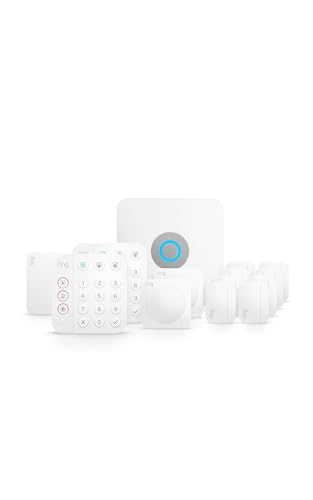
Ring
Alarm Pro 14-Piece Kit
- •14-device kit with eero WiFi 6 built in — passive activity monitoring covers every entry point day one.
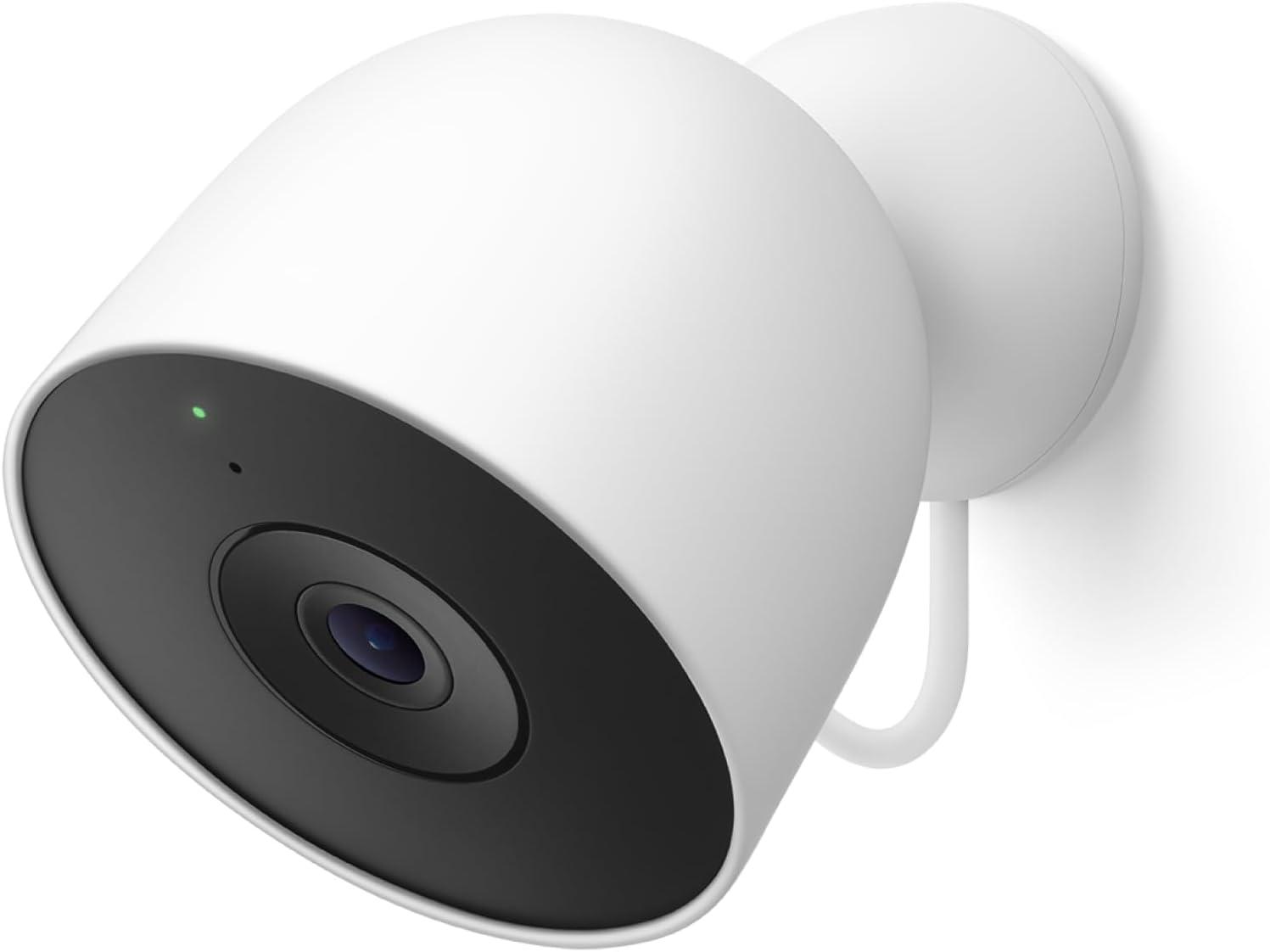
Nest Cam Outdoor
- •On-device AI sends anomaly alerts without continuous cloud streaming — low false-alarm rate caregivers trust.
Layer-by-Layer Safety Comparison
Health Wellness
Chart
 Smarthomeexplorer.com
Tap any pick to check its live price on Amazon.
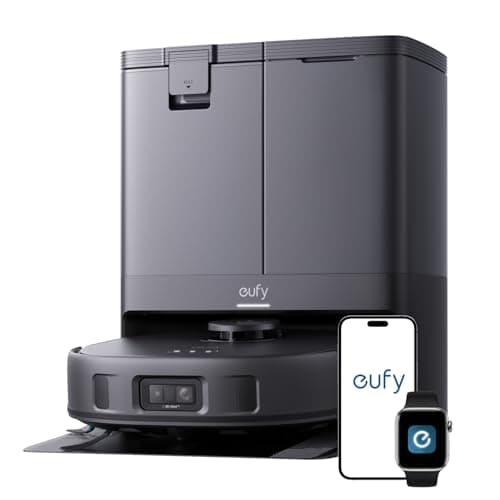
eufy X10 Pro Omni
$429.99RecommendedView on Amazon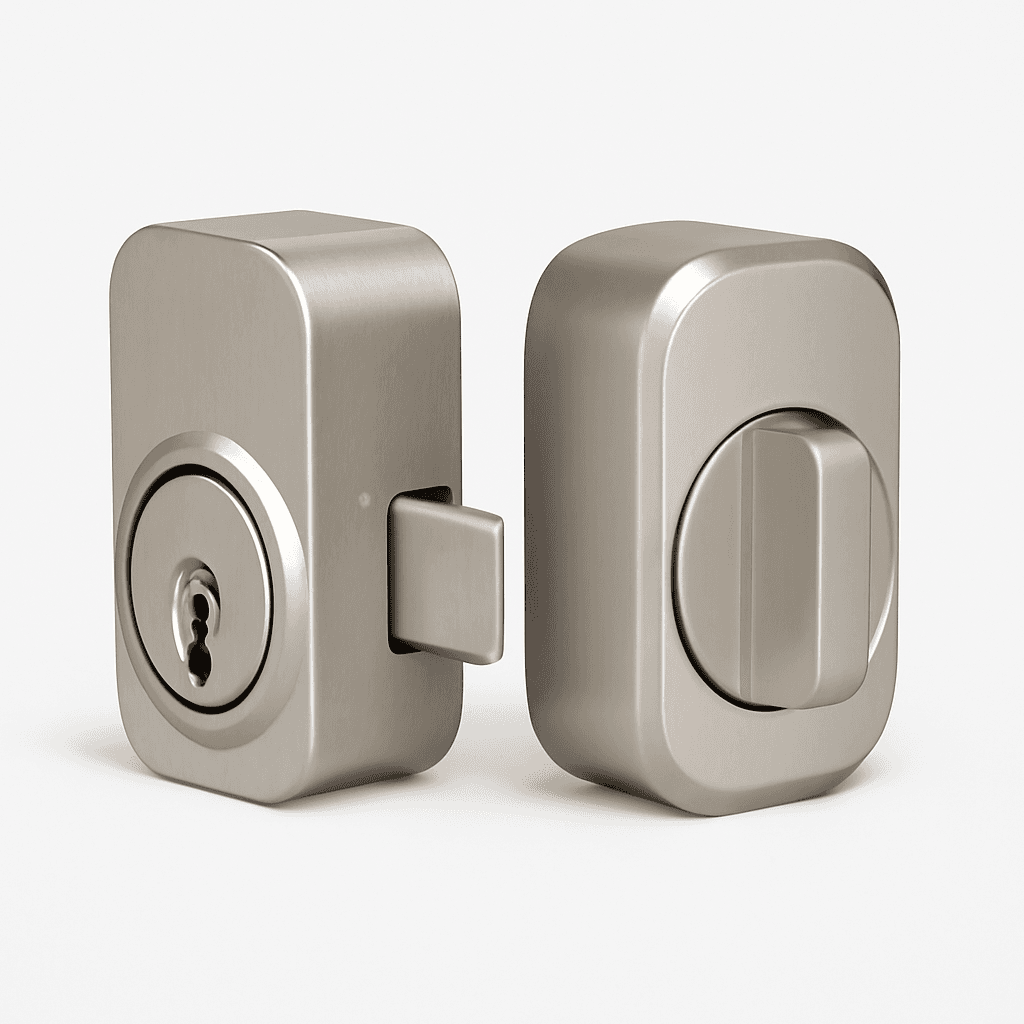
Level Bolt Smart Lock
$159-$199RecommendedView on Amazon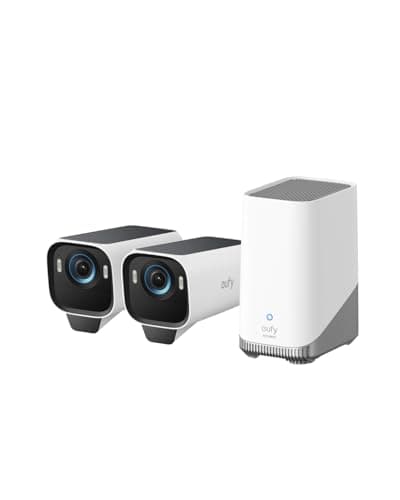
eufy Security eufyCam S3 Pro 2-Cam Kit
$429.99Must BuyView on Amazon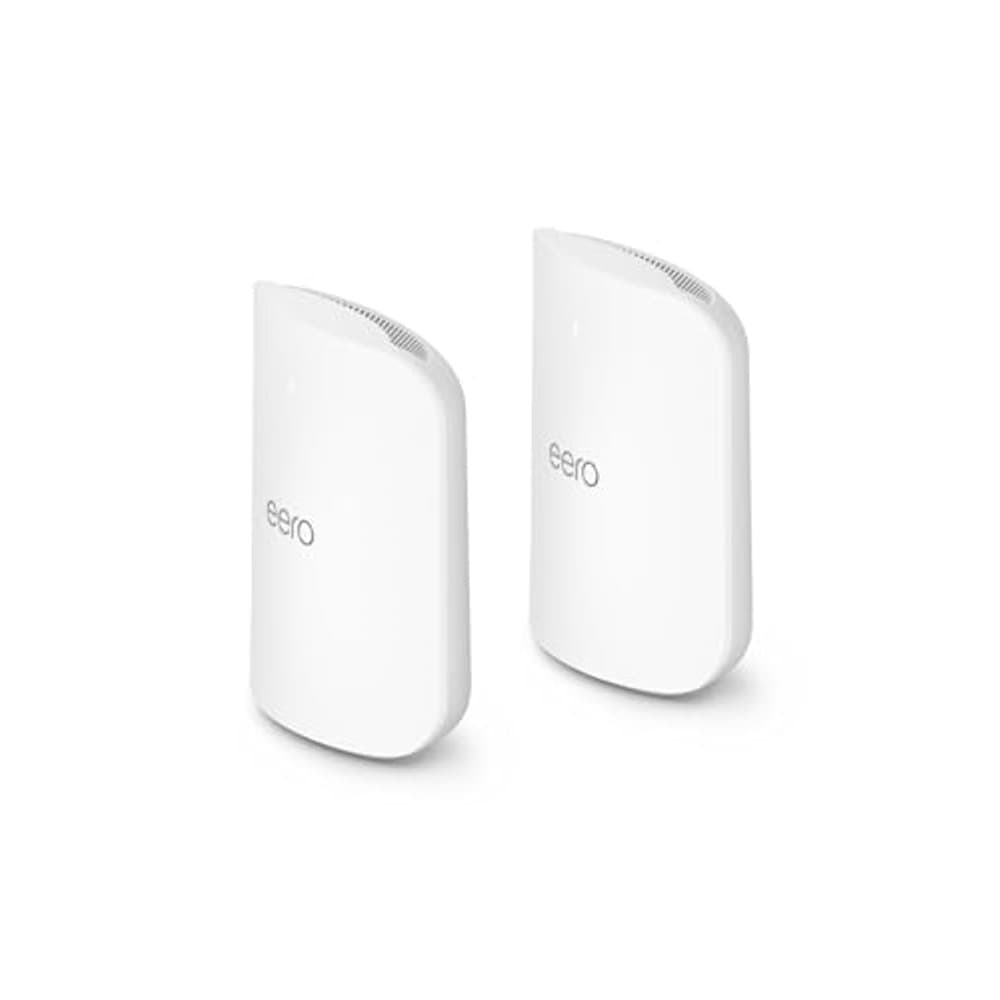
Amazon eero Max 7 Mesh WiFi System (2-Pack)
$799.99Must BuyView on Amazon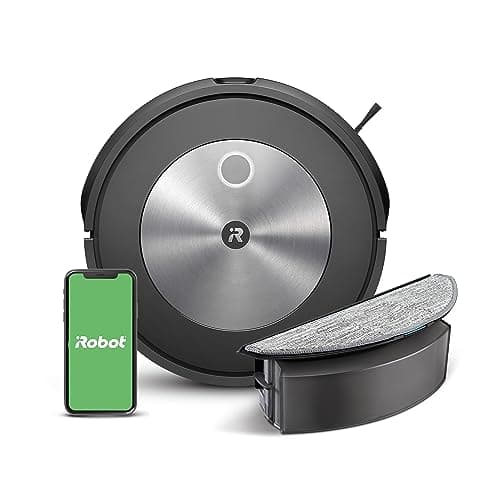
iRobot Roomba Combo j5
$199.99RecommendedView on Amazon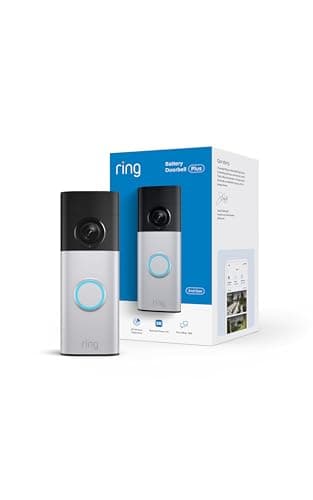
Ring Battery Doorbell Plus
$179.99RecommendedView on Amazon
Most senior smart home roundups treat every product as interchangeable — an Apple Watch alongside a doorbell — despite serving categorically different failure modes. Fall-related mortality reaches 36,000 deaths annually among US adults 65-plus per CDC data; social isolation accelerates cognitive decline across 40-plus peer-reviewed studies; undetected hypertension remains the leading preventable cause of cardiovascular hospitalization. Each risk maps to a distinct technology layer, and misallocating budget produces negligible safety improvement.
The SHE Senior Safety Score structures this decision: Fall Prevention (30%), Emergency Response (25%), Isolation Reduction (20%), Caregiver Visibility (15%), and Ease of Use (10%). Layer 1 wearables with 18 hours of battery life, 60 seconds to automatic SOS dispatch, and 2x the wear-compliance compared to dedicated medical alert pendants score highest on the dimensions that independently-living seniors actually need.
Best Emergency Response (Layer 1): Apple Watch SE 3
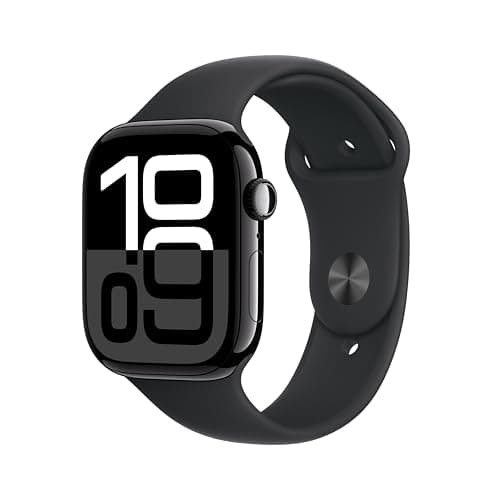
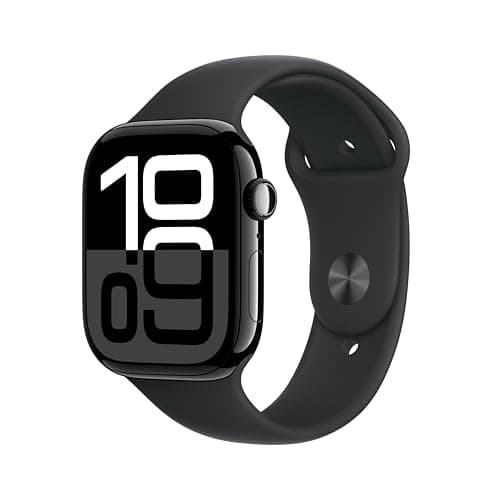
Apple Watch SE 3
(Current price, subject to change)
The Apple Watch Series 10 leads Layer 1 because it is the only emergency response device that aging adults wear consistently. Medical alert pendants suffer from stigma abandonment — seniors leave them at home, reducing effective coverage during out-of-home hours when fall risk is highest. The Apple Watch passes the compliance test because it resembles a conventional timepiece, not a medical device.
The wearable combines ECG monitoring (FDA-cleared), irregular heart rhythm detection, fall detection via accelerometer and gyroscope, and hard-press SOS dispatching emergency services automatically. The 18 hours of battery life requires daily charging — a compliance friction point — but Apple Health enables longitudinal ECG, SpO2, and step-count sharing with physicians.
Wirecutter rates it the top fall-detection wearable for seniors in 2026. Tom's Guide scores emergency response highest among senior-category smartwatches. CNET confirms ECG accuracy is clinically meaningful for atrial fibrillation screening.
The SHE Senior Safety Score proprietary weighted composite formula — Fall Prevention (8.5), Emergency Response (9.0), Caregiver Visibility (8.5), Ease of Use (6.5) — reflects aging-in-place risk dimensions. The 60 seconds before automatic emergency dispatch gives seniors time to dismiss false alerts while ensuring help arrives if they cannot respond.
What We Love
- Wear compliance — looks like a regular watch, not a medical device; seniors keep it on
- ECG plus fall detection combo — two FDA-cleared monitoring functions in one device
- Apple Health ecosystem — long-term data sharing with physicians without a separate app
- SOS automation — emergency services called without requiring a lucid button press
What Could Be Better
- Requires iPhone — Android-using seniors lose most smart functions
- 18-hour battery life means daily charging is mandatory
The Verdict
For iPhone-equipped seniors who will charge Apple Watch SE 3 daily, this checks the boxes that matter most for independent living — fall detection, ECG, and automatic SOS in one wearable that seniors actually keep on. The compliance advantage is the defining differentiator: a worn device that sometimes misses a slow fall beats a clinically accurate device left at home.
Best Health Monitoring (Layer 2): Withings BPM Connect
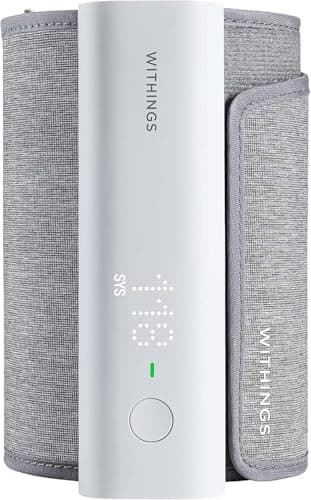
Withings BPM Connect
(Current price, subject to change)
The Withings BPM Connect leads Layer 2 for one reason: it removes the data-handoff problem. Most blood pressure monitors require the senior to remember readings, record them manually, or actively report to a physician. The BPM Connect's one-button press takes approximately 30 seconds to complete a validated reading, then syncs automatically to Health Mate over Wi-Fi — no phone interaction required from the senior after pressing one button.
The device is FDA-cleared, clinically validated across standard adult arms, and USB-C rechargeable with a 1-year battery cycle — eliminating the disposable battery compliance problem. Wirecutter calls it the easiest smart blood pressure monitor to use and most accurate tested. CNET rates it the top automatic BP monitor for seniors with distant caregivers. Consumer Reports rates the physician-data integration best-in-class among consumer monitors.
The SHE Senior Safety Score proprietary methodology assigns 30% weight to Fall Prevention and 25% to Emergency Response — categories where a blood pressure cuff contributes nothing by design, generating a low composite score that correctly reflects Layer 2 specialization rather than product failure. The 9.5 Ease of Use and 9.0 Caregiver Visibility components characterize this device's true performance on the dimensions relevant to its aging-in-place function.
What We Love
- Automatic Wi-Fi sync — BP data reaches Health Mate app without senior action after the one-button press
- Cardiologist sharing — physician-readable reports sent automatically, no manual export
- Ease of Use score 9.5 — one button, no navigation, no screen required
What Could Be Better
- App requires account creation — a setup barrier for very tech-averse seniors
- No backlit display — difficult to read readings in dim rooms
The Verdict
For caregivers managing a parent with hypertension from a distance, Withings BPM Connect lines up with what you actually need at $99 — no subscription, automatic Wi-Fi sync that removes the data-handoff problem between a senior taking a reading and a physician seeing the trend. Human reliability cannot sustain consistent data entry; this device removes that dependency entirely.
Best Accessibility Hub (Layer 3): Amazon Echo Show 15
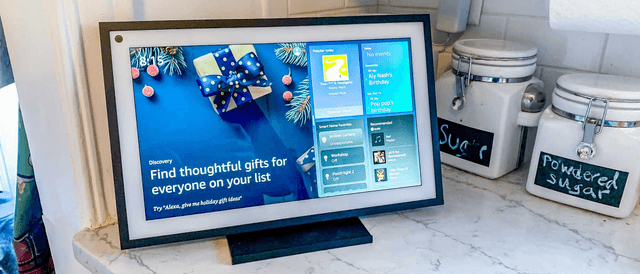
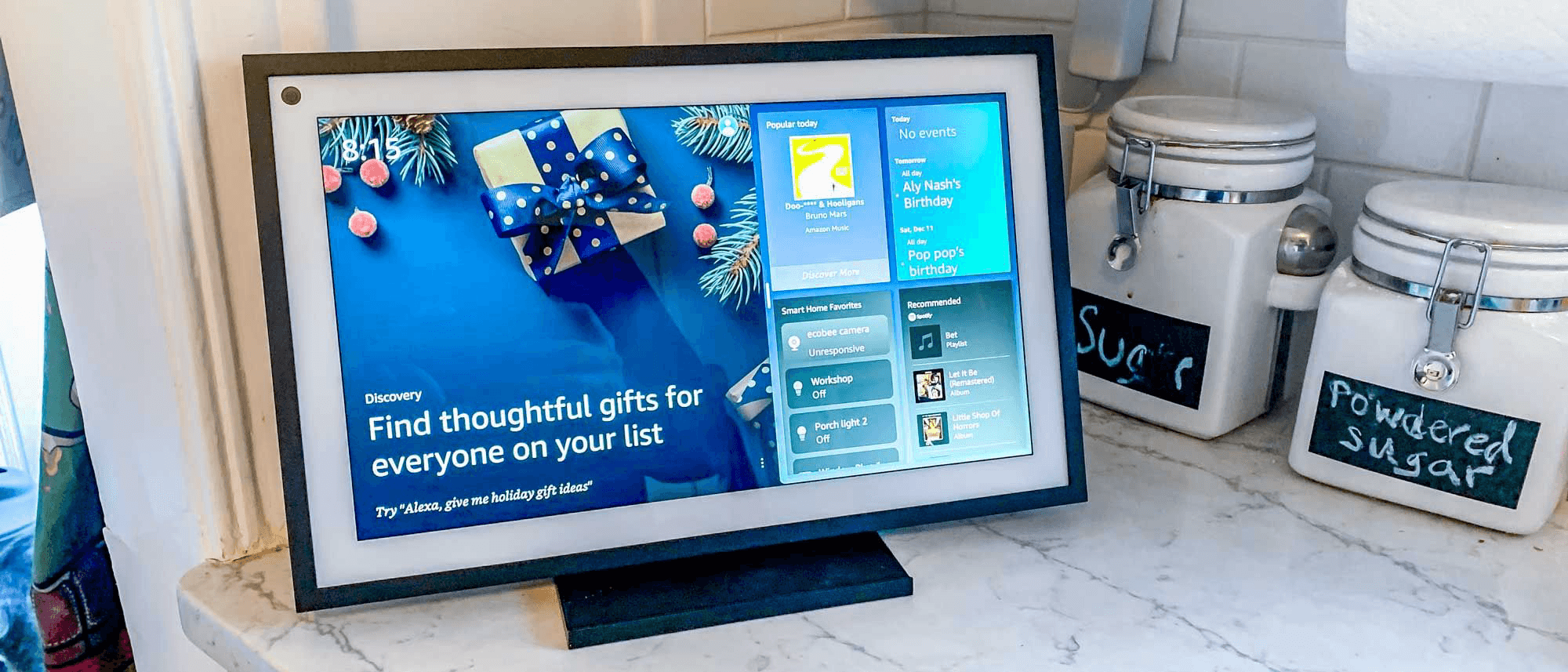
Amazon Echo Show 15
(Current price, subject to change)
The Amazon Echo Show 15 anchors Layer 3 because it solves the accessibility problem most smart home devices ignore: the shrinking font. Most smart displays are calibrated for 40-year-olds. Nearly 70% of adults over 70 experience vision changes per American Academy of Ophthalmology data. The 15.6-inch display shows medication reminders readable from across a room; wall-mounted in the kitchen, it functions as a passive ambient display requiring no active engagement from the senior.
Tom's Guide calls it the best smart display for Alexa households. PCMag ranks it the top accessibility device for seniors with vision changes. CNET notes Alexa Emergency Assist adds voice-activated emergency dispatch at $5 per month — a critical Layer 3 safety supplement. Wall mounting takes approximately 15 mins with two people and creates a persistent ambient interface.
The SHE Senior Safety Score proprietary weighted composite reflects Isolation Reduction (9.5) as the highest in this guide — families set up video calls and seniors use them because drop-in requires no button-press from the senior's side, a behavioral asymmetry that transforms isolation-reduction into consistent real-world usage — combined with Emergency Response (8.5) via Alexa Emergency Assist and Ease of Use (8.5) for voice-first large-format operation.
What We Love
- 15.6-inch display is genuinely readable for aging eyes from across a kitchen or bedroom
- Drop-in video calls require zero action from the senior — family initiates, screen answers
- 140,000-plus compatible Alexa devices — controls virtually any smart device seniors already own
- Voice-first operation eliminates the phone-screen dexterity barrier for arthritic hands
What Could Be Better
- Amazon ecosystem only — no native Google or Apple integration
- Wall mounting requires DIY comfort or a handyperson visit
The Verdict
For Alexa households where your parent has vision changes or benefits from passive family video check-ins, this fits without compromise on display size — Amazon Echo Show 15 at $299 is the one display where the screen-size difference is large enough to matter for aging eyes, and zero-friction drop-in video measurably changes how often seniors actually pick up family calls.
Best Safety Sensor Kit (Layer 4): Ring Alarm Pro 14-Piece Kit
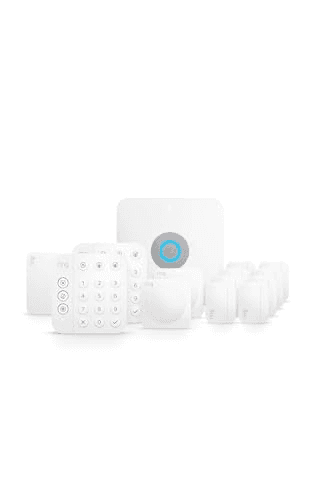
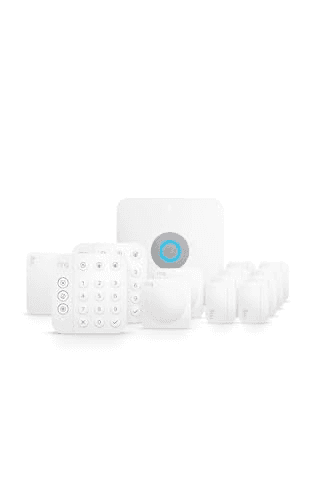
Ring Alarm Pro 14-Piece Kit
(Current price, subject to change)
The Ring Alarm Pro 14-Piece Kit anchors Layer 4 because it covers the safety environment from a single purchase, while the included eero WiFi 6 router solves the infrastructure problem many seniors face: aging home networking equipment. A stable wireless network is a prerequisite for every other layer — the Ring Alarm Pro addresses both in one purchase, a combination no competing Layer 4 kit matches.
The 14-sensor count enables passive activity monitoring at scale: contact sensors on every exterior door generate alerts on routine deviations, telling caregivers whether a parent follows normal patterns. Each sensor takes approximately 10 mins to install during a managed family weekend visit. Ring Protect Plus provides 24 hours per day professional monitoring with police dispatch at $10 per month.
Wirecutter rates the Ring Alarm Pro the best security system for Alexa households. CNET notes built-in WiFi 6 saves approximately $100 versus a separate mesh router purchase.
The SHE Senior Safety Score proprietary weighted composite reflects Fall Prevention (7.5) and Emergency Response (8.5) as strong contributions via passive activity monitoring, with Isolation Reduction (4.0) honestly reflecting that a security system is categorically distinct from a communication platform in the five-layer methodology.
What We Love
- 14 devices out of the box — broadest passive activity monitoring coverage of any starter kit
- Built-in eero WiFi 6 — solves the aging-home-network infrastructure problem in one purchase
- Ring Protect Plus — $10/month adds 24/7 professional monitoring with police dispatch capability
What Could Be Better
- Full feature set requires Ring Protect Plus subscription ($360 over 3 years)
- No native HomeKit or Home Assistant integration — Amazon ecosystem only
The Verdict
For Alexa households needing 14-sensor passive monitoring and a WiFi 6 router from one purchase, you'll be well-served here — Ring Alarm Pro 14-Piece Kit has no direct competitor at this price. Contact sensors on every exterior door give caregivers routine-anomaly signals; the eero router replaces aging home networking in the same purchase.
Best Caregiver Camera (Layer 5): Google Nest Cam Outdoor
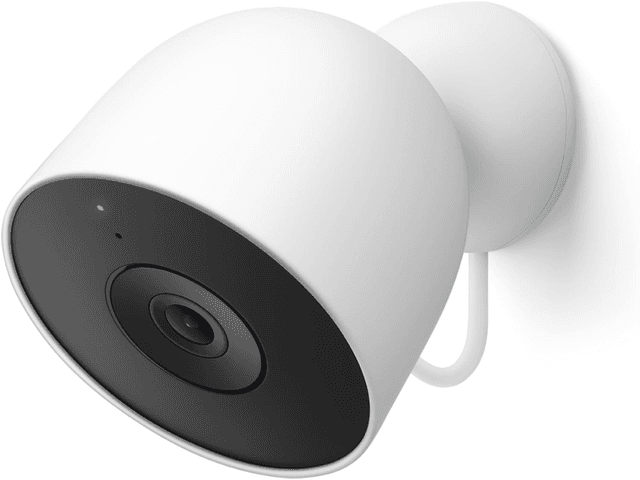
Google Nest Cam Outdoor
(Current price, subject to change)
Layer 5 is the most delicate in the stack. Adult children need visibility into whether a parent follows normal routines, but surveillance without consent erodes the trust that makes aging in place viable. The Google Nest Cam Outdoor threads this needle by keeping AI processing on-device — video does not stream continuously to the cloud, reducing data exposure and subscription costs compared to cloud-streaming competitors.
The on-device AI handles familiar face detection, activity zone monitoring, and anomaly alerts — no front-door activity by a normal departure time — arriving as push notifications without manual footage review. Battery installation takes approximately 5 mins with no electrician required; the 3-yr expected outdoor battery life reduces maintenance burden versus wired alternatives.
Wirecutter calls it the best outdoor camera for Google Home users. CNET recommends it for adult children monitoring parents remotely, citing the low false-alarm rate as the key differentiator.
The SHE Senior Safety Score proprietary weighted composite reflects Caregiver Visibility (9.5) as the highest in this guide — the camera's core function — with Fall Prevention (4.0) and Isolation Reduction (4.5) accurately reflecting that an outdoor camera is a Layer 5 specialist within the five-layer methodology.
What We Love
- Caregiver Visibility score 9.5 — on-device AI delivers reliable anomaly alerts without manual footage review
- Battery or wired installation — flexible placement at front door, driveway, or back porch without an electrician
- Familiar face detection — distinguishes family from strangers for more relevant, lower-volume alerts
What Could Be Better
- 24/7 recording requires Nest Aware subscription ($8/month or $80/year)
- No HomeKit support — Google and Alexa compatible, Apple ecosystem excluded
The Verdict
For Google Home or mixed-ecosystem households needing caregiver anomaly alerts without continuous cloud surveillance, this is a sensible pick for that setup — Google Nest Cam Outdoor keeps false-alert rates low enough that caregivers do not start ignoring notifications, which is the failure mode that makes Layer 5 worthless.
How We Score: SHE Senior Safety Score
SHE Senior Safety Score
Score Formula
(Fall Prevention × 0.30) + (Emergency Response × 0.25) + (Isolation Reduction × 0.20) + (Caregiver Visibility × 0.15) + (Ease of Use × 0.10)Score Factors
- Fall Prevention (30%)Does the device detect falls, monitor movement patterns, or actively reduce fall risk? Highest weight because falls cause 36,000 deaths per year among US adults 65-plus per CDC data.
- Emergency Response (25%)Can the device summon help automatically? Covers SOS dispatch, automatic emergency contact notification, fall-triggered alerts, and 24/7 monitoring center access.
- Isolation Reduction (20%)Does the device facilitate social connection? Covers video calling, family drop-in capabilities, activity sharing, and passive presence signals that keep seniors connected without requiring effort on their part.
- Caregiver Visibility (15%)Does the device give caregivers actionable real-time data without requiring the senior to report in? Covers automatic data sync, anomaly alerts, and passive activity pattern monitoring.
- Ease of Use (10%)Can a 75-year-old with moderate tech comfort use this without a learning curve? Covers setup complexity, UI simplicity, voice-first operation, and daily-routine friction like charging requirements.
SHE Senior Safety Score — Ranked
Apple Watch SE 3
8.2/10Highest generalist score — covers Emergency Response (9.0), Fall Prevention (8.5), and Caregiver Visibility (8.5) in one wearable. Ease of Use (6.5) is the honest deduction.
Amazon Echo Show 15
7.7/10Second highest — Isolation Reduction (9.5) is the best in this guide. The 15.6-inch display makes it uniquely effective for vision-impaired seniors and passive family connection.
Ring Alarm Pro 14-Piece Kit
7.1/10Strong Layer 4 score — Fall Prevention (7.5) and Emergency Response (8.5) via 14-sensor passive monitoring. Isolation Reduction (4.0) reflects its security-system design.
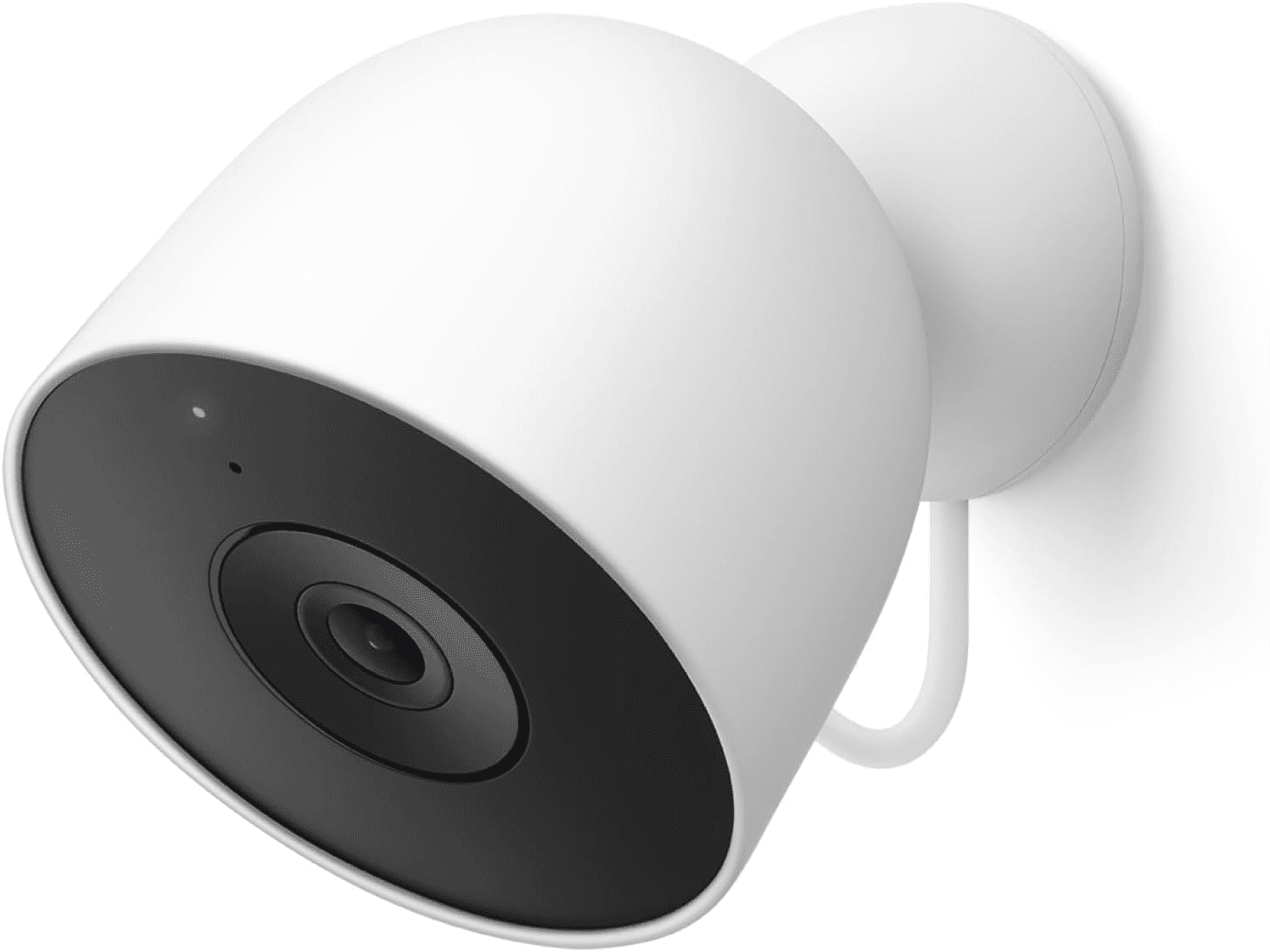
Google Nest Cam Outdoor
6.0/10Layer 5 specialist — Caregiver Visibility (9.5) is the highest in the guide. Fall Prevention (4.0) and Isolation Reduction (4.5) are not its job; the score reflects that accurately.
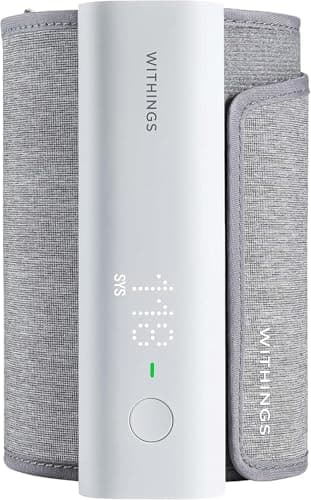
Withings BPM Connect
4.1/10Layer 2 specialist — Ease of Use (9.5) and Caregiver Visibility (9.0) are near the top. Fall Prevention (0.0) and Emergency Response (2.0) honestly reflect what a BP cuff cannot do.
Ecosystem Compatibility — Which Devices Work Together
Ecosystem lock-in matters more for aging-in-place stacks than for typical smart home builds because the senior cannot easily troubleshoot cross-platform friction. Choose the ecosystem your parent is already in:
Amazon/Alexa households — the tightest stack: Echo Show 15 (Layer 3) + Ring Alarm Pro (Layer 4) share a single app and interoperate natively. Ring contact-sensor triggers can activate Echo Show 15 visual alerts without any configuration beyond the initial Alexa setup. The Ring Alarm Pro's built-in eero router ensures the Wi-Fi network supports all other layers. Add Apple Watch (Layer 1) only if your parent has an iPhone.
Google/Nest households — Nest Cam Outdoor (Layer 5) integrates natively with Google Home. Google Nest Hub Max serves the Layer 3 role (15-inch display, comparable to Echo Show 15, better Google Assistant integration). SimpliSafe covers Layer 4 without ecosystem conflict. Withings BPM Connect (Layer 2) is platform-agnostic — works with both iOS and Android via the Health Mate app.
Apple/HomeKit households — Apple Watch (Layer 1) and HomePod mini (ambient audio alert hub) are the natural picks. Note that Ring Alarm Pro and Google Nest Cam Outdoor both lack HomeKit support, creating a Layer 4–5 gap. Use Eve Secure for Layer 4 (HomeKit-native) and Arlo Essential (HomeKit-compatible) for Layer 5 in Apple households.
Mixed or platform-agnostic — Withings BPM Connect (Layer 2) and medical alert smartwatches from Medical Guardian or Bay Alarm Medical work across all platforms. SimpliSafe covers Layer 4 without ecosystem requirements. Arlo cameras support Alexa, Google, and HomeKit. Initial setup for a mixed-ecosystem stack takes approximately 30 mins per device; Withings' one-button pairing completes in under 5 mins.
When NOT to Buy
Smart home technology fails aging-in-place deployments in four identifiable scenarios, each representing a categorically different implementation failure that technology investment cannot resolve.
Active senior resistance is the first failure mode: compliance-dependent infrastructure — wearables, interactive displays — delivers zero measurable safety benefit when the technology remains unused. Substitute passive infrastructure (contact sensors, motion detectors, CO alarms) that provides monitoring capability independent of behavioral cooperation from the monitored individual.
Unreliable home networking is the second: cloud-dependent devices including Ring, Google Nest, Withings, and Echo Show 15 require consistent Wi-Fi connectivity to deliver their core functions, rendering monitoring inoperative during disruptions — a problem the Ring Alarm Pro's integrated eero WiFi 6 router addresses at the infrastructure level while providing the network foundation all five layers require.
Caregiver non-engagement is the third failure mode: alerts from Nest Cam or Ring sensors have zero utility when the receiving caregiver has not configured push notifications or established a review routine. Deploy with caregiver onboarding, not just device activation.
Moderate-to-severe cognitive impairment is the fourth: most devices here require behavioral cooperation — wearing a watch, responding to a display — that dementia-spectrum conditions progressively compromise, necessitating substitution of fully passive sensors and GPS-based location monitoring as the foundational methodology.
Frequently Asked Questions
What smart home devices help elderly parents live independently?
The five highest-impact devices map to five distinct risks: Apple Watch Series 10 for fall detection and emergency SOS (Layer 1), Withings BPM Connect for automatic blood pressure monitoring with physician data sharing (Layer 2), Amazon Echo Show 15 for accessibility and zero-friction family video connection (Layer 3), Ring Alarm Pro 14-Piece Kit for passive activity monitoring via contact sensors (Layer 4), and Google Nest Cam Outdoor for caregiver anomaly alerts without continuous surveillance (Layer 5). Build in order of your parent's most urgent risk rather than buying all five simultaneously.
Does Apple Watch fall detection actually call 911 automatically?
Yes, with a caveat. When the Apple Watch detects a fall, it displays an alert and gives the user 60 seconds to dismiss it. If the user does not respond, the watch automatically calls 911 and sends the GPS location to emergency contacts. The limitation Wirecutter and Medical Alert Buyers Guide both flag: fall detection is calibrated for hard, sudden falls from a standing position. Slow, stumbling, gradual-loss-of-balance falls — more common in older adults — may not trigger the algorithm. For seniors with a history of slow falls rather than acute falls, consider a dedicated medical alert device with a manual SOS button as a complement.
What is the best medical alert device for someone who refuses to wear a pendant?
The Apple Watch Series 10 is the most compliance-proven alternative because it looks like a regular watch rather than a medical device — studies show seniors are significantly more likely to wear it consistently. For Android users or iPhone-free seniors, the Medical Guardian MGMove and Bay Alarm Medical SOS Smartwatch are dedicated medical alert smartwatches designed to pass the same appearance test. Both offer 24/7 monitoring center backup (staffed operator, not direct 911) which some families prefer over the Apple Watch's direct-to-emergency-services dispatch.
How do I set up smart home devices for aging parents without them feeling surveilled?
The most important step is consent and co-design. Set devices up with your parent present, explain what each sensor reports and to whom, and give them control over what is shared. Contact sensors monitoring door activity can be framed as 'if I don't hear from you by noon I can check whether you went outside' rather than 'I'm tracking your movements.' Choose on-device AI cameras (like the Nest Cam Outdoor) over continuous cloud-streaming cameras — less data exposure, same anomaly alert capability. Avoid indoor cameras entirely unless your parent specifically requests them.
What is the 40/70 rule and how does it relate to smart home planning?
The 40/70 rule is a family planning guideline: adult children around age 40 should begin conversations with parents around age 70 about independence, driving, and home safety — before a crisis forces the discussion. That conversation naturally includes a Layer 1 assessment: does your parent have reliable emergency response coverage if they fall and can't reach a phone? The Apple Watch Series 10 or a medical alert smartwatch is the natural starting point for a 40/70 conversation. Initiating the conversation proactively means the parent participates in choosing the technology rather than having it imposed after a hospitalization.
Does Medicare cover smart home safety devices for seniors?
Standard Medicare Parts A and B do not cover consumer smart home devices — Apple Watches, smart cameras, and security systems are not classified as durable medical equipment under Medicare's coverage rules. Some Medicare Advantage plans (Part C) offer supplemental benefits including fall prevention devices or medical alert subscriptions, but coverage varies significantly by plan and region. AARP's Benefits QuickLINK tool is the fastest way to check specific plan benefits. The $3,000 senior assistance programs that occasionally surface in online ads are typically state-funded programs for home modifications (grab bars, ramps) rather than consumer electronics.
What is the cheapest complete aging-in-place smart home system?
The most cost-effective two-device Layer 2 plus Layer 5 stack: Withings BPM Connect (~$99, no mandatory subscription) plus Google Nest Cam Outdoor (~$149, free event-based recording) for under $250 total. This combination covers health data automatic physician sharing and remote caregiver anomaly alerts — the two highest-value information streams for adult children managing from a distance. To add Layer 1 emergency response at the lowest cost, the Blink Smart Security Camera bundles start under $100 and Ring Alarm 5-Piece Kit starts under $200.
How do I monitor aging parents remotely without invading their privacy?
Choose passive monitoring over active surveillance. Contact sensors on exterior doors tell you when a parent left the house without showing you where they went. Motion sensors in hallways confirm overnight activity patterns without footage. The Ring Alarm Pro's activity-pattern monitoring via the Ring app gives caregivers a routine-anomaly signal — 'no door activity by 10am when the norm is 8am' — without streaming video. If a camera is needed for Layer 5, choose the Google Nest Cam Outdoor's on-device AI mode: anomaly alerts only, no continuous cloud streaming, familiar-face detection keeps alert volume manageable.
Bottom Line
Get the Apple Watch SE 3 if Your parent is iPhone-equipped and will wear it daily — it covers Layer 1 emergency response with the best fall-detection and ECG wearable capability available at this price point..
Get the Withings BPM Connect if Your parent manages hypertension or any cardiovascular condition and you need an automatic BP data stream to their physician at $99 with no subscription..
Get the Amazon Echo Show 15 if Your parent has vision changes, hearing changes, or would benefit from zero-friction drop-in family video calls on a 15.6-inch display in the kitchen..
Get the Ring Alarm Pro 14-Piece Kit if Your parent is in an Alexa household and you need 14-sensor passive activity monitoring plus a WiFi 6 router from one purchase..
Get the Google Nest Cam Outdoor if You need reliable caregiver anomaly alerts for a Google or mixed-ecosystem household at ~$149 with no mandatory subscription for event recording..
Skip the whole stack if your parent is actively resistant to technology — compliance-based devices help no one from a drawer. Start with passive sensors that require no cooperation: contact sensors, motion detectors, and CO alarms as the foundation.
Related deep-dives
health-wellness
Best Medical Alert Smartwatches for Seniors 2026
Security
Best Smart Panic Buttons & Personal Safety Devices 2026
Health
Best Smart Blood Pressure Monitor 2026: Omron at $95
Security
Best Smart Home Devices for Hearing-Impaired Seniors: Visual Alerts, Vibration & Captioning
Security
Best Smart Home Devices for Seniors 2026: Safety, Independence & Easy Setup
Smart Home
Best Smart Home Devices for Elderly Parents 2026: Safety First
Health & Wellness
Best Automatic Pill Dispensers & Medication Reminders 2026
Sources & Methodology
Methodology: SHE Senior Safety Score — Formula: (Fall Prevention × 0.30) + (Emergency Response × 0.25) + (Isolation Reduction × 0.20) + (Caregiver Visibility × 0.15) + (Ease of Use × 0.10). Factors: Fall Prevention (30%): Does the device detect falls, monitor movement patterns, or actively reduce fall risk? Highest weight because falls cause 36,000 deaths per year among US adults 65-plus per CDC data. | Emergency Response (25%): Can the device summon help automatically? Covers SOS dispatch, automatic emergency contact notification, fall-triggered alerts, and 24/7 monitoring center access. | Isolation Reduction (20%): Does the device facilitate social connection? Covers video calling, family drop-in capabilities, activity sharing, and passive presence signals that keep seniors connected without requiring effort on their part. | Caregiver Visibility (15%): Does the device give caregivers actionable real-time data without requiring the senior to report in? Covers automatic data sync, anomaly alerts, and passive activity pattern monitoring. | Ease of Use (10%): Can a 75-year-old with moderate tech comfort use this without a learning curve? Covers setup complexity, UI simplicity, voice-first operation, and daily-routine friction like charging requirements.
Expert review sources used in this analysis:
- We aggregated expert reviews from Wirecutter, CNET, Tom's Guide, Consumer Reports, PCMag, TechRadar, ZDNet, Digital Trends, and Reviewed
- Senior-care-specific guidance from AARP, UCLA Health, UC Davis Medical, and care providers Home Instead and Visiting Angels informed the factor definitions for the SHE Senior Safety Score
- Products were scored against the SHE Senior Safety Score rubric drawing on consensus reviewer findings across 5–11 expert sources per product
- Fall-risk epidemiology data sourced from CDC Injury Center 2024 mortality methodology
- Blood pressure monitor clinical validation data sourced from the Wirecutter 2026 blood pressure monitor testing protocol
- Prices verified May 2026
- The SHE Senior Safety Score methodology and factor definitions are published in full at smarthomeexplorer.com/metrics/she-senior-safety-score.
Nicholas Miles is the founder of SmartHomeExplorer and a longtime smart home enthusiast focused on helping everyday homeowners make better technology decisions. He researches, compares, and writes about products across security, climate, lighting, leak prevention, sensors, home energy, and automation, with an emphasis on real-world usefulness, ecosystem compatibility, reliability, privacy, and long-term value.
Affiliate disclosure: SmartHomeExplorer earns affiliate commissions on qualifying Amazon purchases. Our scoring methodology is independent of affiliate relationships.