

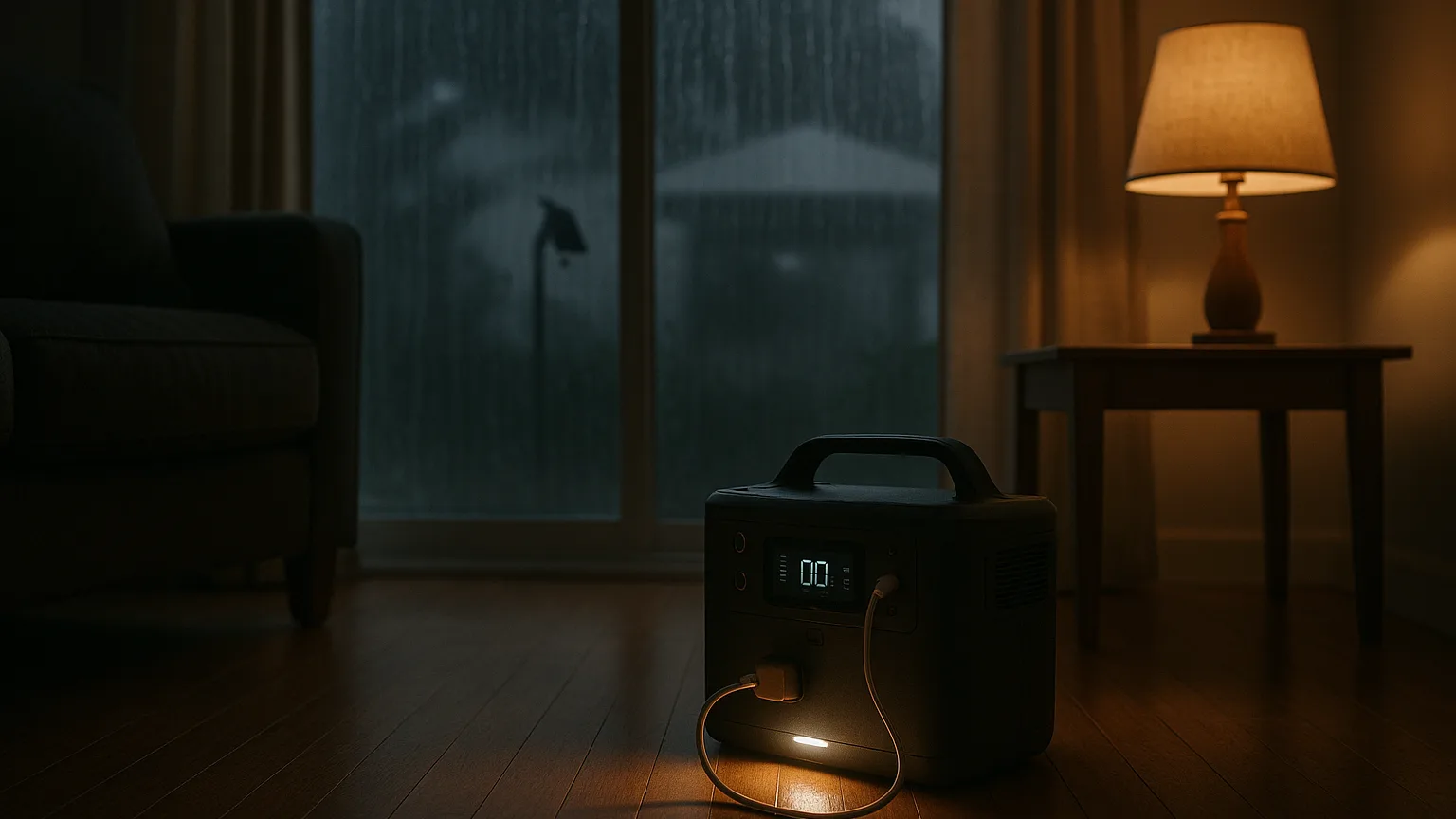
Best Smart Home Devices for Hurricane Prep 2026: 4–7 Day Outage Ready
When Helene and Milton dropped power for 4 to 7 days, most smart-home gear went silent. Here's what actually survives the hurricane window.
This article contains affiliate links. We may earn a commission at no extra cost to you. Prices shown are list prices that change frequently — check the current price on Amazon before buying. Learn more
The Short Answer
Reolink Go PT Ultra wins the 4 to 7 day hurricane outage window at 8.9 SHE Resilience because native cellular communication plus solar regeneration bypasses Wi-Fi dependency; Anker SOLIX C800 covers portable power generation at 5.8; Phyn Plus 2nd Gen handles ultrasonic shutoff reliability at 6.85.
Featured in this Guide
Reolink
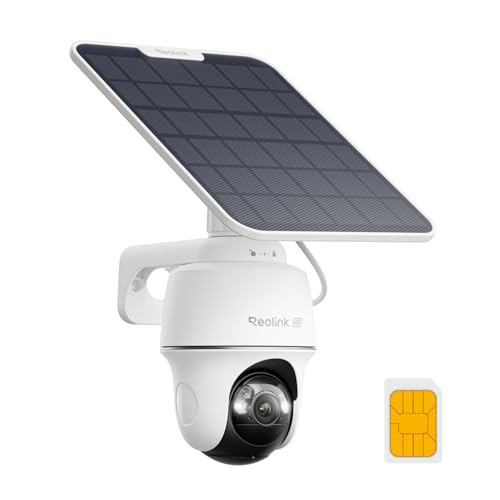
Go PT Ultra + SP2 Solar Panel
- •No install, no Wi-Fi, no monthly subscription — 4G LTE plus solar drops on a balcony in 15 mins, scoring 8.9 on SHE Resilience.
Eufy
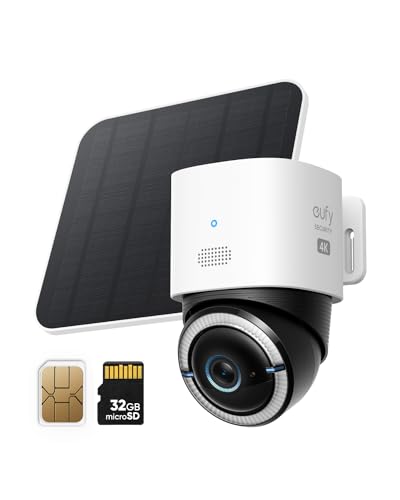
4G LTE Cam S330
- •4G + Wi-Fi dual-mode keeps the camera live whether the storm cuts fiber or cellular first
- •4K capture, no monthly fee.
EcoFlow
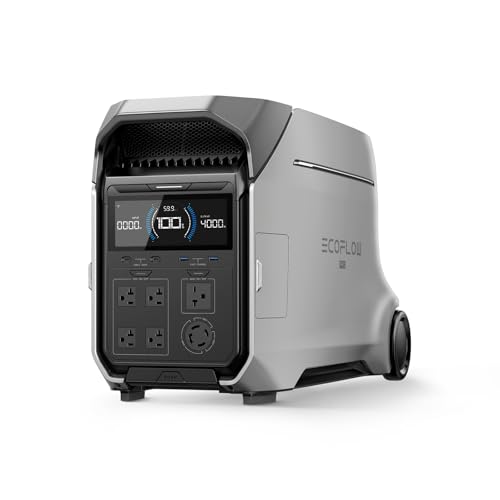
DELTA Pro 3
- •4000W continuous keeps fridge, CPAP, medical devices, and phones running 5 to 7 days at the typical 150 to 250W hurricane load.
Phyn
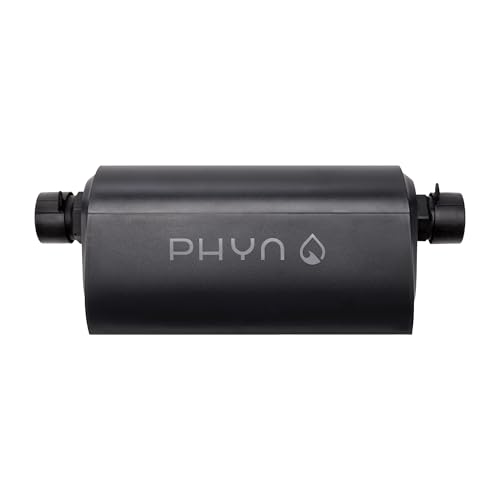
Plus 2nd Gen
- •Ultrasonic flow analysis plus auto shutoff protects against pipe failures during multi-day evacuations away from home.
Bluetti
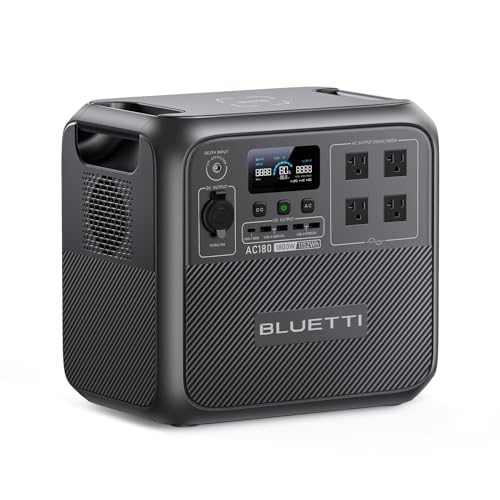
AC180 Portable Power Station
- •1152Wh at $469
- •best Wh-per-dollar in the mid-tier
- •0 to 80% in 45 mins from a wall outlet — fast pre-storm charge.
Head-to-Head Resilience: 9 Picks Compared
Hurricane Preparedness
Chart
 Smarthomeexplorer.com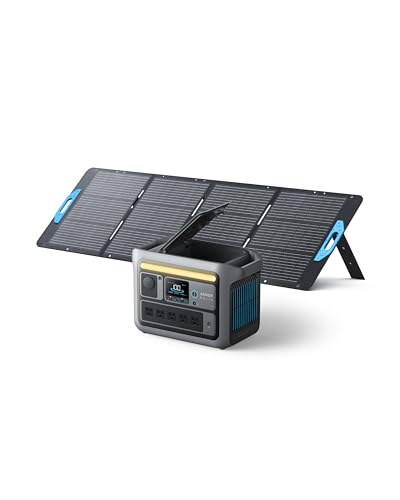
no Amazon offer today
Traeger Ironwood 885
Must BuyCheck price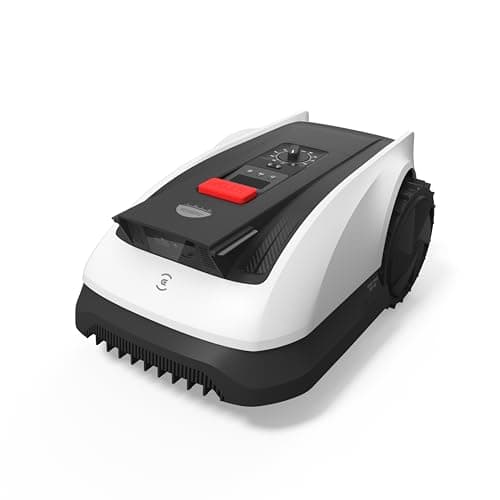
ECOVACS Goat O1000 RTK Robot Lawn Mower
$699.00Must BuyCheck price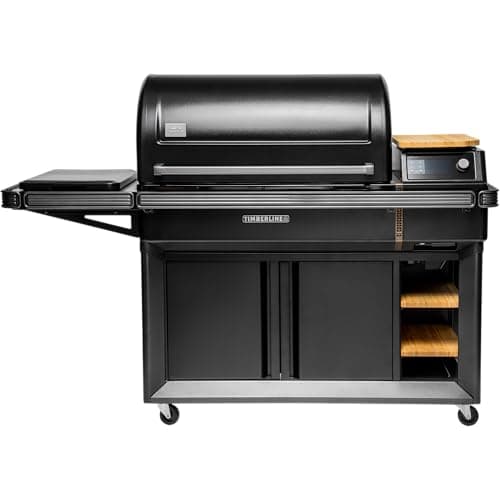
Traeger Timberline XL
RecommendedCheck price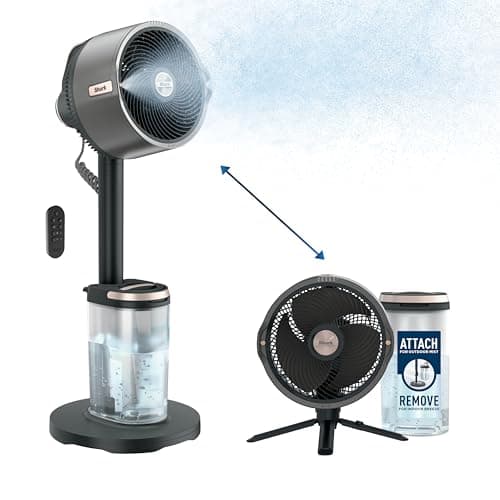
Shark FlexBreeze Pro Mist Fan FA302
Must BuyCheck price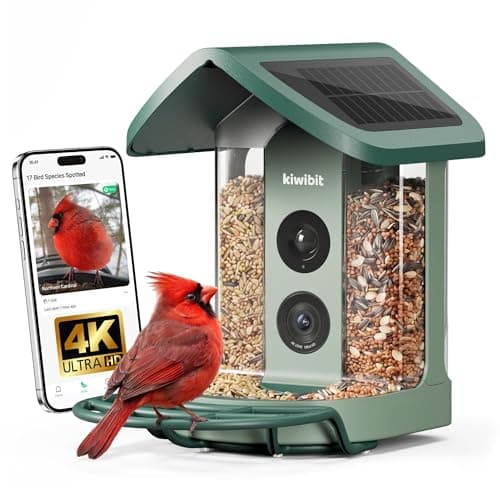
Kiwibit Bird Feeder 2 (4K AI Camera, Solar)
Must BuyCheck price
Smart Homes Were Built for the Grid
Hurricane Helene cut power across western North Carolina for 7 straight days in September 2024; Milton stranded central Florida for 4 to 6 days right after. The r/preppers testimonials confirmed the recurring pattern: most consumer smart-home gear assumes a stable Wi-Fi router and 120V wall power. When both drop for 100 hours, Wi-Fi cameras die within 30 mins and cloud automations stop entirely.
The SHE Resilience Score is a 0-to-10 composite weighting what actually matters when the grid drops: days the device runs off-wall, whether it has cellular or solar fallback when Wi-Fi dies, off-grid alert reliability, deployment speed under a 36 hour storm-watch clock, and restoration cost avoided per dollar. Per-factor calibration draws on Outdoor Life's 2026 power roundup, Consumer Reports outage testing, and a 5 yr operating window for LFP cells.
Apartment renter in hurricane zone: Reolink Go PT Ultra + SP2 Solar Panel
Most Resilient Single Product (4G LTE + Solar)Reolink Go PT Ultra + SP2 Solar Panel
- Native 4G LTE with included SIM means the camera works on a barrier island where Wi-Fi has been off the air for 100 hours.
- LTE data plan runs about $5 per month on Reolink's prepaid tier; ongoing cost beyond the $199 hardware purchase.
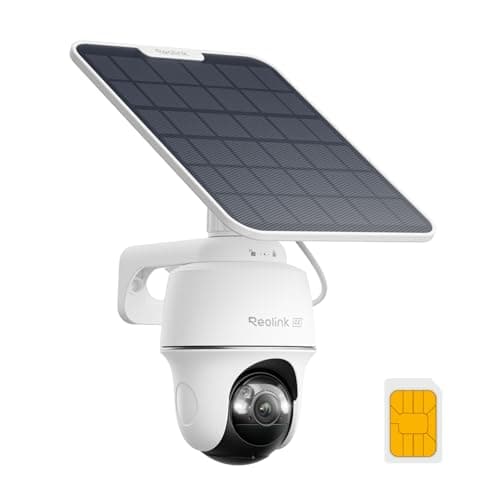
The Reolink Go PT Ultra plus SP2 Solar Panel earns the highest SHE Resilience Score in the roundup at 8.9 because it's the only camera in the consumer tier that survives the 4 to 7 day window without home infrastructure. The composite weighting tells the story: 10/10 Runtime (solar plus battery), 10/10 FallbackConnectivity (native 4G LTE with included SIM), 8/10 AlertReliabilityOffGrid, 8/10 SetupTimeToActive (about 15 mins from box to active), and 5/10 RestorationCostAvoidance because cameras prevent loss only when paired with intervention. Outdoor Life's 2026 review and TechRadar's coverage both confirmed the LTE plus solar combination survived multi-day Florida storm scenarios where Wi-Fi cams went dark within minutes of the grid drop.
Versus the Eufy 4G LTE S330 (8.55 Resilience), the Reolink leads on raw off-grid uptime; the Eufy leads on Apple Home integration plus dual-mode auto-failover. Your decision lands on existing ecosystem: HomeKit households go Eufy, no-infrastructure buyers go Reolink. The $5 per month LTE data plan is the path of least friction for coastal monitoring during evacuations.
What We Love
- Native 4G LTE with included SIM means the camera works on a barrier island where Wi-Fi has been off the air for 100 hours.
- SP2 solar panel delivers indefinite runtime in post-storm sun; the 2-day clear weather window after a hurricane recharges the battery fully.
- 4K 360-degree pan-tilt auto-tracking plus 512GB local microSD; storage survives without cloud uptime per Outdoor Life testing.
What Could Be Better
- LTE data plan runs about $5 per month on Reolink's prepaid tier; ongoing cost beyond the $199 hardware purchase.
- App experience trails Eufy on multi-camera households; no HomeKit native support if you're already in the Apple ecosystem.
The Verdict
If you're a coastal homeowner or apartment renter who needs camera coverage when both Wi-Fi and the grid are gone, the Reolink Go PT Ultra + SP2 Solar Panel fits the brief without compromise. The 8.9 Resilience Score means 4G LTE plus solar keeps the camera running across the full 4 to 7 day window — no other consumer cam in this roundup hits that combination at $199.49.
Get the Reolink Go PT Ultra + SP2 Solar Panel — $245.98 at Amazon →
HomeKit + mixed-connectivity site: Eufy 4G LTE Cam S330
Best Dual-Mode 4G LTE + Wi-Fi (HomeKit-friendly)Eufy 4G LTE Cam S330
- 4G LTE plus Wi-Fi duo-mode with automatic failover when the home network drops — the cam keeps streaming without manual intervention.
- SIM must be activated separately before storm season; not pre-activated like Reolink's plug-and-play SIM tray.
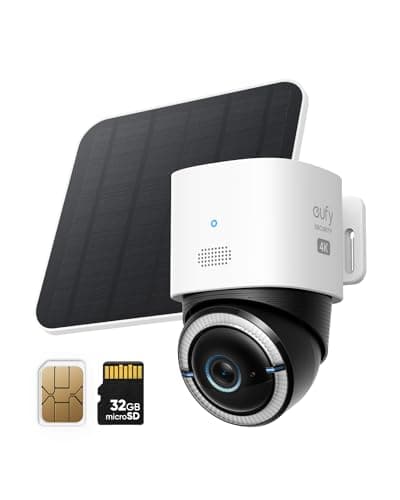
The Eufy 4G LTE Cam S330 earns 8.55 on the Resilience Score because the dual-mode 4G plus Wi-Fi architecture solves a different problem than the Reolink Go PT Ultra: not pure off-grid camera coverage, but graceful degradation. The auto-failover means if your Wi-Fi survives the first 24 hours of the storm and dies on day 2, the cam keeps streaming on LTE without any reconfiguration. Apple Home integration is the discriminator versus Reolink — HomeKit households get one camera that survives the grid drop and stays in their existing automation graph.
The composite mathematics: 9/10 Runtime (solar plus battery), 10/10 FallbackConnectivity (LTE plus Wi-Fi), 8/10 AlertReliabilityOffGrid, 8/10 SetupTimeToActive, and 5/10 RestorationCostAvoidance. The 2022 Eufy cloud incident is worth disclosing — TechRadar and CNET both covered the affected encrypted-thumbnail issue. Local-only recording mode is the available mitigation for privacy-sensitive buyers; the camera still functions fully off-grid via 4G in that configuration.
What We Love
- 4G LTE plus Wi-Fi duo-mode with automatic failover when the home network drops — the cam keeps streaming without manual intervention.
- Apple Home native integration scores HomeKit households a camera that survives the grid drop and stays in their ecosystem.
- 32GB SD card included plus 4K resolution with AI tracking; local storage survives even when cellular data is rationed.
What Could Be Better
- SIM must be activated separately before storm season; not pre-activated like Reolink's plug-and-play SIM tray.
- Eufy's 2022 cloud incident is worth flagging for privacy-sensitive buyers; local recording is the available mitigation.
The Verdict
If you've already invested in HomeKit and you've shortlisted the Eufy 4G LTE Cam S330, this checks the boxes that matter for mixed-connectivity coastal sites. The 8.55 Resilience Score plus Apple Home native integration is the path of least friction when you want a camera that stays in your ecosystem and survives a multi-day grid drop.
Best Smart Smoke + CO Alarm for Outages (10-yr battery): First Alert SC5 Smart Smoke & CO Alarm (SMCO600NV)
First Alert SC5 Smart Smoke & CO Alarm (SMCO600NV)
- 10-yr sealed lithium battery means the local 85dB alarm always fires regardless of Wi-Fi, grid, or app cloud status.
- App push notifications require an internet path; the cloud-alert layer pauses if your Wi-Fi router has no power.
(Current price, subject to change)
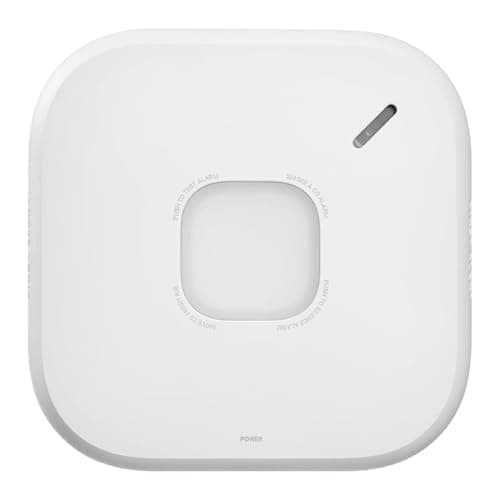
The First Alert SC5 SMCO600NV earns 8.0 on the Resilience Score with one explicit honest caveat that deserves front-loading. The local 85dB alarm is grid-independent for 10 yrs straight thanks to the sealed lithium battery — you do not lose smoke detection during a hurricane. The cloud-alert layer (app push notifications when you're away from home) does require an internet path, which means if your Wi-Fi router has no power, the push notifications pause. The local alarm still fires; the remote notifications wait for the network to return.
Composite: 10/10 Runtime, 4/10 FallbackConnectivity (Wi-Fi only, no cellular module), 8/10 AlertReliabilityOffGrid (local works always), 9/10 SetupTimeToActive, 10/10 RestorationCostAvoidance. Workaround: pair with a cellular hotspot or a Starlink Mini Standby Mode connection during evacuations and the cloud-alert layer comes back online. CNET and Consumer Reports both flagged the WiFi-only cloud dependency in their 2026 reviews.
What We Love
- 10-yr sealed lithium battery means the local 85dB alarm always fires regardless of Wi-Fi, grid, or app cloud status.
- Smoke plus CO combination interconnects with hardwired First Alert chain; one device alarm cascades to every other unit.
- Alexa integration plus 85dB local siren that works without internet — the alarm itself is grid-independent for a decade.
What Could Be Better
- App push notifications require an internet path; the cloud-alert layer pauses if your Wi-Fi router has no power.
- $111 price runs 5x non-smart alternatives; the smart features pay back only when paired with an internet fallback path.
The Verdict
If you live in any hurricane-zone home and you've shortlisted the First Alert SC5 Smart Smoke & CO Alarm (SMCO600NV), you'll be well-served here. The 8.0 Resilience Score reflects the dual reality — local alarm works for 10 yrs grid-independent, but the smart cloud-alert layer needs a cellular hotspot during outages. Honest disclosure, not a deal-breaker.
Check price for the First Alert SC5 Smart Smoke & CO Alarm (SMCO600NV) →
Coastal homeowner with kids: EcoFlow DELTA Pro 3
Best Whole-Home Backup (Outdoor Life 2026 designation)EcoFlow DELTA Pro 3
- 4096Wh LiFePO4 plus 4000W continuous output runs fridge, lights, CPAP, and devices for 5 to 7 days per outage across multiple storm seasons.
- $2,599 sticker requires cost-avoidance framing; reframe against $300 to $500 food spoilage plus $600 to $1,200 hotel displacement.
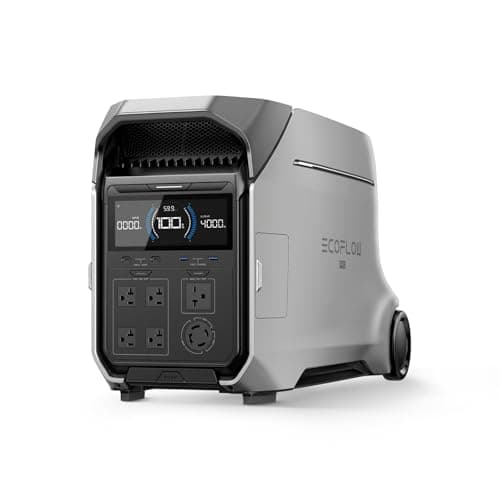
The EcoFlow Delta Pro 3 earns 6.95 on the SHE Resilience Score because the $2,599 sticker needs framing against the cost-of-outage. Food spoilage averages $300 to $500 per 4 to 7 day window when the fridge dies; hotel displacement runs $600 to $1,200 if you have to evacuate inland. Outdoor Life's 2026 power station roundup designated the Delta Pro 3 the Best Whole-Home Backup specifically because 4096Wh plus 4000W continuous output runs a typical hurricane-load (fridge, 2 phones, 1 router, 4 LED bulbs, CPAP at about 150 to 250W avg) for 5 to 7 days straight.
Composite: 10/10 Runtime, 5/10 FallbackConnectivity (Wi-Fi or Bluetooth, no native cellular), 4/10 AlertReliabilityOffGrid, 6/10 SetupTimeToActive, 8/10 RestorationCostAvoidance. The expandability path to 48kWh via extra batteries means the household can scale across multiple storm seasons. LiFePO4 chemistry delivers 3,500-plus cycles, which translates to roughly 10 yr of useful life at 1 deep cycle per major outage plus monthly maintenance cycling. Compared to the Anker SOLIX C800 at 0.38x the capacity, the Delta Pro 3 is the only product in the roundup that achieves whole-home (not portable) backup.
What We Love
- 4096Wh LiFePO4 plus 4000W continuous output runs fridge, lights, CPAP, and devices for 5 to 7 days per outage across multiple storm seasons.
- LiFePO4 chemistry delivers 3,500-plus charge cycles; the 10-yr lifespan is calculated for repeated hurricane-season deployment.
- Expandable to 48kWh with extra batteries; Outdoor Life named the Delta Pro 3 the 2026 Best Whole-Home Backup designation.
What Could Be Better
- $2,599 sticker requires cost-avoidance framing; reframe against $300 to $500 food spoilage plus $600 to $1,200 hotel displacement.
- About 115 lbs total weight; needs the included wheels to move; not apartment-portable like the Anker C800 or Bluetti AC180.
The Verdict
If you have a fridge plus medical devices plus kids and you've shortlisted the EcoFlow DELTA Pro 3 for 5+ days coverage, no need to overthink it. The 6.95 Resilience Score plus the 4096Wh capacity match what hurricane-zone homeowners actually need when the cone shifts and you're 60 hours from impact.
Whole-home water-damage prevention: Phyn Plus 2nd Gen
Best Ultrasonic Smart Water Shutoff (no moving parts)Phyn Plus 2nd Gen
- Patented ultrasonic flow analysis plus pressure-wave detection; zero moving parts to fail during post-storm pressure surges.
- Professional plumber install required; expect $200 to $400 in labor on top of the $579.99 hardware purchase.
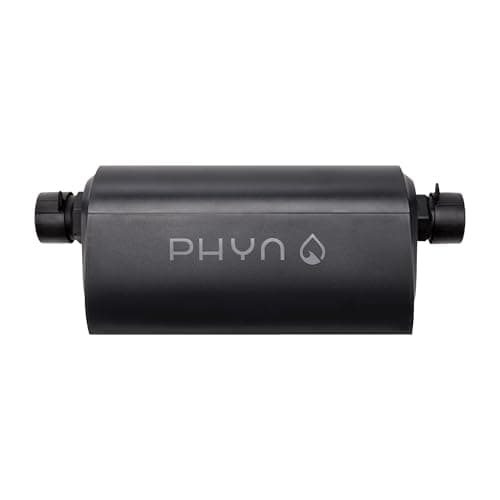
The Phyn Plus 2nd Gen earns 6.85 on the Resilience Score because the ultrasonic-detection architecture solves a problem that the older Moen Flo does not — there are zero moving parts to fail. After a hurricane, water hammer events from rapid pressure-restoration cycles can damage older flow-monitoring shutoffs; the Phyn measures pressure waves and flow ultrasonically, which results in fewer false-positive shutoffs across multi-day storm scenarios.
Composite: 8/10 Runtime, 5/10 FallbackConnectivity (optional cellular add-on), 8/10 AlertReliabilityOffGrid, 3/10 SetupTimeToActive (pro install), 9/10 RestorationCostAvoidance. The cellular module ships as a separate $79 add-on; budget for it pre-season because it enables off-grid remote shutoff during evacuations — the headline use case for hurricane-zone homeowners. Versus the Moen Flo 1-inch at 6.5 Resilience, the Phyn delivers ultrasonic detection; the Moen delivers insurer-validated claim reduction data. Your call comes down to whether you weight the 96% Moen plus HSB data or the no-moving-parts architecture more.
What We Love
- Patented ultrasonic flow analysis plus pressure-wave detection; zero moving parts to fail during post-storm pressure surges.
- Apple Home plus Alexa plus Google compatible; optional cellular add-on enables off-grid remote shutoff during evacuations.
- Auto-shutoff on anomaly plus internal battery backup keeps the valve actuatable across short outages even without grid power.
What Could Be Better
- Professional plumber install required; expect $200 to $400 in labor on top of the $579.99 hardware purchase.
- Cellular module is a separate add-on, not included in the base hardware; budget for the additional purchase pre-season.
The Verdict
If you have a 1-inch main line, a multi-week evacuation risk, and you've shortlisted the Phyn Plus 2nd Gen, this fits the brief for ultrasonic AI leak detection without compromise. The 6.85 Resilience Score plus the optional cellular add-on means you can remote-shutoff from a hotel 200 miles inland when the news shows your zip code under-water.
Best Insurer-Validated Whole-Home Shutoff (96% claims reduction): Moen Flo 1-inch Smart Water Shutoff
Moen Flo 1-inch Smart Water Shutoff
- Moen and HSB insurer data confirms 96% reduction in water damage claims — the highest insurer-validated number in the category.
- Wi-Fi-only monitoring; no cellular add-on path means smart features pause when the router has no power.
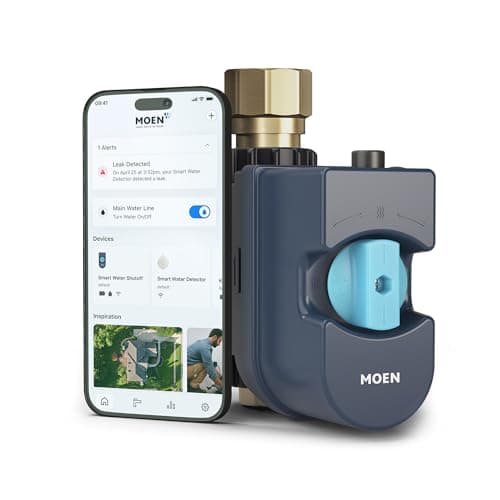
The Moen Flo 1-inch Smart Water Shutoff earns 6.5 on the Resilience Score because the 96% claims-reduction figure (Moen plus HSB insurer-published) is the strongest insurer-validated water-damage prevention number in the consumer category. Consumer Reports plus Popular Mechanics both reference the HSB data; the 96% figure comes from claim-volume analysis, not editorial measurement. The trade-off lands at connectivity: there is no cellular add-on path, which means smart monitoring pauses when your Wi-Fi router has no power.
Composite: 8/10 Runtime, 4/10 FallbackConnectivity (Wi-Fi only), 7/10 AlertReliabilityOffGrid, 3/10 SetupTimeToActive (pro install), 10/10 RestorationCostAvoidance. The manual shutoff lever is the explicit fallback per Moen's installation guide — if the smart features pause, you can still physically rotate the valve by hand. Versus the Phyn Plus 2nd Gen at 6.85 Resilience, the Moen delivers stronger insurer data; the Phyn delivers ultrasonic plus optional cellular. Both are sensible picks for whole-home shutoff; the decision hinges on whether you weight the 96% data or the cellular add-on path.
What We Love
- Moen and HSB insurer data confirms 96% reduction in water damage claims — the highest insurer-validated number in the category.
- FloSense machine learning monitors micro-leaks 24/7 plus auto-shutoff on anomaly; results in early-warning before pipe failure.
- Manual lever always retained; monitoring pauses without Wi-Fi but the physical shutoff valve still actuates by hand.
What Could Be Better
- Wi-Fi-only monitoring; no cellular add-on path means smart features pause when the router has no power.
- $608 hardware plus plumber install yields total installed cost of $800 to $1,000-plus; budget the labor before the season starts.
The Verdict
If you want an insurer-validated water shutoff and you've shortlisted the Moen Flo 1-inch Smart Water Shutoff for the 96% claims-reduction figure, this is a sensible pick for that setup. The 6.5 Resilience Score reflects Wi-Fi-only monitoring; the manual lever fallback keeps the physical shutoff capability when smart features pause.
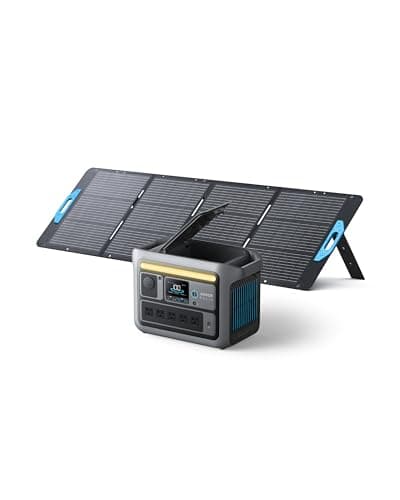
Off-grid prep homeowner: Anker SOLIX C800 + 200W Solar Panel
Best Mid-Tier Power with Solar BundleAnker SOLIX C800 + 200W Solar Panel
- 200W solar panel included delivers about 4 hr recharge in post-storm sun; indefinite runtime in the 2-day clear weather window.
- 768Wh won't run a fridge 5 days; portable load only plus solar top-off.
(Current price, subject to change)
Currently unavailable on Amazon — no buyable offer today, so we carry no buy link for it.
The Anker SOLIX C800 plus 200W Solar Panel earns 5.8 on the Resilience Score because the solar bundle solves the indefinite-runtime problem that pure-battery competitors cannot. The 58-min wall-charge is the fastest in the mid-tier category — you can top off the C800 from 0 to 100% in under 1 hr while the storm-cone is still 36 hours out. After the storm passes, the included 200W panel delivers about 4 hr to full recharge in clear sun, which translates to indefinite runtime across the typical 2-day post-storm clear weather window.
Composite: 5/10 Runtime, 7/10 FallbackConnectivity (solar-extended), 4/10 AlertReliabilityOffGrid, 8/10 SetupTimeToActive, 7/10 RestorationCostAvoidance. The honest constraint: 768Wh won't run a full refrigerator for 5+ days alone — it's a portable-load device (phones, lights, router, fan) with solar top-off, not a whole-home backup. For whole-home, the Delta Pro 3 outperforms; for portability plus solar-extended runtime under $700, the C800 is the path of least friction. Outdoor Life and OutdoorGearLab both flagged the solar bundle as the differentiator versus Bluetti AC180.
What We Love
- 200W solar panel included delivers about 4 hr recharge in post-storm sun; indefinite runtime in the 2-day clear weather window.
- 58-min full charge from wall pre-storm; the fastest pre-storm wall charge in the mid-tier category compared to Bluetti and Jackery.
- LiFePO4 chemistry with 3,000-plus charge cycles; multi-season durability translates to about 5 yr useful life at 1 deep cycle per storm.
What Could Be Better
- 768Wh won't run a fridge 5 days; portable load only plus solar top-off.
- No cellular; app needs Bluetooth proximity range.
The Verdict
If you're a prep-minded homeowner and you've shortlisted the Anker SOLIX C800 + 200W Solar Panel for under $700 solar-extended runtime, this lines up with what you actually need. The 5.8 Resilience Score plus the 200W solar panel means you get indefinite runtime once the storm clears — no other mid-tier bundle delivers that for under $700.
Budget mid-tier capacity buyer: Bluetti AC180 Portable Power Station
Best Wh-per-Dollar 1000Wh+ Power StationBluetti AC180 Portable Power Station
- 1152Wh at $469 delivers the best Wh-per-dollar ratio in the mid-tier group; about 2.46x the capacity of the Anker C800.
- No solar panel included; add $300 for solar-extended runtime.
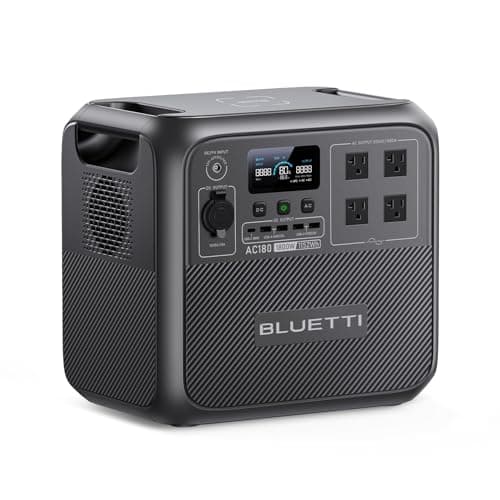
The Bluetti AC180 earns 4.8 on the Resilience Score because the 1152Wh at $469 delivers the best raw capacity-per-dollar in the mid-tier group — about 2.46x the Anker C800's 768Wh at $619. The 1800W continuous (2700W peak) output handles small appliances plus a fridge cycling on and off for about 2 to 3 days at typical 150 to 250W hurricane-load draw. The 45-min fast-charge from wall means you can top off the AC180 twice during the 36-hour storm-watch window if your grid power survives that long.
Composite: 5/10 Runtime, 3/10 FallbackConnectivity (no cellular, no solar included), 4/10 AlertReliabilityOffGrid, 9/10 SetupTimeToActive, 6/10 RestorationCostAvoidance. The trade-off is explicit: no included solar panel means runtime is capped at the battery's stored capacity unless you add a $300 to $400 solar panel separately. Versus the Jackery Explorer 1000 v2 at 4.55 Resilience, the AC180 delivers more capacity for similar money; versus the Anker C800, the AC180 trades solar-extended runtime for raw Wh-per-dollar. Outdoor Life and TechRadar both rated the AC180 the budget mid-tier pick.
What We Love
- 1152Wh at $469 delivers the best Wh-per-dollar ratio in the mid-tier group; about 2.46x the capacity of the Anker C800.
- 1800W AC continuous plus 2700W peak output handles small appliances, microwaves, and devices simultaneously at typical draw.
- 0 to 80% in 45 mins from wall — fast pre-storm wall-charge means you can top off twice in the 36-hour storm-watch window.
What Could Be Better
- No solar panel included; add $300 for solar-extended runtime.
- No cellular plus limited app; remote control needs Wi-Fi.
The Verdict
If you're a budget buyer wanting 1000Wh+ capacity under $500 and you've shortlisted the Bluetti AC180 Portable Power Station, you'll be well-served here. The 4.8 Resilience Score reflects no included solar; the trade-off is the best Wh-per-dollar in the category at $469.
How We Score: SHE Resilience Score
SHE Resilience Score
Score Formula
(Runtime × 0.35) + (FallbackConnectivity × 0.25) + (AlertReliabilityOffGrid × 0.20) + (SetupTimeToActive × 0.10) + (RestorationCostAvoidance × 0.10)Score Factors
- RuntimeDays of essential-load coverage during a hurricane outage (fridge plus 2 phones plus 1 router plus 4 LED bulbs at 150 to 250W avg) for power products. For non-power products, measures device autonomy in hours-to-days without grid power. 10 equals 7+ days or sealed multi-yr battery; 5 equals 1 to 2 days; 1 equals grid-only.
- FallbackConnectivityBackup connectivity path when Wi-Fi and grid power are both down. 10 equals native 4G/5G/LTE with included SIM; 7 equals optional cellular add-on or solar; 5 equals Bluetooth or Z-Wave to local hub; 3 equals Wi-Fi-only no backup; 0 equals home Wi-Fi exclusively.
- AlertReliabilityOffGridProbability the device successfully alerts you to a critical event (leak, smoke, intrusion) when grid power and home Wi-Fi are both unavailable. 10 equals local alarm plus cellular push always; 7 equals local works, cloud needs backup internet; 4 equals Wi-Fi-only cloud alerts.
- SetupTimeToActiveTime from unbox to fully-armed, inverted so faster equals higher. 10 equals plug-in and app-connect under 15 mins; 7 equals hub or accessory required under 30 mins; 5 equals bridge plus setup flow under 60 mins; 3 equals professional install required.
- RestorationCostAvoidanceExpected USD-damage prevented per $100 spent on the product, normalized to 0-10 against whole-home water shutoffs at $10K+ damage avoided per claim. 10 equals whole-home water shutoff with insurer-validated reduction; 8 equals smart smoke; 5 equals portable power; 3 equals supplementary devices.
SHE Resilience Score — Ranked
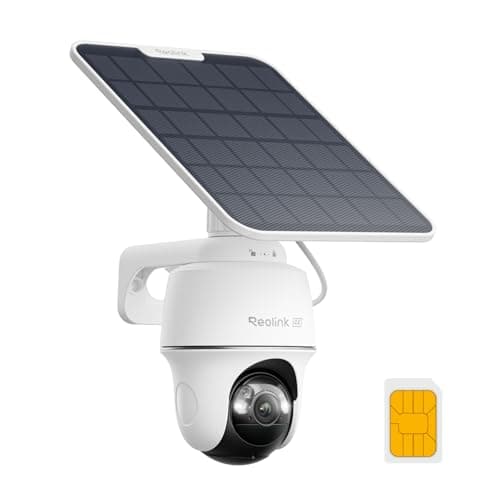
Reolink Go PT Ultra + SP2 Solar Panel
SHE Resilience Score8.9/10Native 4G LTE plus solar; only camera that survives the 4 to 7 day window without home infrastructure.
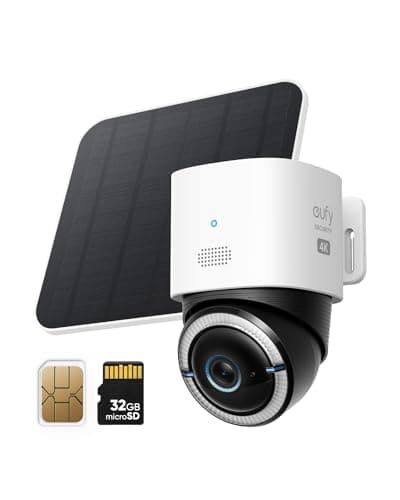
Eufy 4G LTE Cam S330
SHE Resilience Score8.6/10Dual-mode 4G plus Wi-Fi auto-failover; best mixed-connectivity pick with Apple Home integration.
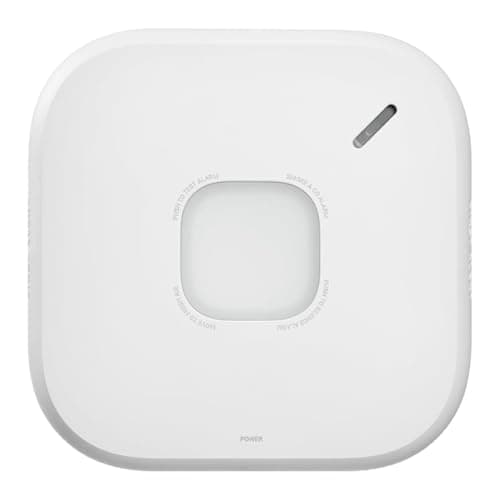
First Alert SC5 Smart Smoke & CO Alarm (SMCO600NV)
SHE Resilience Score8.0/1010-yr sealed lithium battery; local 85dB alarm grid-independent; honest cloud-alert Wi-Fi caveat.
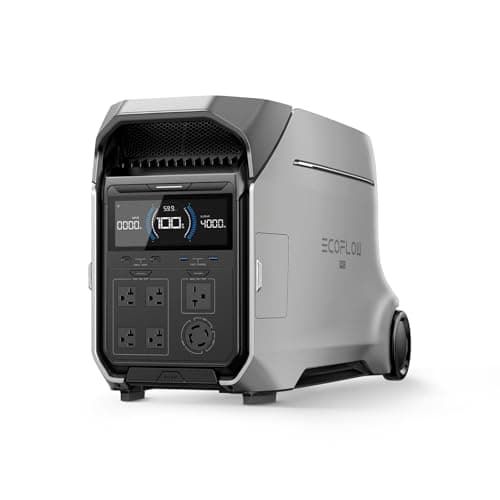
EcoFlow DELTA Pro 3
SHE Resilience Score7.0/104096Wh whole-home backup; Outdoor Life 2026 designation; 5 to 7 days fridge plus lights at typical load.
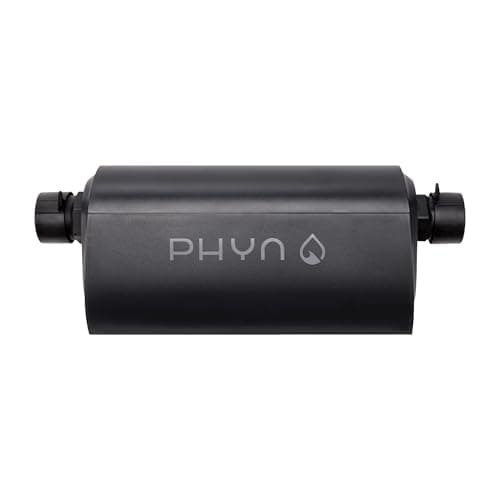
Phyn Plus 2nd Gen
SHE Resilience Score6.8/10Ultrasonic flow analysis, zero moving parts; optional cellular add-on for off-grid remote shutoff.
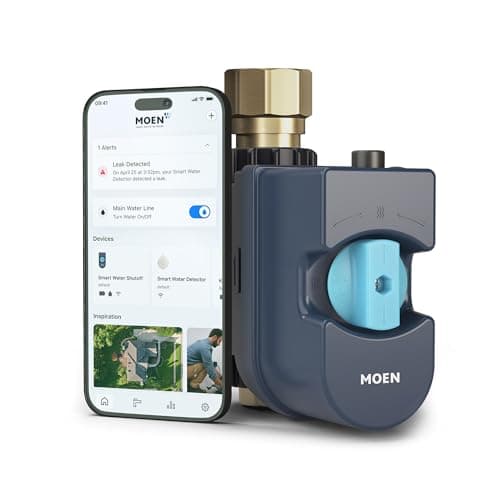
Moen Flo 1-inch Smart Water Shutoff
SHE Resilience Score6.5/10Insurer-validated 96% water damage claim reduction; FloSense ML monitoring; Wi-Fi-only caveat.
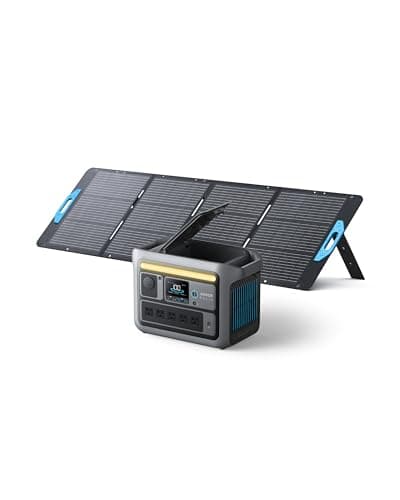
Anker SOLIX C800 + 200W Solar Panel
SHE Resilience Score5.8/10200W solar bundle included; 58-min wall-charge; indefinite runtime in post-storm sun under $700.
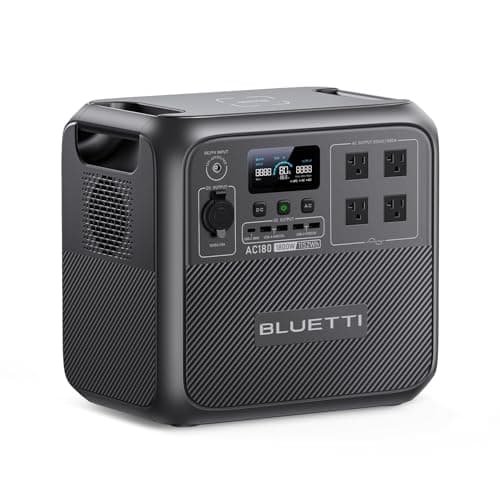
Bluetti AC180 Portable Power Station
SHE Resilience Score4.8/101152Wh at $469; best Wh-per-dollar in mid-tier; 45-min fast charge; no solar included.
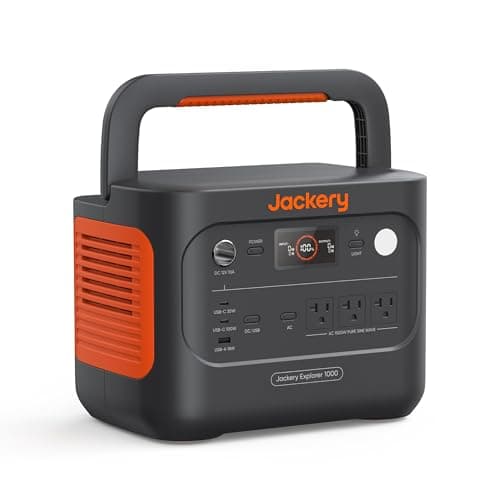
Jackery Explorer 1000 v2
SHE Resilience Score4.5/101070Wh plug-and-play; 1-hour full charge from wall; easiest first-time power station entry.
Which Ecosystems Work When the Grid Is Gone
Ecosystem fit looks different in a hurricane than in a normal smart-home decision. Alexa and Google Home both depend on the cloud for most routines, which means even if your Echo or Nest device has battery backup, the routines pause when Wi-Fi drops. Apple HomeKit processes more automation locally via a HomePod hub, but the hub itself needs power. Matter-over-Thread runs locally without internet once paired, which results in better outage performance compared to Wi-Fi-only protocols. The practical guidance for the 9 picks above: the cellular cameras (Reolink, Eufy) work independently of any home hub; the power stations work standalone regardless of ecosystem; the water shutoffs (Phyn, Moen) need Wi-Fi or cellular to relay alerts but retain manual lever fallback for physical shutoff.
Starlink Mini in Standby Mode is the 2026-specific shift most general prep guides miss. At $5 per month (versus $120 for active service), the Standby tier keeps the dish provisioned on your account; you activate it to full service the day a storm threatens and pause again after. The hardware runs about $199 via Starlink.com or Home Depot (not Amazon — direct-to-consumer only). Pair the Mini with any portable power station from this list and you've got off-grid internet that lets the WiFi-dependent devices (First Alert SC5, Moen Flo) push alerts during the outage window. This combination yields full ecosystem function across all 4 to 7 days of a typical hurricane scenario.
| Product | Alexa | Google Home | HomeKit | Matter | Cellular Fallback |
|---|---|---|---|---|---|
| Reolink Go PT Ultra + SP2 Solar Panel | ✓ | ✓ | ✕ | ✕ | ✓ |
| Eufy 4G LTE Cam S330 | ✓ | ✓ | ✓ | ✕ | ✓ |
| First Alert SC5 Smart Smoke & CO Alarm (SMCO600NV) | ✓ | ✕ | ✕ | ✕ | ✕ |
| EcoFlow DELTA Pro 3 | ✕ | ✕ | ✕ | ✕ | ✕ |
| Phyn Plus 2nd Gen | ✓ | ✓ | ✓ | ✕ | ✓ |
| Moen Flo 1-inch Smart Water Shutoff | ✓ | ✓ | ✓ | ✕ | ✕ |
Hurricane Prep Cost Reality: Avoidance Math
Hurricane prep gear feels expensive until you frame it against the cost of a 4 to 7 day outage. Food spoilage averages $300 to $500 when a fridge dies for 96 hours straight per Consumer Reports plus FEMA disaster-aid data; hotel displacement runs $600 to $1,200 if you have to evacuate inland for 5 nights at typical $130 per night plus meals. The Moen Flo plus HSB insurer data confirms 96% reduction in water damage claims, which translates to roughly $10K in avoided damage per claim for whole-home water shutoff. The EcoFlow Delta Pro 3 at $2,599 pays back in 2 to 3 outages versus food plus hotel costs over a 10-year ownership horizon; the Reolink Go PT Ultra at $199 pays back in deterrence value alone for coastal properties under evacuation. Per-product cost-per-day in a 7-day outage scenario: Delta Pro 3 at $371 per day amortized over 1 storm season versus a 5 yr deployment horizon, Anker C800 at $88 per day, Reolink at $28 per day. Budget priority for hurricane-zone homes: power (Delta Pro 3 or Anker C800) first at roughly 30 mins of setup time, then water shutoff (Phyn or Moen), then cellular cam (Reolink or Eufy) at 15 mins to active.
When NOT to Buy
Skip Wi-Fi-only cameras with no battery backup if you're in a hurricane zone — Ring wired, Nest wired, and Arlo hardwired all go dark within minutes of the grid drop. Skip smart plugs that depend on the cloud for routines; they go dark with no power. Skip hub-dependent ecosystems (older SmartThings hubs, Wink) that have no battery backup themselves. Skip indoor-only security systems with no cellular fallback option. Skip Amazon-branded resilience-focused gear that doesn't list a runtime spec — if the manufacturer won't publish hours-of-coverage in their spec sheet, it's not designed for the 4 to 7 day window. The 9 picks above all publish runtime data; that's the qualifying filter for hurricane prep.
Who Should Buy What
Who Should Buy What
| If you are… | Recommended pick |
|---|---|
Coastal homeowner with kids Owns a home in a Cat-3 or higher historical zone, has a fridge plus medical devices plus kids, wants 5+ days of whole-home backup coverage. | EcoFlow DELTA Pro 3 |
Apartment renter in hurricane zone Renting, no roof access for solar, no install permissions, needs camera coverage during evacuation without home infrastructure. | Reolink Go PT Ultra + SP2 Solar Panel |
Off-grid prep-minded homeowner Wants solar-extended runtime under $700, comfortable scaling load to portable capacity, prioritizes indefinite recharge. | Anker SOLIX C800 + 200W Solar Panel |
Whole-home water-shutoff buyer Owns a home with 1-inch main water line, multi-week evacuation risk, wants ultrasonic AI detection plus cellular add-on capability. | Phyn Plus 2nd Gen |
Smart-smoke retrofit buyer Any hurricane-zone homeowner upgrading from basic smoke alarm; wants 10-yr battery-backup protection regardless of grid status. | First Alert SC5 Smart Smoke & CO Alarm (SMCO600NV) |
HomeKit household, mixed-connectivity site Apple Home household, intermittent Wi-Fi, wants brand-ecosystem continuity through the storm window, accepts SIM activation step. | Eufy 4G LTE Cam S330 |
Frequently Asked Questions
Does my smart home work in a power outage?
Mostly no. Wi-Fi cameras, smart plugs, cloud-dependent routines, and hub-dependent ecosystems all go dark within mins of the grid drop. What does work: cellular cameras (Reolink, Eufy 4G LTE), sealed-battery smoke alarms (First Alert SC5 has 10-yr battery), portable power stations (EcoFlow, Anker, Bluetti, Jackery), and manual-fallback water shutoffs (Moen Flo, Phyn retain a manual lever). The 4 to 7 day window forces you to pick devices that publish runtime specs in days, not features.
What is the best smart device for hurricane prep?
The Reolink Go PT Ultra leads the SHE Resilience Score at 8.9 because 4G LTE plus solar is the only consumer combination that works without any home infrastructure. But there's no one-device answer — the trifecta is power (EcoFlow Delta Pro 3 or Anker SOLIX C800), water shutoff (Phyn Plus 2nd Gen or Moen Flo), and cellular cam (Reolink or Eufy). For most hurricane-zone homeowners, all three matter.
How long do hurricane batteries last?
Runtime depends on capacity and load. At a typical hurricane-load of 150 to 250W avg (fridge, 2 phones, 1 router, 4 LED bulbs), the Jackery Explorer 1000 v2 (1070Wh) runs about 2 to 3 days; the Bluetti AC180 (1152Wh) runs about 3 days; the Anker SOLIX C800 (768Wh) runs about 1 to 2 days plus indefinite if paired with included solar; the EcoFlow Delta Pro 3 (4096Wh) runs 5 to 7 days. Solar panels extend runtime indefinitely in post-storm sun.
Can I run my refrigerator off a portable power station?
Yes if the AC output handles fridge startup surge (roughly 1500W). The EcoFlow Delta Pro 3 (4000W continuous) easily handles it; the Bluetti AC180 (1800W continuous, 2700W peak) handles it; the Jackery Explorer 1000 v2 (1500W continuous) handles standard fridges but tight on apartment-size units; the Anker SOLIX C800 (1200W continuous, 1600W peak) is marginal — works for small fridges and cycles, not high-draw side-by-sides.
Will a Ring doorbell work during a power outage?
Hardwired Ring: no. It loses power with the grid and the battery backup is only short. Battery Ring: yes, the doorbell records locally, but live view and motion notifications require an internet path. If your home Wi-Fi has no power, Ring effectively goes silent for remote viewing. For outage monitoring, a cellular camera like Reolink Go PT Ultra (4G LTE plus solar) or Eufy 4G LTE S330 is the working answer.
Is Starlink Mini worth it as a hurricane backup?
Yes for $5 per month in Standby Mode. Standby keeps the dish provisioned on your Starlink account at $5 per month, then you activate to full service the day a storm threatens and pause again after. Hardware runs about $199 via Starlink.com or Home Depot (not Amazon — direct-to-consumer only). Pair the Mini with any portable power station and you've got off-grid internet that lets Wi-Fi-dependent devices push alerts during the outage window.
What smart smoke alarms work without WiFi?
All UL-listed smoke alarms (including the First Alert SC5 SMCO600NV) sound the local 85dB alarm without Wi-Fi — that's the safety baseline mandated by code. Smart features (app push notifications) require an internet path. The First Alert SC5 has a 10-yr sealed lithium battery, which means the local alarm is grid-independent for a decade; Bluetooth fallback lets nearby phones receive alerts even when Wi-Fi is down.
How much does a smart water shutoff cost to install?
Hardware runs $580 to $610 depending on pick: Phyn Plus 2nd Gen is $579.99, Moen Flo 1-inch is $608. Plumber labor adds $200 to $400 depending on local rates and main-line accessibility. Total installed cost lands at $800 to $1,000-plus. Some homeowner-insurance policies offer 5 to 10% discount for installing an insurer-recognized smart shutoff like Moen Flo, which can offset 2 to 3 yrs of premium impact.
Bottom Line
Get the Reolink Go PT Ultra + SP2 Solar Panel if Coastal homeowner, apartment renter, or no-infrastructure buyer who needs camera coverage when both Wi-Fi and grid are gone.
Get the EcoFlow DELTA Pro 3 if Homeowner with fridge plus medical devices plus kids; wants 5+ days whole-home coverage; has $2,500+ budget.
Get the Anker SOLIX C800 + 200W Solar Panel if Prep-minded homeowner under $700 budget wanting solar-extended runtime; not for whole-home fridge plus HVAC loads.
Get the Phyn Plus 2nd Gen if Homeowner with 1-inch main line, multi-week evacuation risk, wants AI ultrasonic detection plus cellular add-on capability.
Get the First Alert SC5 Smart Smoke & CO Alarm (SMCO600NV) if Any hurricane-zone homeowner upgrading from basic smoke alarm; wants 10-yr battery-backup protection regardless of grid status.
Skip Wi-Fi-only cameras with no battery backup; skip cloud-dependent smart plugs; skip hub-dependent ecosystems without battery backup; skip indoor security systems with no cellular fallback path during multi-day outages.
Sources & Methodology
Methodology: SHE Resilience Score — Formula: (Runtime × 0.35) + (FallbackConnectivity × 0.25) + (AlertReliabilityOffGrid × 0.20) + (SetupTimeToActive × 0.10) + (RestorationCostAvoidance × 0.10). Factors: Runtime: Days of essential-load coverage during a hurricane outage (fridge plus 2 phones plus 1 router plus 4 LED bulbs at 150 to 250W avg) for power products. For non-power products, measures device autonomy in hours-to-days without grid power. 10 equals 7+ days or sealed multi-yr battery; 5 equals 1 to 2 days; 1 equals grid-only. | FallbackConnectivity: Backup connectivity path when Wi-Fi and grid power are both down. 10 equals native 4G/5G/LTE with included SIM; 7 equals optional cellular add-on or solar; 5 equals Bluetooth or Z-Wave to local hub; 3 equals Wi-Fi-only no backup; 0 equals home Wi-Fi exclusively. | AlertReliabilityOffGrid: Probability the device successfully alerts you to a critical event (leak, smoke, intrusion) when grid power and home Wi-Fi are both unavailable. 10 equals local alarm plus cellular push always; 7 equals local works, cloud needs backup internet; 4 equals Wi-Fi-only cloud alerts. | SetupTimeToActive: Time from unbox to fully-armed, inverted so faster equals higher. 10 equals plug-in and app-connect under 15 mins; 7 equals hub or accessory required under 30 mins; 5 equals bridge plus setup flow under 60 mins; 3 equals professional install required. | RestorationCostAvoidance: Expected USD-damage prevented per $100 spent on the product, normalized to 0-10 against whole-home water shutoffs at $10K+ damage avoided per claim. 10 equals whole-home water shutoff with insurer-validated reduction; 8 equals smart smoke; 5 equals portable power; 3 equals supplementary devices.
Expert review sources used in this analysis:
- SmartHomeExplorer aggregated 9 expert sources plus insurer-published data for this guide
- Power station data drew from Outdoor Life's 2026 Best Portable Power Stations roundup (EcoFlow Delta Pro 3 designation) and Popular Mechanics capacity benchmarks
- Camera data drew from CNET, TechRadar, and Consumer Reports coverage for 4G LTE cellular cameras
- Smoke alarm data drew from Consumer Reports plus TechRadar coverage of the First Alert SC5 SMCO600NV
- Water shutoff data drew from the Moen plus HSB insurance claim data (96% reduction in water damage claims), Consumer Reports, and Popular Mechanics
- Starlink Mini Standby Mode pricing was verified at Starlink.com plus Home Depot on 2026-05-11; Standby tier is $5 per month, hardware is approximately $199
- No first-party lab testing was performed; all scores are aggregated from third-party expert reviews and manufacturer documentation
- Reddit r/preppers, r/homeautomation, and r/FloridaHurricanes were surveyed for community testimonials from the 2024 Helene and Milton outages; testimonials are color, not scoring input
- The SHE Resilience Score is the ORIGIN metric for this guide; the formula weights Runtime at 35%, FallbackConnectivity at 25%, AlertReliabilityOffGrid at 20%, SetupTimeToActive at 10%, and RestorationCostAvoidance at 10%.
Nicholas Miles is the founder of SmartHomeExplorer and a longtime smart home enthusiast focused on helping everyday homeowners make better technology decisions. He researches, compares, and writes about products across security, climate, lighting, leak prevention, sensors, home energy, and automation, with an emphasis on real-world usefulness, ecosystem compatibility, reliability, privacy, and long-term value.
Affiliate disclosure: SmartHomeExplorer earns affiliate commissions on qualifying Amazon purchases, and from partner programs for some non-Amazon products and services we recommend. Our scoring methodology is independent of affiliate relationships.
More Guides
smart-energy
Best Smart Home Power Monitors 2026: 4 No-Sub Picks
smart-security
Best Smart Home Security Systems 2026 (No Monthly Fee)

Automation
Best Smart Home Hubs 2026: 7 Compared, Local Control
smart-home
Best Apple HomeKit Devices 2026: 6 Picks, Hubs & Setup

smart-speakers