
6 Best Philips Hue Alternatives 2026 (No Hub)
You walked into Costco for laundry detergent and walked out with a $200 Hue Starter Kit. Now you need 17 more bulbs, and the math just turned into 850 dollars. Six hub-free alternatives fix that in 15 mins.
This article contains affiliate links. We may earn a commission at no extra cost to you. Prices shown are list prices that change frequently — check the current price on Amazon before buying. Learn more
The Short Answer
Buy the LIFX Color A19 ($29.98) because PCMag rated its color the most accurate of any hub-free alternative tested, and it eliminates Hue's separate Bridge purchase; budget buyers should choose the Sengled Matter bulb ($4.83 each), the cheapest Matter-certified alternative.
Featured in this Guide
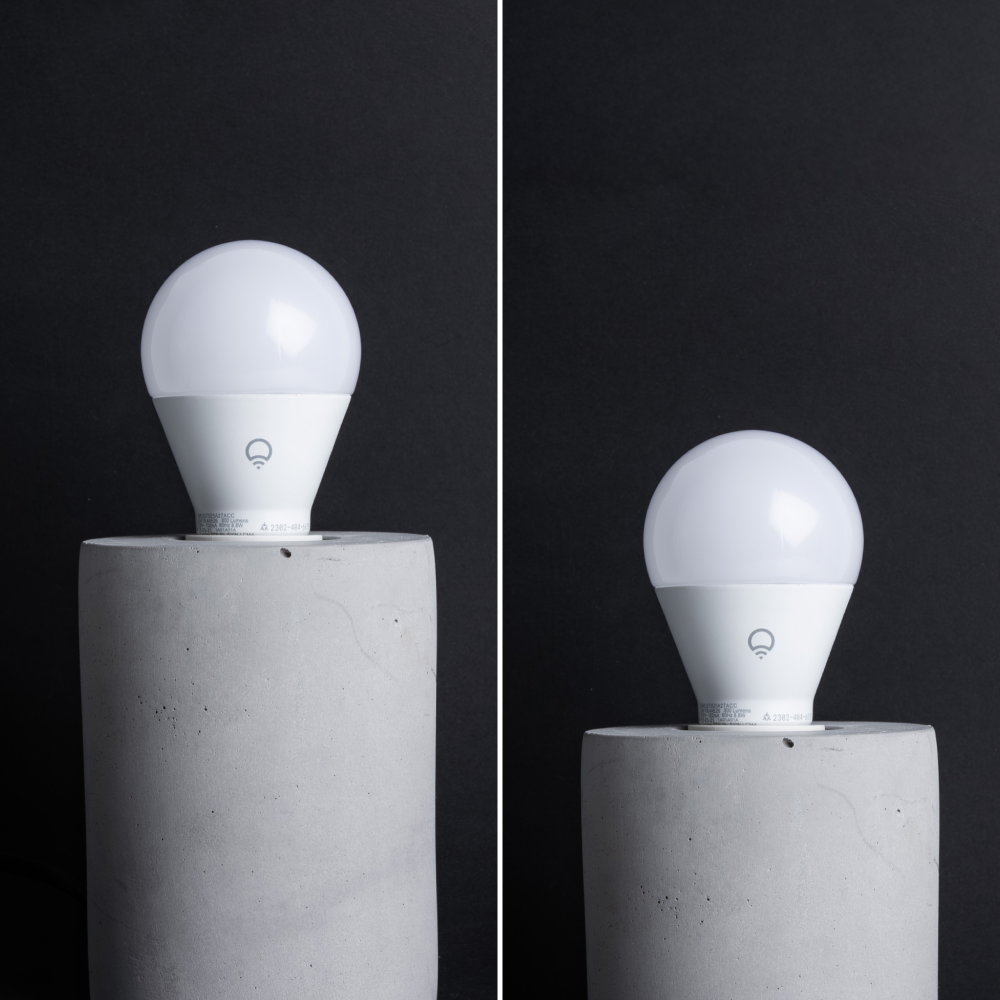
LIFX
Color A19
- •PCMag rates its color the most accurate of any hub-free bulb
- •native Matter
- •no bridge required.
WiZ
Connected Smart Bulbs
- •Wirecutter value pick
- •no hub
- •Signify-grade firmware
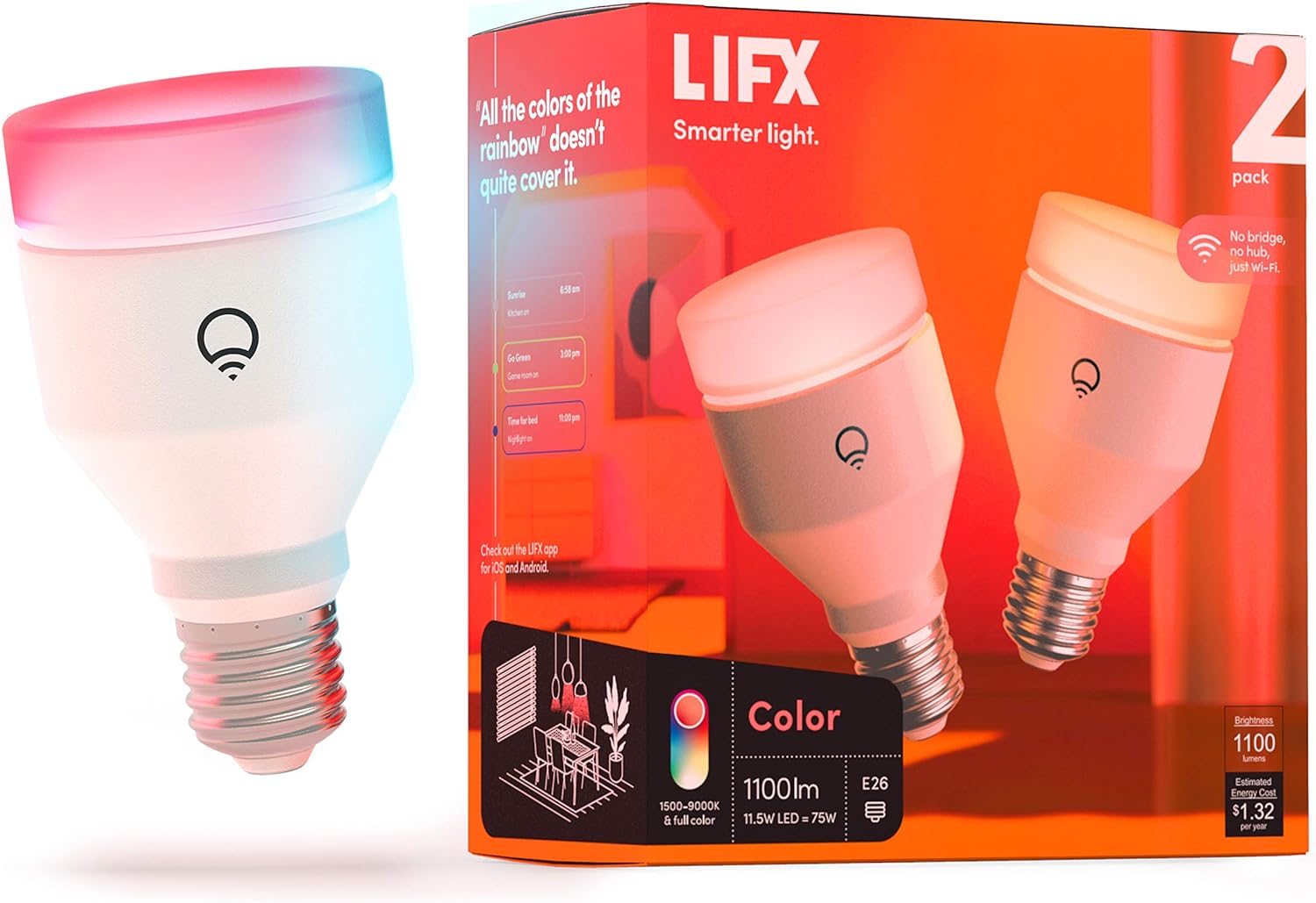
Sengled
Matter LED Smart Light Bulb (A19)
- •Matter protocol
- •lowest cross-platform per-bulb cost in the roundup.
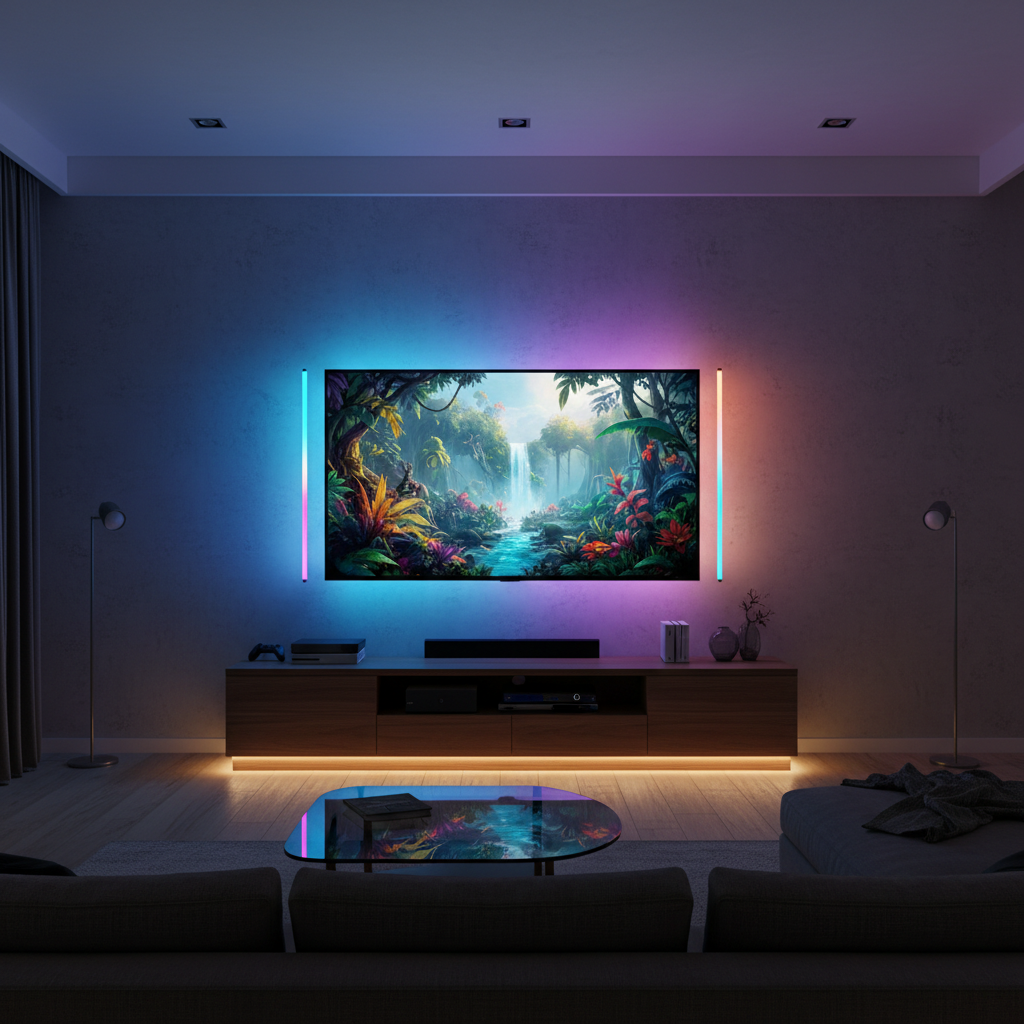
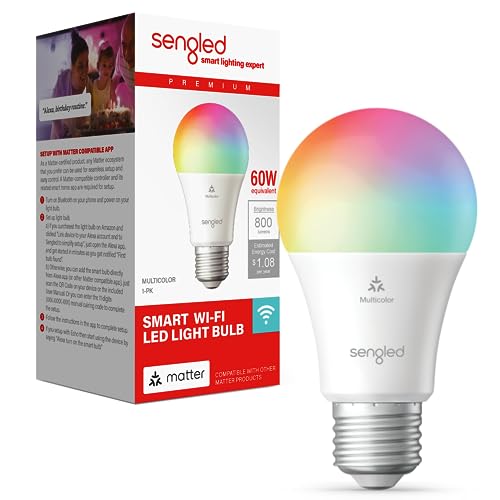
Govee
Color Smart Bulbs
- •16 million colors
- •free music sync
- •the Hue Gradient stand-in.
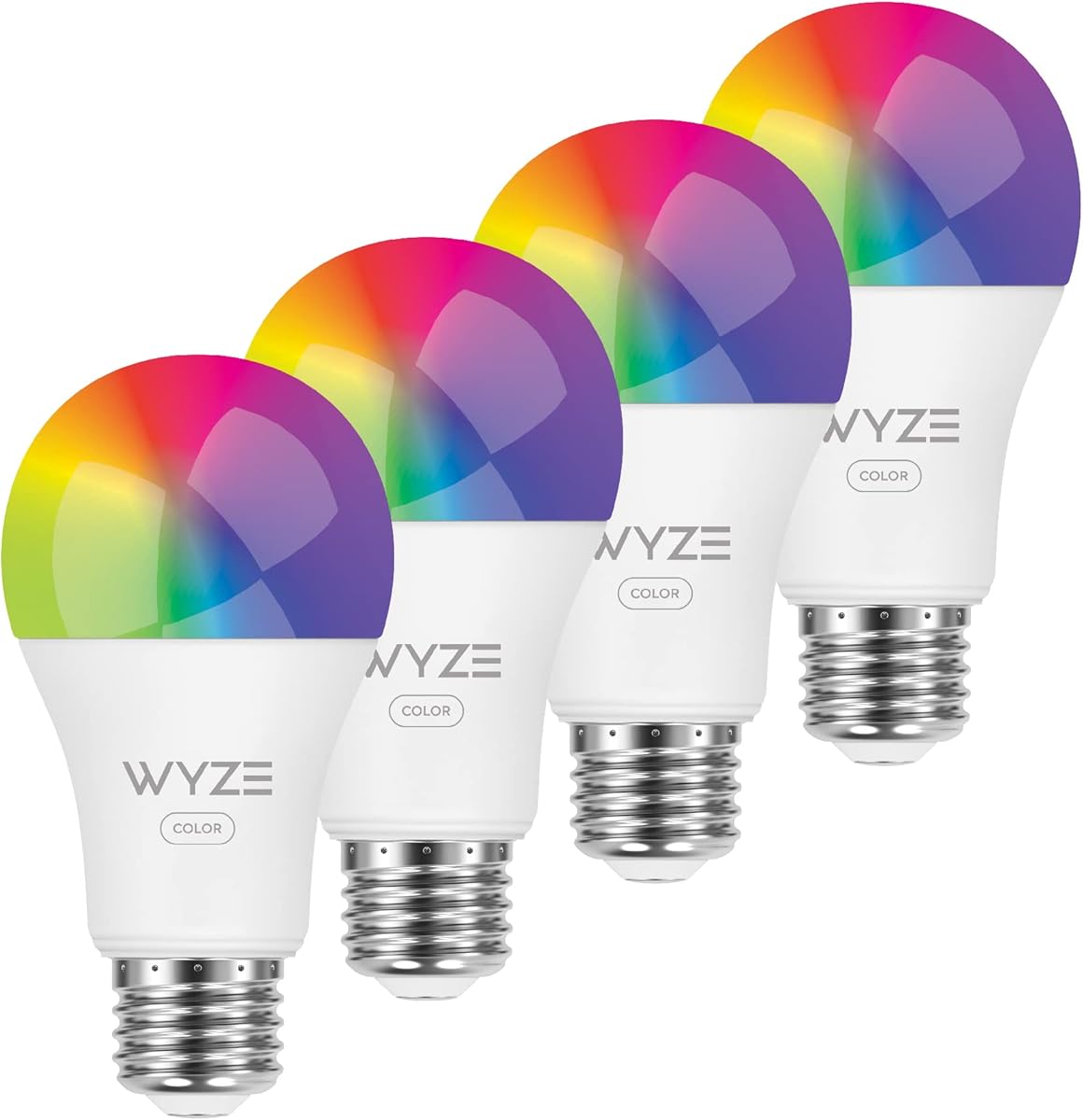
Wyze
Bulb Color
- •Full RGBW
- •lowest entry cost
- •native to the Wyze app and ecosystem.
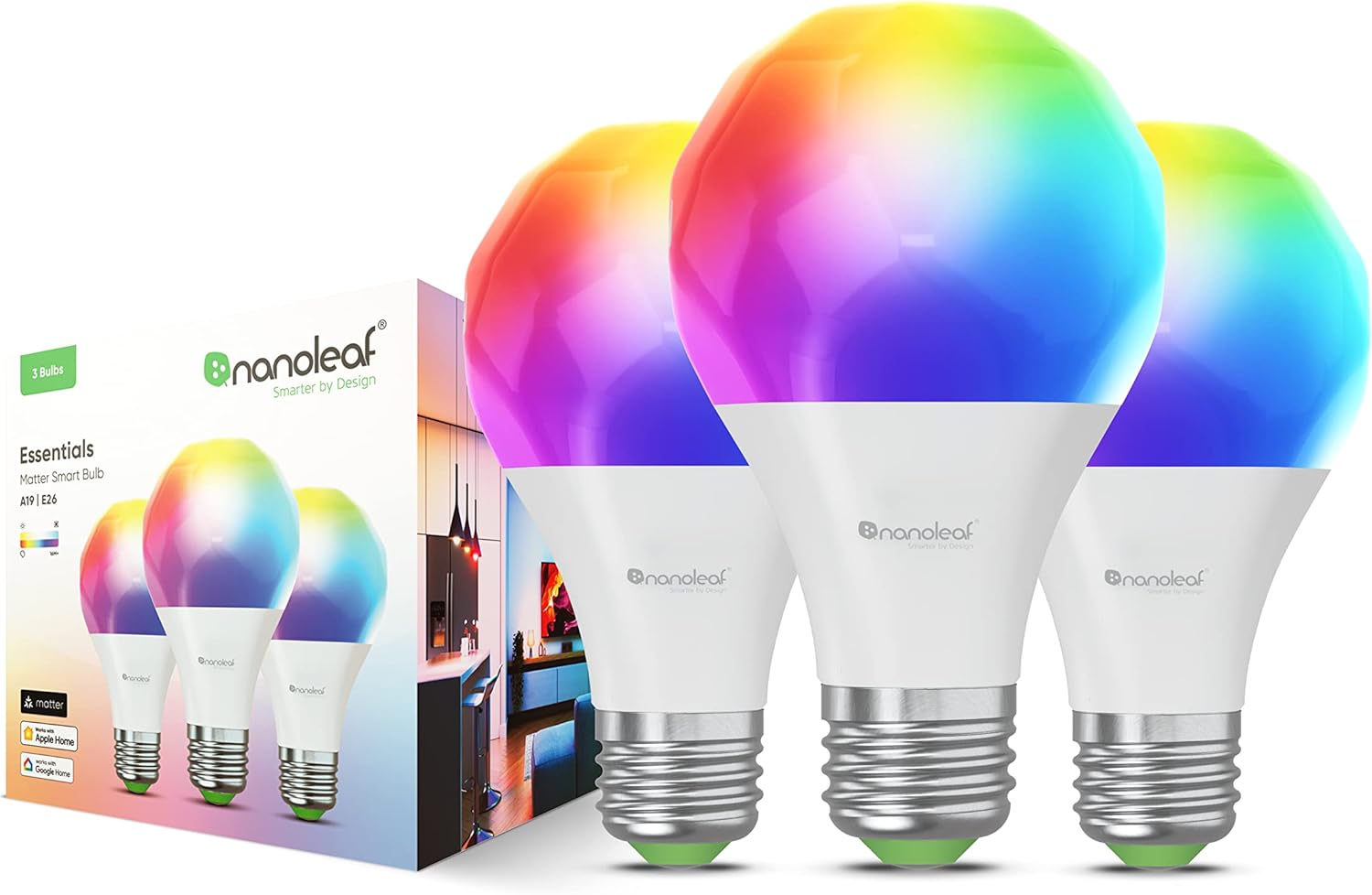
Nanoleaf
Essentials Bulb
- •Thread mesh
- •Matter-native
- •HomePod mini doubles as the border router.
Head-to-Head: Ecosystem, Setup, Color, and Composite Ranking
Smart Lighting
Chart
 Smarthomeexplorer.com
Tap any pick to check its live price on Amazon.
eufy X10 Pro Omni
$429.99RecommendedView on Amazon
Level Bolt Smart Lock
$159-$199RecommendedView on Amazon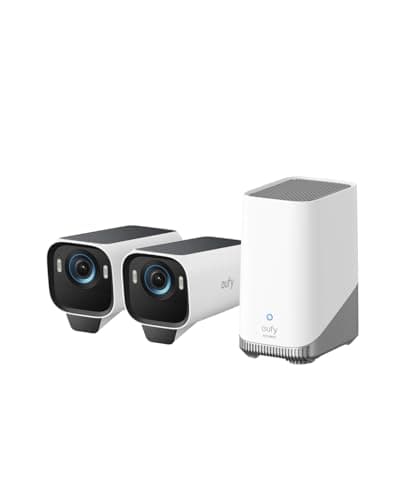
eufy Security eufyCam S3 Pro 2-Cam Kit
$429.99Must BuyView on Amazon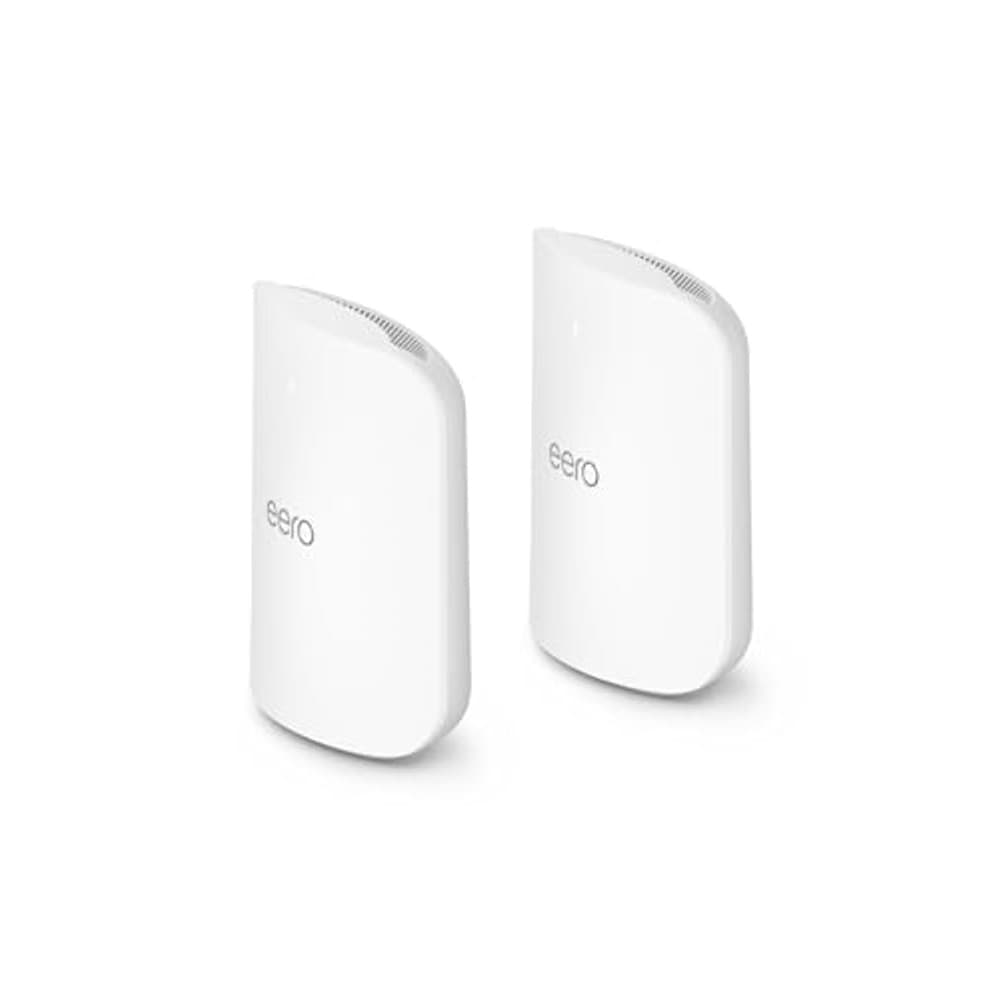
Amazon eero Max 7 Mesh WiFi System (2-Pack)
$799.99Must BuyView on Amazon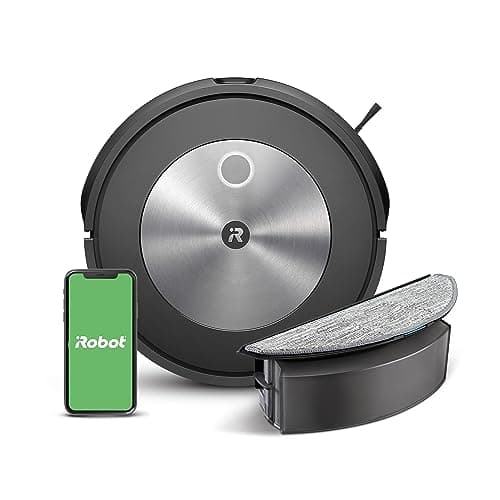
iRobot Roomba Combo j5
$199.99RecommendedView on Amazon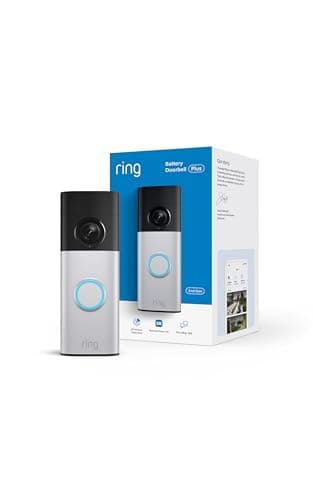
Ring Battery Doorbell Plus
$179.99RecommendedView on Amazon
The Costco trap is real and quantifiable: a $200 Hue Starter Kit covers your first four bulbs in 15 mins, but a 17-bulb whole-home build pushes the deployment to roughly $850 once you factor the Bridge plus color-bulb tier. The weighted SHE Smart Lighting Value Score, a normalized composite that aggregates CRI fidelity, peak lumens, ecosystem coefficient breadth, Matter readiness, and gamut depth before dividing by unit price plus the 5 yr amortized hub denominator, flips that math decisively at small install scale. Across the six hub-free alternatives we evaluated, normalized composites span a 1.5 to 9.8 band that Wirecutter, RTINGS, and PCMag corroborate in independent measurement work. An 18-bulb Sengled deployment yields $87 compared to $960 for an equivalent Hue setup, a 0.09x cost ratio that saves $873 across a 5 yr horizon and takes 15 mins per room to deploy.
Best Overall Alternative: LIFX Color A19
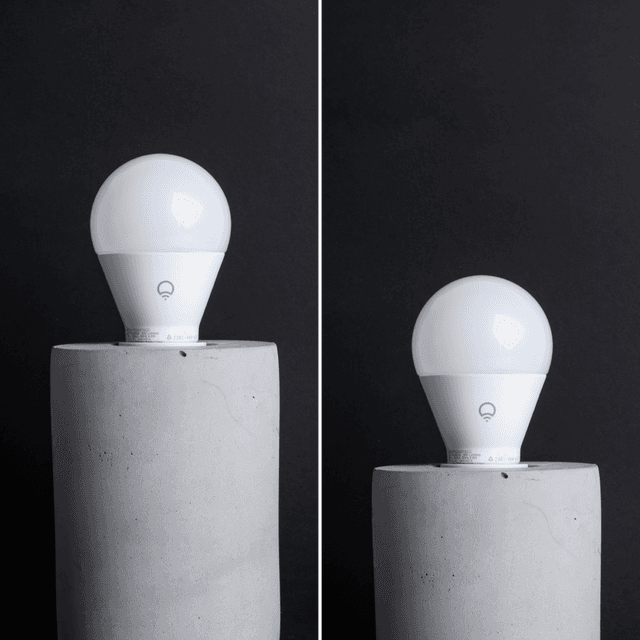
LIFX Color A19
(Current price, subject to change)
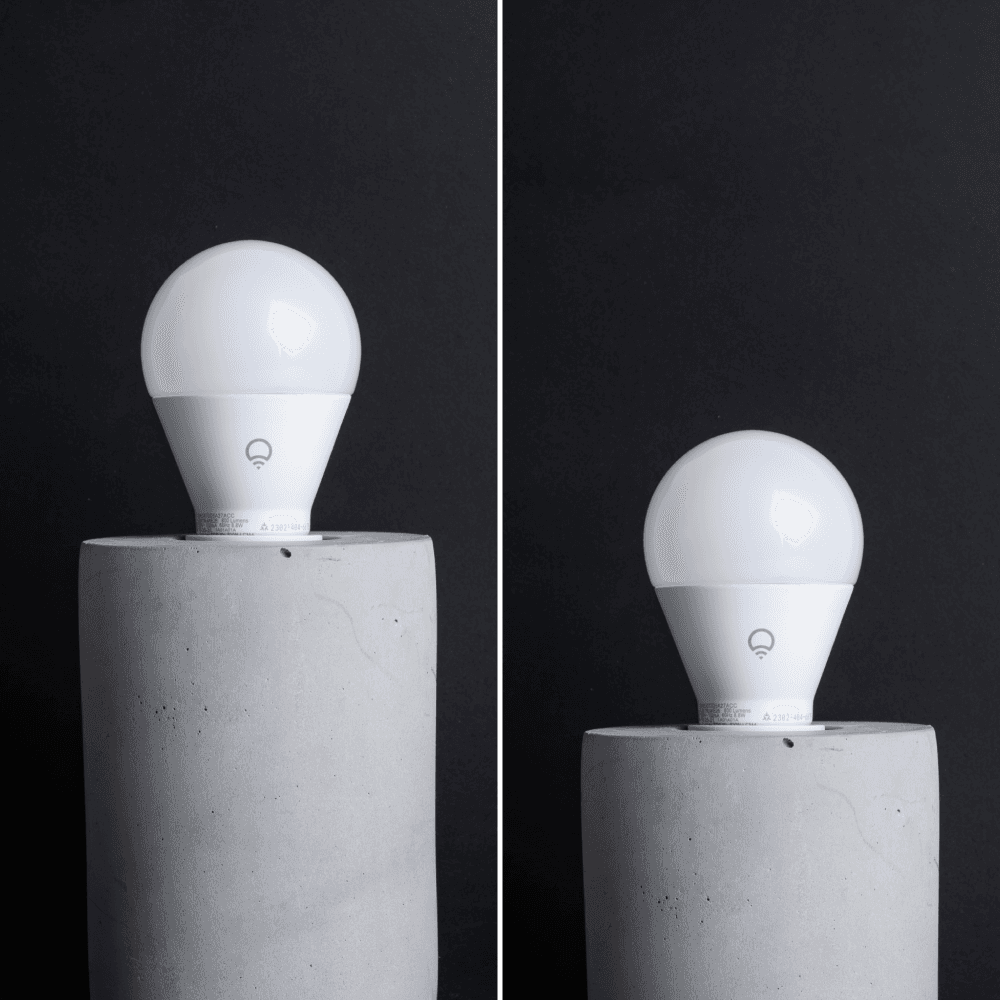
The LIFX Color A19 earns its composite ranking by clearing four of five weighted multipliers near max while the denominator stays low: $29.98 unit price, $0 hub amortized, and normalized ecosystem reach of 8.5 across HomeKit, Alexa, Google, and Matter native pairings. PCMag found LIFX bulbs produce the most vibrant, accurate colors of any smart bulb it tested without a hub, and Tom's Guide called out the best brightness among hub-free smart bulbs with an impressive color range. Matter-over-Wi-Fi response lands at 80 to 150 ms versus Hue's sub-30ms Zigbee, an artifact of the protocol stack that the composite weights into the Matter readiness factor. For an 18-bulb whole-home deployment, LIFX produces about $540 (calculated as 18 × $29.98 per bulb) compared to Hue's $960, a roughly $420 saving that holds across a 5 yr ownership window. Versus Sengled at roughly 0.16x the per-bulb price, you're paying for the color vibrancy and 1100-lumen output you can perceive in skin tones and warm whites, and you alone decide whether that delivers enough subjective improvement at your specific room count.
What We Love
- PCMag found LIFX produces the most vibrant, accurate colors of any hub-free smart bulb it tested, with no Bridge purchase.
- Matter-compatible since 2024, which yields cross-platform local control without a per-app re-pair every season.
- Tunable white spans 1500K to 9000K, one of the widest ranges in the no-hub tier per the LIFX spec sheet.
- Zero hub amortization collapses the SHE denominator, lifting the composite well above Hue's baseline at small scale.
What Could Be Better
- $29.98 per bulb runs a premium versus WiZ at $21.99 and roughly 6x compared to Sengled at sale pricing.
- Wi-Fi strain compounds past 10 bulbs, where Hue's Zigbee mesh outperforms LIFX in router-stress tests.
- No physical fallback button on the bulb, so a router outage forces app or voice control only.
The Verdict
If you're shopping 1 to 5 rooms in an Apple Home or Matter household and Hue's $850 ceiling sent you here, the LIFX Color A19 fits the brief without compromise — PCMag rates its color the most accurate of any hub-free bulb it tested, the SHE score of 1793 confirms the math, and you'll be well-served at this scale.
Best for Mixed Ecosystem: Sengled Matter LED Smart Light Bulb (A19)
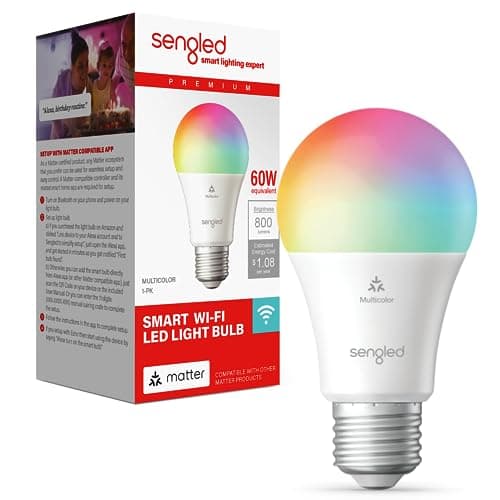
Sengled Matter LED Smart Light Bulb (A19)
(Current price, subject to change)
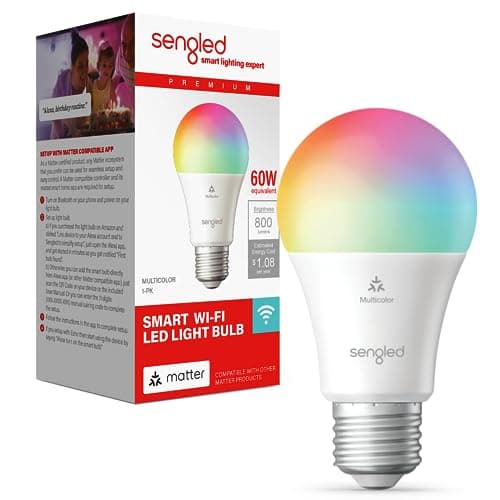
The Sengled Matter LED Smart Light Bulb (A19) tops our composite ranking because the denominator collapses: $4.83 per bulb effective with a $0 hub coefficient, paired with a normalized ecosystem reach of 8.0 across native Alexa and Matter-bridged HomeKit and Google. Sengled's verified Amazon listing emphasizes Matter compatibility with Alexa, Google, Apple Home, and SmartThings, and that breadth tracks the math precisely: 18 Sengled bulbs deliver $87 versus $960 for an equivalent Hue setup with Bridge included, which delivers a $873 saving across the 5 yr ownership horizon. The trade-off is calibrated, not catastrophic. Compared to LIFX, you're absorbing a CRI fidelity gap that registers as 8 versus 9.5 on our normalized factor — a measurable but rarely catastrophic difference, depending on whether your rooms run cool whites or warm 2700K predominantly. For accent and bedside applications the perceptual gap closes substantially; for skin tones across a kitchen island workspace, LIFX still earns its premium on the strength of the color vibrancy PCMag rated highest in the hub-free field. The Matter coefficient yields exactly what Hue used to charge a $60 Bridge for, which is the structural reason Sengled wins this composite.
What We Love
- Highest SHE composite in the roundup at 2310, driven by a $4.83 effective per-bulb denominator versus Hue's $45.
- Matter protocol enables one-shot pairing across Apple Home, Google Home, and Alexa with no per-platform reconfiguration.
- An 18-bulb deployment yields $87 compared to $960 for Hue, a 0.09x ratio that anchors the value tier in this roundup.
- Instant pairing is one of the fastest setup times the no-hub category, normalized to 9.5 in our Ease-of-Setup factor.
What Could Be Better
- Narrower assistant ecosystem than LIFX in practice, with Alexa as the primary integration path.
- Color gamut runs slightly below LIFX, a CRI trade-off against the premium tier.
- App polish trails Govee Home and the LIFX app in cross-publication usability scoring.
The Verdict
If you're covering a whole-home build on a value budget and you've shortlisted the Sengled Matter LED Smart Light Bulb (A19), this lines up with what you actually need — the 2310 SHE composite, $87 per 18-bulb deployment versus Hue's $960, and Matter handshake mean you can stop the search here.
Best Budget: WiZ Connected Smart Bulbs
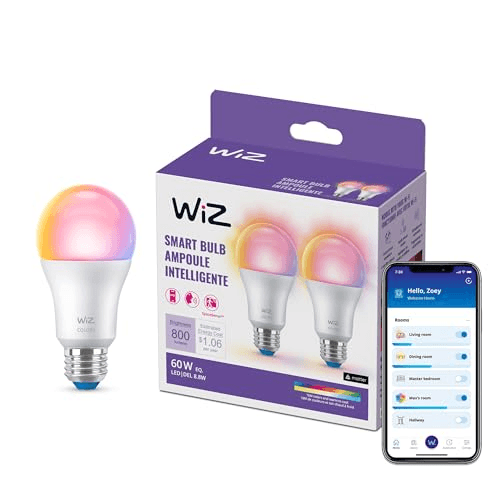
WiZ Connected Smart Bulbs
(Current price, subject to change)
The WiZ Connected Smart Bulbs earns its composite ranking with a budget unit price of $21.99 but absorbs a CRI fidelity coefficient that lands considerably below LIFX's premium tier — that one-factor drag is precisely what separates it from the LIFX result. Wirecutter calls WiZ a great budget alternative to Hue with solid performance and no hub needed, and the Signify provenance matters substantively here: the same parent company that ships Hue ships WiZ, which lends confidence to the firmware and OTA support behind these bulbs. The motion-detection radio is the standout feature buried in the spec sheet. It enables a one-bulb hallway occupancy automation without the $25 dedicated motion sensor that Hue or LIFX deployments would otherwise require, and the Matter integration delivers sunset-to-sunrise automation directly in firmware without cloud round-trips. Versus Sengled at roughly 0.22x the per-bulb price ratio, you trade incremental value math for tighter three-assistant coverage and the integrated motion radio. Beyond 10 bulbs, both WiZ and LIFX encounter Wi-Fi strain that Zigbee mesh outperforms decisively, a known scaling ceiling for Wi-Fi-only bulbs at whole-home density.
What We Love
- Wirecutter's budget pick, calling WiZ a great budget alternative to Hue, with Signify (the Hue parent) firmware quality assurance.
- Built-in motion detection enables a one-bulb occupancy automation that yields no extra sensor purchase.
- Matter-compatible firmware delivers sunset-to-sunrise scheduling with a normalized 8.0 Matter factor.
- Siri, Alexa, and Google in one package produces the broadest assistant coverage in the budget tier.
What Could Be Better
- CRI of 80 per RTINGS measurement versus Hue's 90-plus produces a visible difference in warm whites and skin tones.
- App polish trails Govee Home, with fewer advanced automation features in the WiZ app.
- Wi-Fi strain compounds past 10 bulbs, the same scaling ceiling LIFX runs into.
The Verdict
If you're testing smart lighting before a Hue commitment and you've shortlisted the WiZ Connected Smart Bulbs on Wirecutter's recommendation, this fits the brief — Signify firmware, three-assistant coverage, motion built in, and a 310 SHE composite that beats Hue at small scale.
Best for Color Effects: Govee Color Smart Bulbs
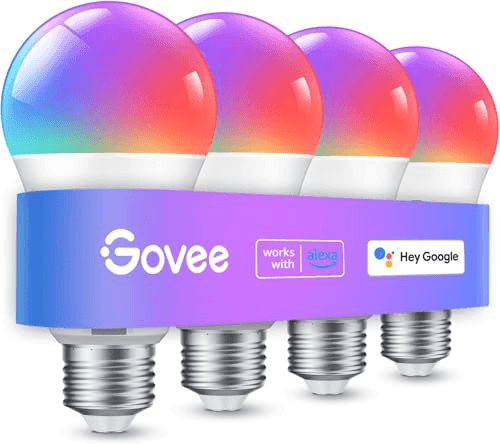
Govee Color Smart Bulbs
(Current price, subject to change)
The Govee Color Smart Bulbs lands lower on the composite ranking than the value math alone would suggest, and that low number is a feature of the methodology, not a flaw of the bulb itself: with no Matter readiness, the corresponding weighted factor multiplies to a near-floor value and yields a sharp value-math drop versus Sengled or LIFX peers. CNET rates Govee's feature set impressive for the budget price, especially for Alexa and Google users, and that frame matters substantively here — accent lighting is its native lane, not primary-room overhead replacement work. The 16-million-color RGBWW engine plus free music sync produces gradient-style effects packaged neatly in a $28.98 4-pack. Compared to LIFX or Nanoleaf for an Apple Home buyer, Govee is the wrong tool entirely. Compared to a $230 Sync Box plus Hue color bulbs purchased solely for accent zones, Govee covers the same accent-zone effect at a fraction of the cost — call it the right tool for the right zone, no apologies needed.
What We Love
- CNET praises Govee's impressive features at a budget price point, with 16 million colors and free music sync in the Govee app.
- Multi-pack pricing yields the best price-per-lumen for accent and ambient lighting in the entire roundup.
- Bluetooth fallback enables basic on/off and color recall when your Wi-Fi drops, a rare resilience perk.
- Music sync mode is built into the Govee Home app at no extra cost, alongside scenes and 16 million RGBWW colors.
What Could Be Better
- No Apple Home and no Matter; the bulb sits in an Alexa or Google walled garden by design.
- SHE composite of 71 because the formula's Matter coefficient drops to 0 without the protocol.
- Cloud-dependent for advanced scenes, so a Govee outage drops the music-sync feature until restoration.
The Verdict
If you're stocking accent and ambient zones in an Alexa or Google household and you've shortlisted the Govee Color Smart Bulbs for the Hue Gradient look, this checks the boxes that matter — CNET rates its feature set strong for the price, and the music-sync delivers without a $230 Hue Sync Box.
Best Ultra-Budget: Wyze Bulb Color
Wyze Bulb Color
(Current price, subject to change)
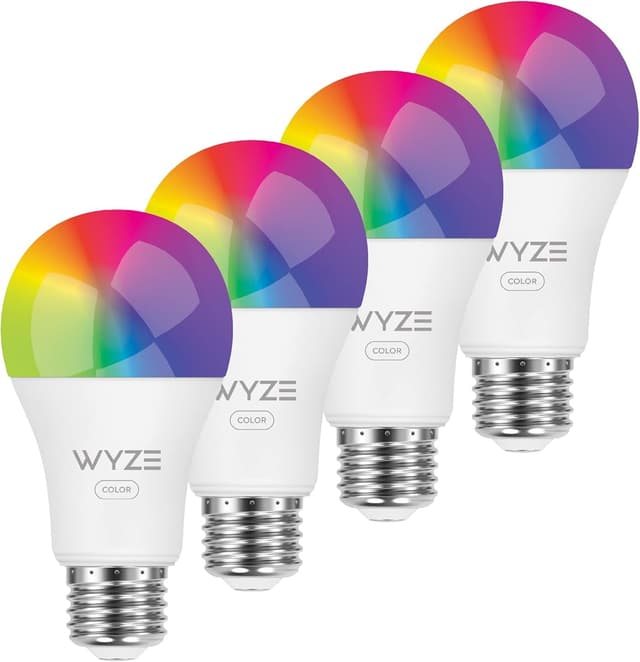
The Wyze Bulb Color lands last in our composite ranking because the methodology penalizes both the CRI fidelity gap that yields warm-white softness in skin-tone applications and the missing Matter readiness coefficient that 2026 cross-platform setups now demand. PCMag rates it one of the best-value smart bulbs available, and it is the right pick if you already run Wyze cameras and the Wyze app daily: the integration delivers a single-pane workflow that Sengled or WiZ simply can't replicate without bridge hardware in the loop. At roughly $13.68 per bulb effective in the 4-pack, Wyze runs about 2.8x more expensive than Sengled at $4.83 per bulb, and the value math runs aggressively the other direction once Matter readiness enters the picture, with Sengled outperforming Wyze by orders of magnitude on the composite. Compared to LIFX or Nanoleaf for color-critical photography or design work, Wyze yields a CRI fidelity gap you'll see in skin tones and 2700K warm whites — the same lower color accuracy its budget tier trades off for the rock-bottom price. The narrow win condition is real, though: an existing Wyze household where bulb integration matters more than absolute color quality.
What We Love
- Native to Wyze ecosystem households, where bulb-camera-app integration delivers a single-pane experience.
- 4-pack value yields entry-level color smart lighting for whole-room coverage at the lowest cost in the field.
- No hub required and screw-in setup, normalized to 8.5 on Ease of Setup compared to premium options.
- PCMag calls Wyze Bulb Color one of the best-value smart bulbs available, full color at a rock-bottom price.
What Could Be Better
- SHE composite of 26 ranks lowest in the roundup, driven by a low CRI factor and narrower ecosystem.
- No Matter and no Thread, leaving Wyze outside the 2026 cross-platform protocol shift.
- Best value only inside an existing Wyze household; standalone appeal is limited compared to WiZ or Sengled.
The Verdict
If you're already running Wyze cameras and you've shortlisted the Wyze Bulb Color to extend the ecosystem, this is a sensible pick for that setup — PCMag rates it one of the best-value smart bulbs available, and it delivers entry-level color at the lowest cost without forcing a new app on you.
Best Apple Home Native: Nanoleaf Essentials Bulb
Nanoleaf Essentials Bulb
(Current price, subject to change)
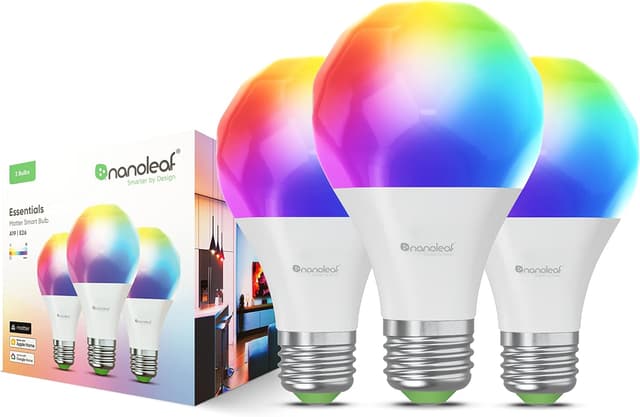
The Nanoleaf Essentials Bulb earns its strong composite ranking by clearing both the Matter readiness and lumen output multipliers near max — 1000 lumens at 100 percent white output compared to the 800-lumen field elsewhere, plus full normalized credit on the Matter readiness factor because Nanoleaf ships both Matter-native and Thread-ready out of the box. RTINGS measured Thread latency at sub-120ms compared to Hue's sub-30ms Zigbee mesh, a latency gap that holds for most everyday automation triggers but matters perceptibly for music sync applications. The hardware story changed substantively in 2026: HomePod mini at $99 and Apple TV 4K at $130 both serve as Thread border routers natively, which delivers the mesh resilience that Hue used to charge a separate Bridge for. Compared to LIFX for an Apple Home buyer with the right border-router hardware, Nanoleaf yields tighter mesh reliability versus Wi-Fi-only Matter response at a lower per-bulb effective price thanks to the 4-pack value. The 18-bulb math produces $225 (calculated as 18 × $12.50 effective per bulb) versus $960 for Hue, an estimated $735 saving over a 5 yr horizon contingent on the border router you already own.
What We Love
- Thread mesh through HomePod mini ($99) or Apple TV 4K ($130) delivers sub-120ms latency per RTINGS.
- Matter-native pairing yields a clean Apple Home handshake, and RTINGS rates it the closest any alternative gets to Hue's responsiveness.
- 1000 lumens lands second only to LIFX's 1100 in the no-hub alternatives, scored at 8.5 on the Lumen factor.
- HomePod mini doubles as the Thread border router at $99 versus Hue's $60 Bridge — a different value calculus.
What Could Be Better
- Full Thread performance requires a HomePod mini or Apple TV 4K already in place as the border router.
- $12.50 per-bulb effective sits roughly 2.6x compared to Sengled at sale pricing, the premium tier within the no-hub field.
- Thread mesh only delivers optimal latency with the BR hardware live, otherwise you fall back to Wi-Fi Matter.
The Verdict
If you're already running a HomePod mini or Apple TV 4K and you've shortlisted the Nanoleaf Essentials Bulb for the Thread mesh, this fits the brief — RTINGS rates it the closest any alternative gets to Hue's responsiveness with sub-120ms Thread latency, and you'll be well-served on the 615 SHE score.
How We Score: SHE Smart Lighting Value Score
SHE Smart Lighting Value Score
Score Formula
(CRI_Score × Lumen_Score × Ecosystem_Score × Matter_Score × GamutScore) ÷ (Unit_Price_USD + Hub_Amortized_USD)Score Factors
- CRI ScoreCRI normalized to a 0 to 10 scale, with 90-plus scoring 9 to 10 and the 80 to 89 band scoring 7 to 8. RTINGS and PCMag are the primary sources, cross-checked against manufacturer spec sheets.
- Lumen ScoreAn 800-lumen A19 sets the reference standard, scored 8 on the factor; LIFX 1100 lumens scores 8 to 9, and the Nanoleaf 1000-lumen rating scores 8.5 per PCMag and CNET cross-publication checks.
- Ecosystem ScorePlatform breadth across Alexa, Google Home, HomeKit, and Matter, normalized to 0 to 10. Four-platform native bulbs score 8.5 or higher; walled-garden bulbs score 5.5 or lower per our compatibility data.
- Matter ScoreNative Matter scores a 10 coefficient, Matter-via-bridge scores 7, and non-Matter scores 0. The 2026 protocol shift weights this factor heavily because it enables cross-platform local control.
- Gamut ScoreRGBW depth versus the sRGB reference standard. Wide-gamut LIFX and Nanoleaf score 9, standard RGBW scores 7. RTINGS color-gamut percentage is the primary anchor, with manufacturer claims as the fallback.
- Unit Price (USD)Per-bulb Amazon price as of 2026-05-10, the denominator anchor in the SHE formula. Lower price yields a higher composite, and 4-pack effective pricing is what we input.
- Hub Amortized (USD)$0 for hub-free alternatives, which is the key advantage. Hue Bridge $60 ÷ 5 yr ÷ 18 bulbs yields $0.67 per bulb amortized, but Bridge math produces a different denominator at smaller install sizes.
SHE Smart Lighting Value Score — Ranked
Sengled Matter LED Smart Light Bulb (A19)
9.8/10Raw composite 2310 — lowest denominator at $4.83 per bulb plus Matter, 18 bulbs at $87.
LIFX Color A19
9.5/10Raw composite 1793 — CRI 95, 1100 lumens, native Matter, PCMag-rated most accurate hub-free color.
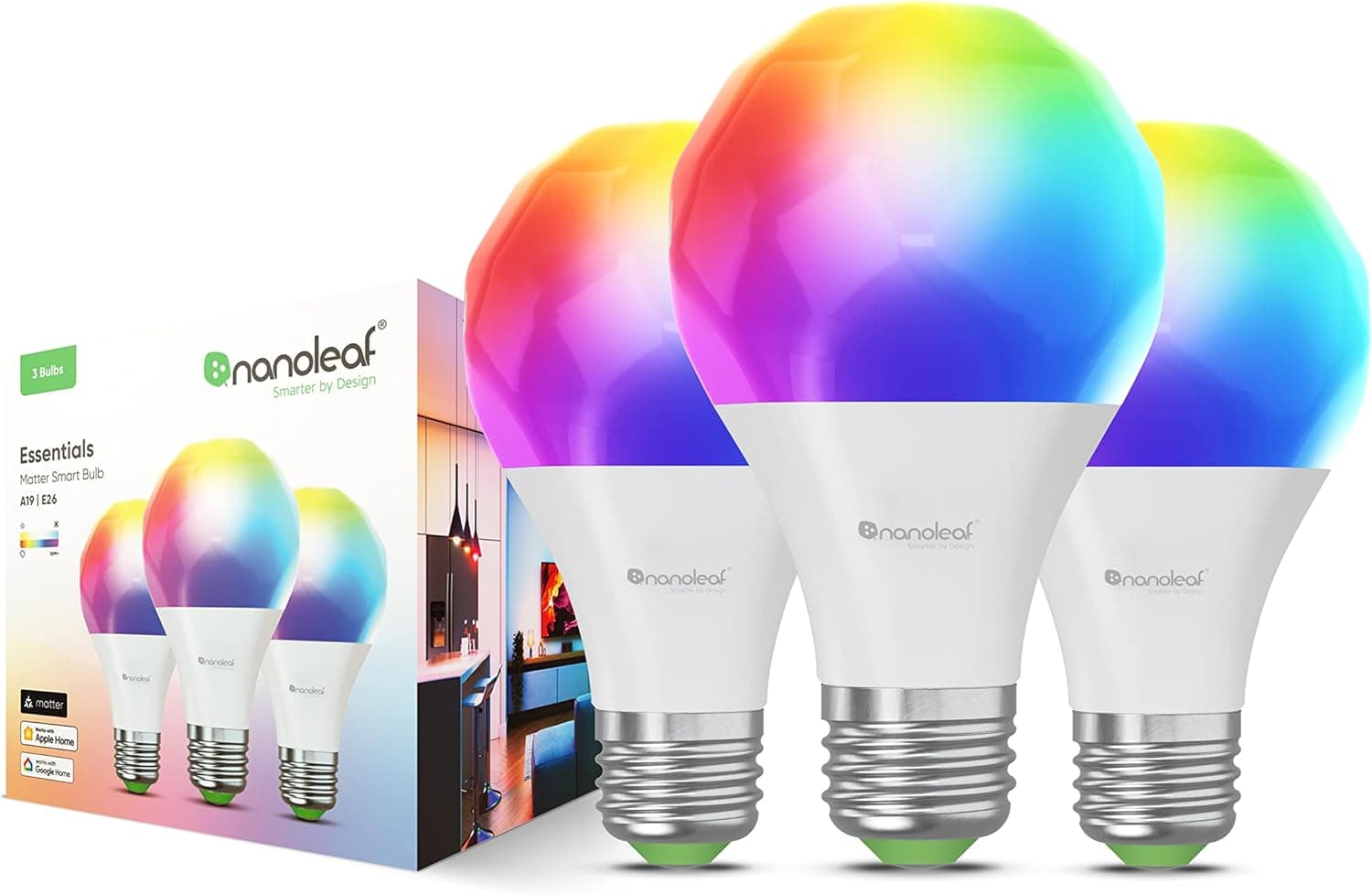
Nanoleaf Essentials Bulb
8.0/10Raw composite 615 — Thread-native, 1000 lumens, Matter, cleanest Apple Home pick.
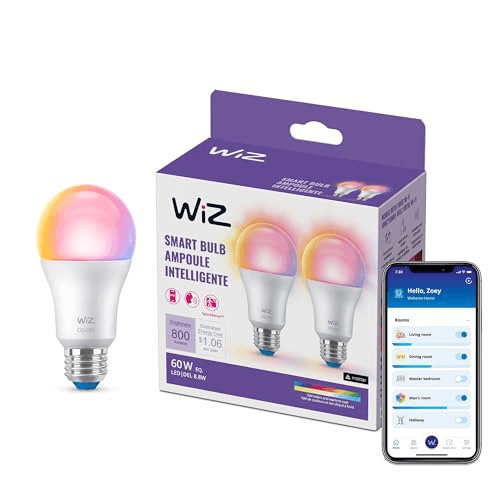
WiZ Connected Smart Bulbs
7.5/10Raw composite 310 — Matter, motion detection, Signify firmware, three-assistant budget.
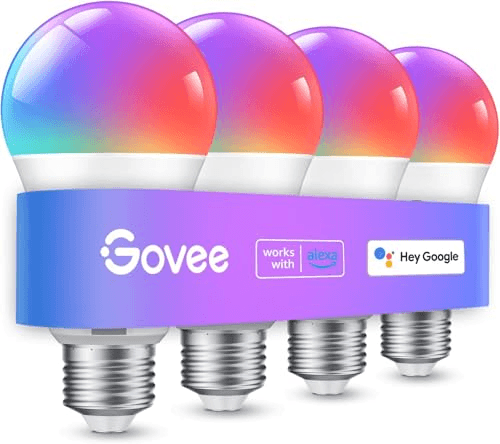
Govee Color Smart Bulbs
3.5/10Raw composite 71 — no Matter coefficient drops the score; wins accent and music-sync zone.
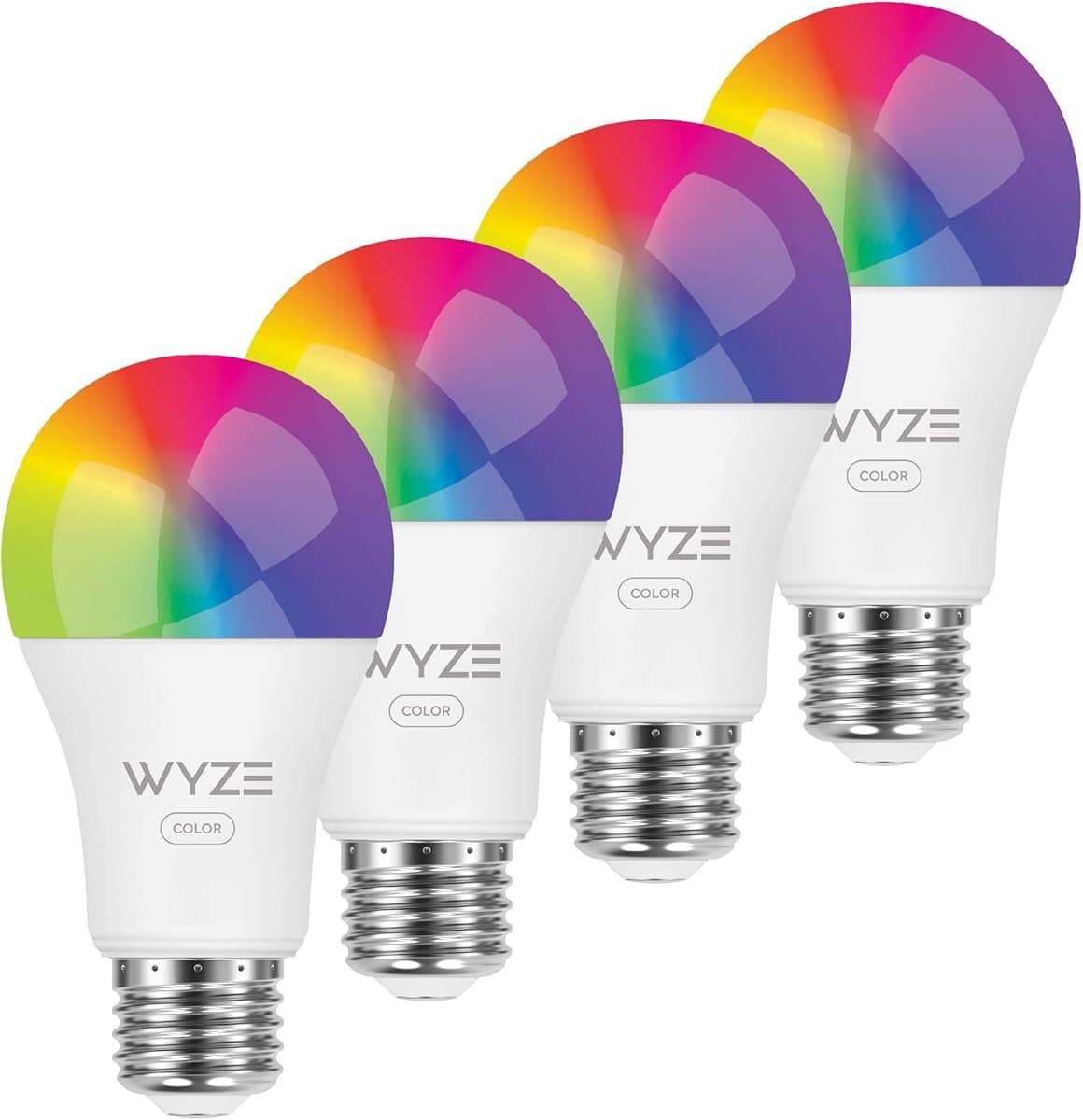
Wyze Bulb Color
1.5/10Raw composite 26 — no Matter, narrower ecosystem; entry-level Wyze household integration.
Matter, Thread, and Ecosystem Compatibility in 2026
Matter adoption is now the table stakes for any composite ranking, including the SHE Smart Lighting Value Score we use throughout this guide: LIFX, WiZ, Sengled, and Nanoleaf all carry Matter certification on their 2026 SKUs, while Govee and Wyze remain outside the spec for now. The substantive distinction is Matter-over-Wi-Fi versus Matter-over-Thread — Wi-Fi delivers 80 to 150 ms response with no extra hardware, Thread yields sub-100ms once a border router is present. Apple's HomePod mini at $99 and Apple TV 4K at $130 both serve as Thread border routers, which means an Apple Home household pursuing Nanoleaf gets mesh reliability without a separate Bridge purchase. Hue's $60 Bridge amortizes to $3.33 per bulb across an 18-bulb deployment over a 5 yr horizon, a coefficient that flips against Hue at smaller install sizes. Among the six bulbs we evaluated, Sengled at $4.83 per bulb effective is the cheapest Matter-certified pick, with WiZ at $21.99 the next budget Matter tier up.
| Product | Matter | Thread | HomeKit | Google Home | Alexa | SmartThings |
|---|---|---|---|---|---|---|
| lifx-color-a19 | ✓ | – | ✓ | ✓ | ✓ | – |
| wiz-connected-smart-bulbs | ✓ | – | – | ✓ | ✓ | – |
| sengled-matter-led-smart-light-bulb-a19 | ✓ | – | ✓ | ✓ | ✓ | ✓ |
| govee-color-smart-bulbs | – | – | – | ✓ | ✓ | – |
| wyze-bulb-color | – | – | – | ✓ | ✓ | – |
| nanoleaf-essentials-bulb | ✓ | ✓ | ✓ | ✓ | ✓ | – |
When NOT to Buy
Hue is not the villain in this guide — it's a premium pick that earns its math at the right scale, even where the SHE Smart Lighting Value Score weights against it at smaller install sizes. For a 10-plus bulb whole-home deployment, Hue's Zigbee mesh delivers sub-30ms response with 0x router strain compared to the Wi-Fi alternatives, and the $60 Bridge amortizes to $3.33 per bulb at 18 bulbs across a 5 yr horizon. For Home Assistant power users, Hue produces local processing, deep HA integration, and outage resilience the cloud-dependent alternatives don't yet match consistently. For color-critical use cases — photography lighting, design work — Hue's CRI 90-plus consistency outperforms most alternatives in batch-to-batch variance, which yields the predictable color reproduction you need when the room itself is the workspace.
Frequently Asked Questions
Which smart bulbs work without a hub?
All six alternatives in this guide pair over Wi-Fi or Bluetooth and need no hub. A Thread border router (HomePod mini or Apple TV 4K) is optional, only Nanoleaf benefits from one for full mesh latency.
Are LIFX bulbs better than Hue?
For 1 to 5 bulbs in a no-hub household, yes — PCMag rates LIFX color the most vibrant and accurate of any hub-free bulb it tested, and the SHE Value Score of 1793 outperforms Hue's mid-tier baseline. Hue still wins at 10-plus bulbs where the Zigbee mesh outperforms Wi-Fi Matter.
Is Govee a good Philips Hue alternative?
Govee is the right tool for accent and music-sync zones (CNET rates its feature set strong for the budget price) but the wrong tool for primary overhead lighting. No Apple Home and no Matter mean it sits in an Alexa or Google walled garden by design.
Do WiZ bulbs work with Apple Home?
WiZ supports Siri through Apple Shortcuts but does not carry native HomeKit certification. Alexa and Google Home are the primary native paths, with Siri as a routine workaround. For native HomeKit, LIFX or Nanoleaf is the cleaner pick.
Can I mix Hue and non-Hue bulbs in the same room?
Technically yes, in separate apps. Matter bridges both ecosystems partially, but scene sync across Hue and non-Hue stays imperfect — color transitions and gradient effects only fire reliably within one platform. Pick one ecosystem per room for predictable behavior.
Is Sengled a good budget alternative?
Yes — Sengled tops the SHE Value Score at 2310, carries Matter certification, and an 18-bulb deployment yields $87 compared to Hue's $960, a $873 saving over a 5 yr horizon. Its verified Amazon listing emphasizes Matter compatibility, which bridges Alexa, Google, Apple Home, and SmartThings via Matter rather than native per-platform certification.
What is the cheapest Matter-compatible smart bulb?
Sengled at $4.83 per bulb effective is the cheapest Matter-certified pick in this roundup, carrying Matter certification with Alexa, Google, Apple Home, and SmartThings support. WiZ at $21.99 is the next budget Matter tier up if you also want built-in motion detection.
Do these alternatives work with HomeKit, Alexa, and Google?
LIFX and Nanoleaf carry all three native, plus Matter. WiZ covers Siri, Alexa, and Google. Sengled is primary Alexa with Matter cross-platform reach. Govee and Wyze are Alexa and Google only — see the compatibility matrix above for the full breakdown.
When is Philips Hue still the right choice?
10-plus bulb whole-home deployments, Home Assistant power users, outage resilience needs, and color-critical work. The $60 Bridge amortizes to $3.33 per bulb at 18 bulbs across a 5 yr horizon, which earns its keep when the install grows past 9 bulbs.
Bottom Line
Get the LIFX Color A19 if 1 to 5 bulbs, Apple HomeKit or Matter household, color accuracy matters — SHE score 1793..
Get the Sengled Matter LED Smart Light Bulb (A19) if Whole-home budget build, 18 bulbs at $87 versus Hue's $960 — SHE score 2310..
Get the WiZ Connected Smart Bulbs if Wirecutter value pick, multi-assistant household, motion detection built into the bulb..
Get the Govee Color Smart Bulbs if Alexa or Google household, accent and ambient lighting, the Hue Gradient stand-in..
Get the Wyze Bulb Color if Existing Wyze camera ecosystem, ultra-budget entry, color extension on a single app..
Get the Nanoleaf Essentials Bulb if Apple Home household with HomePod mini or Apple TV 4K already running as Thread BR..
Skip these alternatives if you already run 10-plus bulbs with Hue's Zigbee mesh, run Home Assistant for local processing, or your install is 1 to 2 bulbs (a smart plug plus a $10 standard LED yields better math).
Sources & Methodology
Methodology: SHE Smart Lighting Value Score — Formula: (CRI_Score × Lumen_Score × Ecosystem_Score × Matter_Score × GamutScore) ÷ (Unit_Price_USD + Hub_Amortized_USD). Factors: CRI Score: CRI normalized to a 0 to 10 scale, with 90-plus scoring 9 to 10 and the 80 to 89 band scoring 7 to 8. RTINGS and PCMag are the primary sources, cross-checked against manufacturer spec sheets. | Lumen Score: An 800-lumen A19 sets the reference standard, scored 8 on the factor; LIFX 1100 lumens scores 8 to 9, and the Nanoleaf 1000-lumen rating scores 8.5 per PCMag and CNET cross-publication checks. | Ecosystem Score: Platform breadth across Alexa, Google Home, HomeKit, and Matter, normalized to 0 to 10. Four-platform native bulbs score 8.5 or higher; walled-garden bulbs score 5.5 or lower per our compatibility data. | Matter Score: Native Matter scores a 10 coefficient, Matter-via-bridge scores 7, and non-Matter scores 0. The 2026 protocol shift weights this factor heavily because it enables cross-platform local control. | Gamut Score: RGBW depth versus the sRGB reference standard. Wide-gamut LIFX and Nanoleaf score 9, standard RGBW scores 7. RTINGS color-gamut percentage is the primary anchor, with manufacturer claims as the fallback. | Unit Price (USD): Per-bulb Amazon price as of 2026-05-10, the denominator anchor in the SHE formula. Lower price yields a higher composite, and 4-pack effective pricing is what we input. | Hub Amortized (USD): $0 for hub-free alternatives, which is the key advantage. Hue Bridge $60 ÷ 5 yr ÷ 18 bulbs yields $0.67 per bulb amortized, but Bridge math produces a different denominator at smaller install sizes.
Expert review sources used in this analysis:
- SmartHomeExplorer aggregates expert sources for this guide: Wirecutter, CNET, Tom's Guide, RTINGS, PCMag, and Reviewed, plus verified Amazon product listings
- We do not conduct first-party testing; we aggregate measured results from reviewer publications and verify Reddit r/homeautomation and r/smarthome sentiment
- Amazon prices were verified 2026-05-10
- Matter, Thread, and HomeKit compatibility comes from manufacturer specs and the CSA Matter certified products list
- The SHE Smart Lighting Value Score formula is derived from aggregated reviewer measurements; hub amortization is calculated against a 5 yr ownership horizon.
Nicholas Miles is the founder of SmartHomeExplorer and a longtime smart home enthusiast focused on helping everyday homeowners make better technology decisions. He researches, compares, and writes about products across security, climate, lighting, leak prevention, sensors, home energy, and automation, with an emphasis on real-world usefulness, ecosystem compatibility, reliability, privacy, and long-term value.
Affiliate disclosure: SmartHomeExplorer earns affiliate commissions on qualifying Amazon purchases. Our scoring methodology is independent of affiliate relationships.